
What Happened to the Mid-Tier Luxury Watch?
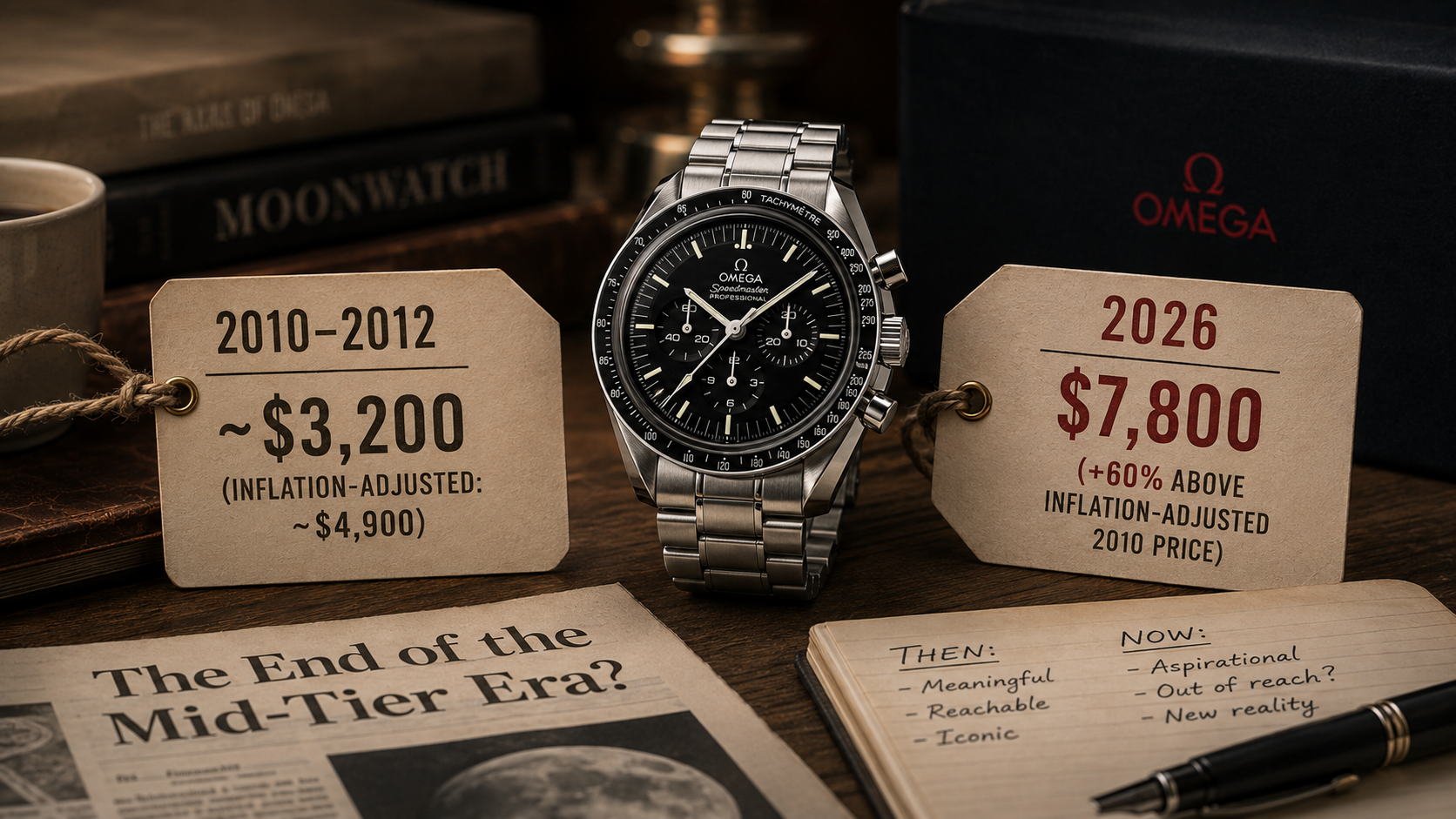
It’s becoming increasingly tough to find a great timepiece in the $2,000-$4,000 range.
Picture yourself in 2010.
Obama is in the White House. The Strait of Hormuz is open. Louis C.K. hasn’t been canceled (and then un-canceled) yet. Donald Trump is best known to most Americans for tasteless casinos and The Apprentice. Ahh — simpler times!
But we’re here to talk about watches. So picture yourself more specifically in a watch boutique. You have $2,000-$4,000 to spend — a meaningful amount saved up from a recent bonus perhaps, or accumulated through painstaking work during a year on your first job in NYC. It’s enough, you know, you buy yourself a serious Swiss-made watch. Maybe not a Rolex — and certainly not a Patek Philippe — but a piece with real pedigree, high-end mechanics, and name recognition. Something like, say, an Omega Speedmaster.
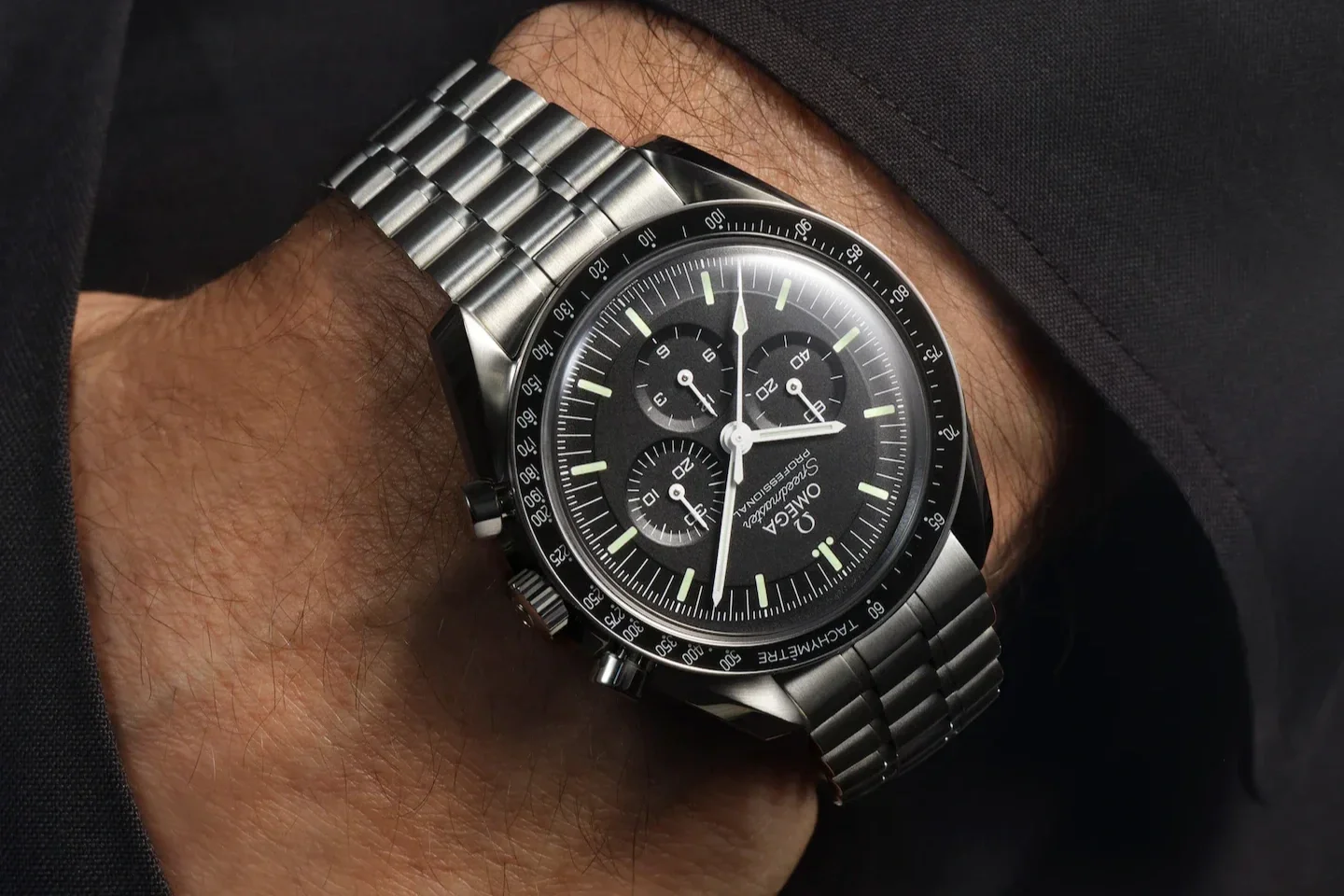
You see, back in, say, 2010-2012, a Speedmaster Professional would’ve cost you roughly $3,100-$3,600 depending upon several factors. (Specific year, configuration, etc.) Imagine that: a timeless watch model that went to the Moon, produced by a luxury brand owned by a large conglomerate, was available to you for well under $5K! And it wasn’t just the Moonwatch that existed in this price bracket: during those years, you could also nab an IWC Mark XVI/XVII for roughly the same price, or a Breitling SuperOcean dive watch, or a TAG Heuer Carrera automatic chronograph. Heck, even a basic Panerai Luminor cost under $4,000.

Today? Get outta town. Even when adjusted for inflation, that Speedy sticker price is equivalent to roughly $4,900…but the actual base price of a new Speedy is roughly $7,800 — 60% more expensive than the watch’s inflation-adjusted 2010-2012 price. Meanwhile, a new Carrera Chronograph will set you back at least $6,800 on a bracelet, while a modern Breitling SuperOcean is $5,700 on rubber. All of which begs the question…
Where have all the mid-tier luxury watches gone?
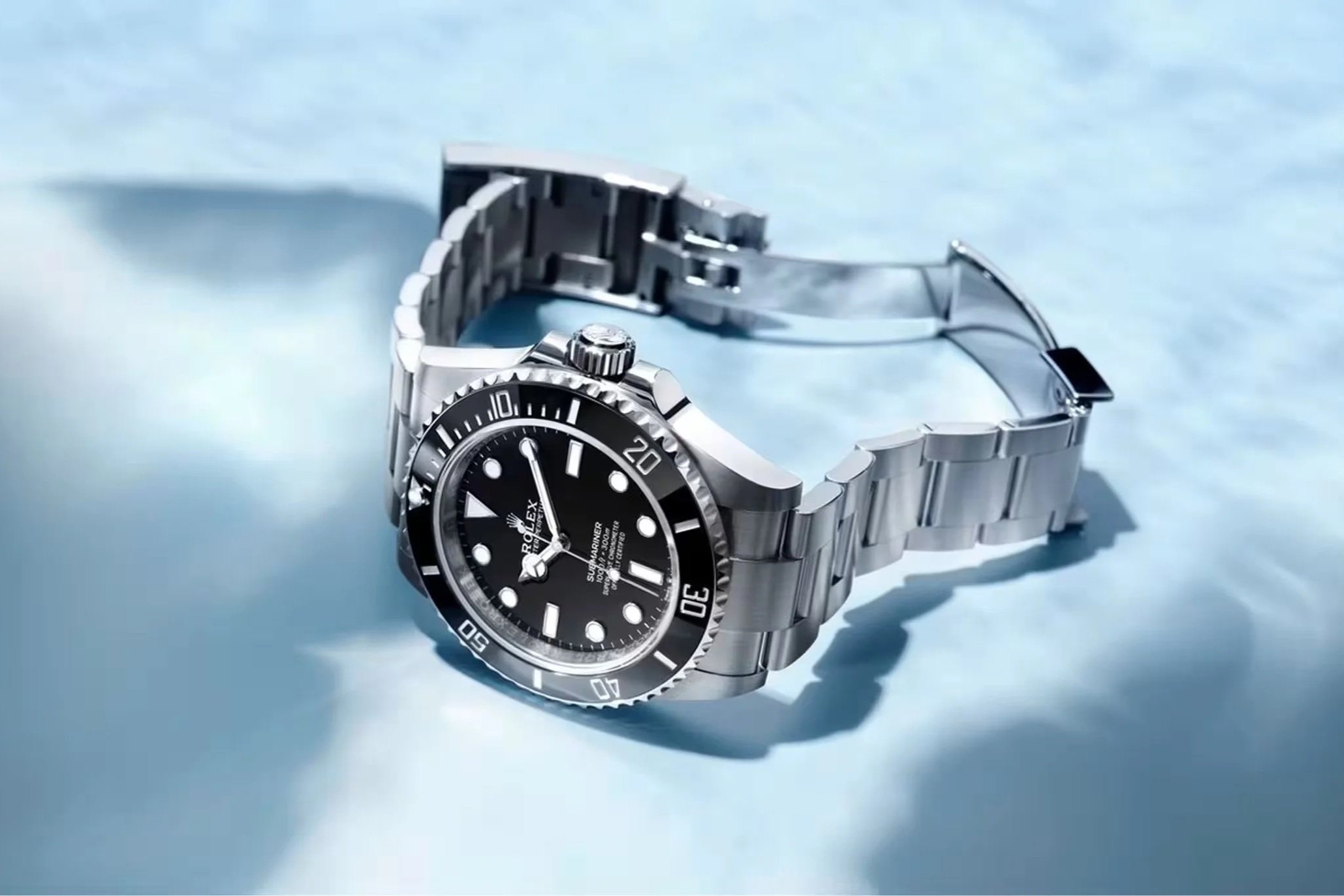
There’s no denying that watches are simply objectively more expensive today than they’ve been in past decades: the explosion of the collecting hobby, increasing precious metal prices, tariffs, and a host of other factors has made it so. Meanwhile, many brands that used to compete happily in the mid-tier have taken a clue from companies such as Rolex and continued the move upmarket. (A new Submariner Date in the early 2000s cost roughly $4,000, or the inflation-adjusted equivalent of $6,800-$7,000 today. But a contemporary Submariner Date in 2026 retails for roughly $11,000…again, a 60% increase above the inflation-adjusted price for the same model.)
With Omega, Cartier, IWC, Grand Seiko, and even Tudor exiting the mid-tier segment for more expensive climes, this leaves brands such as Longines, Oris, NOMOS, and others. To be fair, each of these is a strong company that makes excellent watches, with NOMOS particularly beloved by collectors for its in-house calibers and Bauhaus-inspired designs. But if you’re someone who has his or her eyes set on a classic model from a luxury brand — you’re gonna have a much harder time finding your watch. (At least within this price category.) This leaves you with several options: do you a) spring for a perfectly lovely watch — a Longines Hydroconquest diver for $2,200, say, or a NOMOS Club Campus 38 dress watch for $2,070 — that scratches a horological itch but isn’t your dream watch, or do you b) save up another several-thousand bucks for the classic model on which you’ve set your sights?
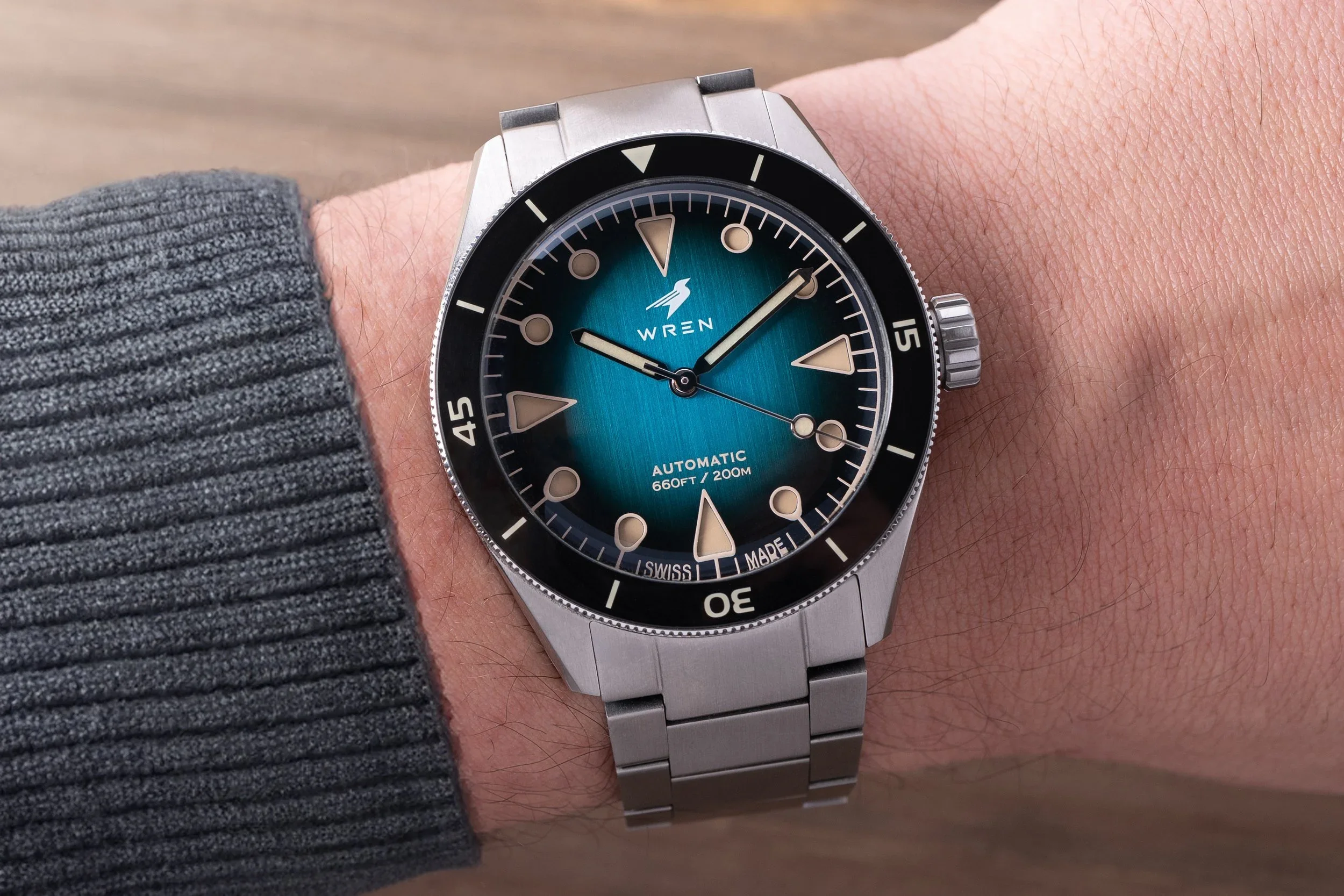
Maybe you take option c), which is to realize that there’s an infinitely wider playing field of compelling models available in the sub-$2,000 range. In this case, you could attend Worn & Wound’s WindUp Watch Fair, or the Intersect watch fair out in Long Beach, and pick from one of cool designs presented by the myriad presenting microbrands — many of which use Swiss-made movements despite producing their cases and dials in Asia. Then, you could take the extra $1,000 savings and fuel a year’s worth of Starbucks lattés. (Or whatever.) After all, we’ve probably never been in a better time for entry-level, ~$1K watches…which, frankly, makes the weakness of the mid-tier luxury market feel even stranger by comparison.
In the end, market dynamics care not a whit for your financial considerations: if there are sufficient buyers with disposable income to support $8,000 and $9,000 Speedmasters, then Omega will price its wares accordingly. What we witnessed in the years spanning the rise of blogs like HODINKEE and the post-COVID present was, to be sure, the end of an era: the death knell of a time before watches transitioned from a vestigial technological anomaly to a full-blown status symbol — and, to some extent, an asset class. For those who didn’t get in while the getting was good — saving up those first $3,000 and buying a genuine classic — you’ll have to recalibrate your pricing expectations. Great watches are still out there, dear friends: they’re just going to cost you more.
(Or way less, depending upon how you see it.)