
Are Watch Waitlists a Scam? An Enthusiast’s Honest Take
I’m just going to say it: most watch waitlists are not a real list. There’s no clipboard. There’s no fair little queue where your name inches up while you wait your turn like a decent person at the deli counter. You know it. I know it. The salesperson smiling at you across the glass counter absolutely knows it. And yet we all keep performing this elaborate piece of theater where a “waitlist” is a solemn, orderly thing, and if you’re just patient and loyal enough, your steel sports watch will arrive in the fullness of time.
It won’t. Or it might. And the maddening part is that the difference between those two outcomes often has almost nothing to do with the list.
So let me be a little more precise, because I don’t actually think the whole system is a con. That’s the lazy take. The honest take is messier: waitlists are real in the sense that demand genuinely outstrips supply, and they’re a scam in the sense that the word “list” implies an ordering that mostly doesn’t exist. Let me explain what I mean, and then let me tell you what I think you should actually do about it.
How we got here
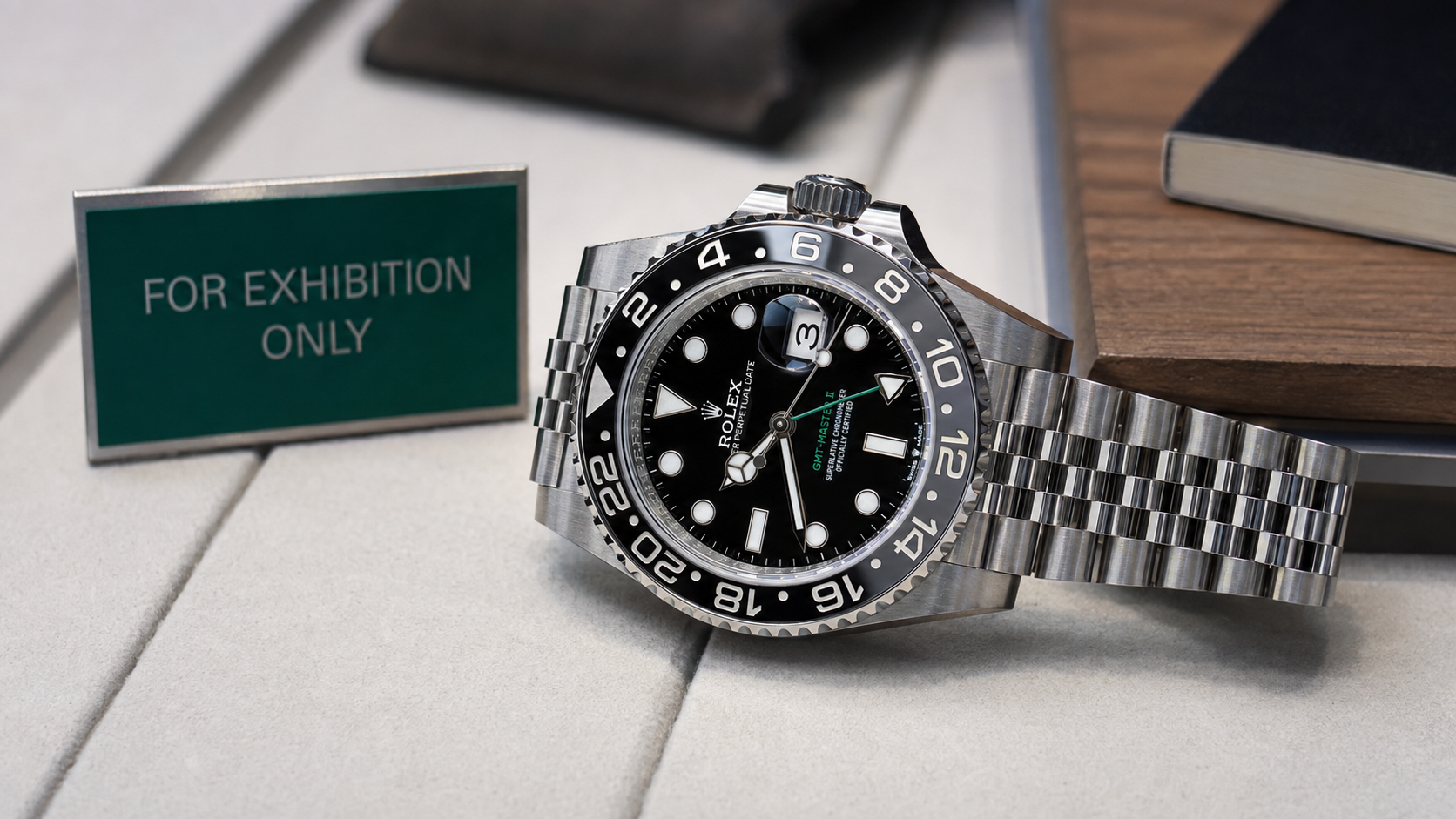
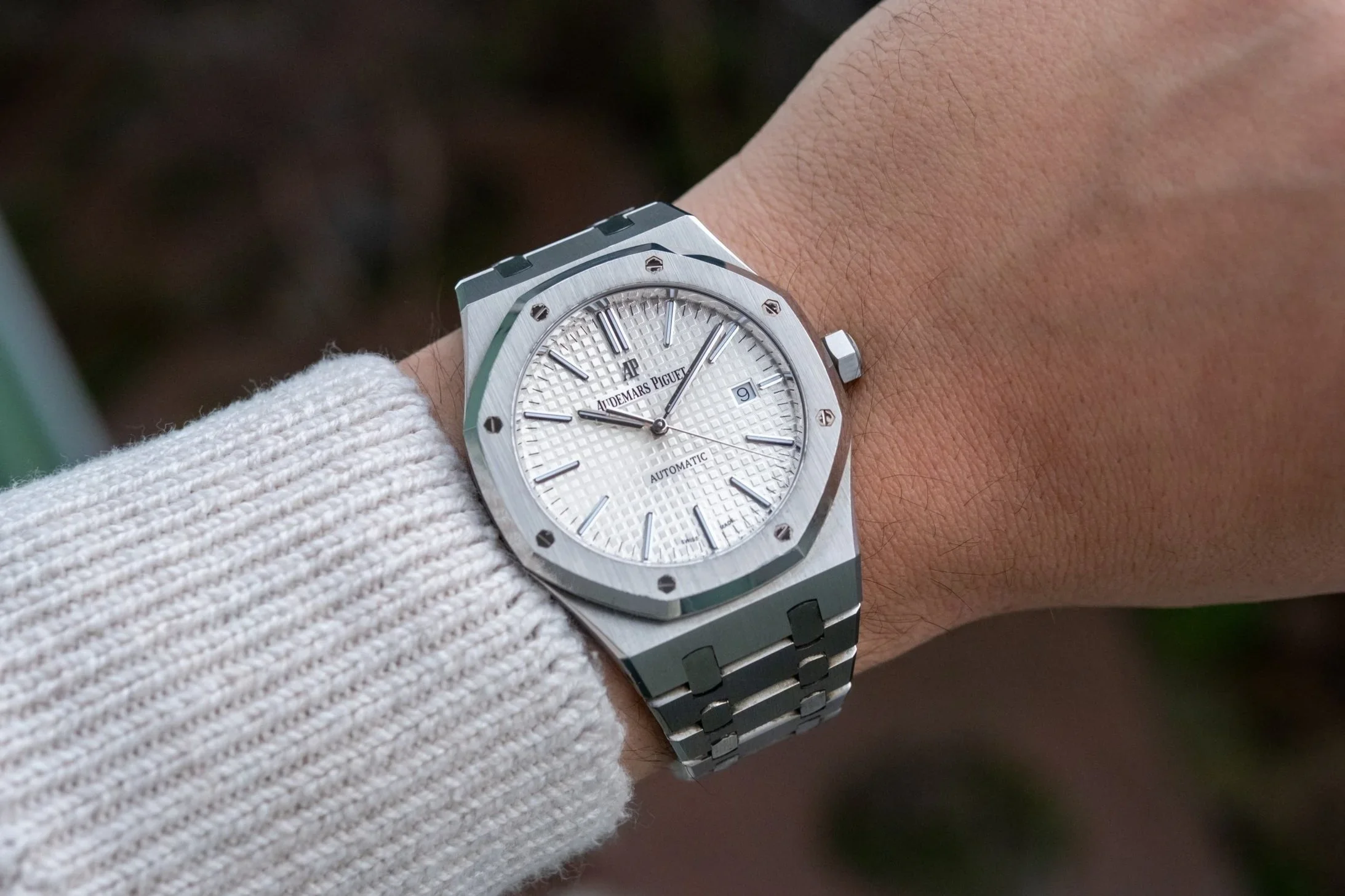
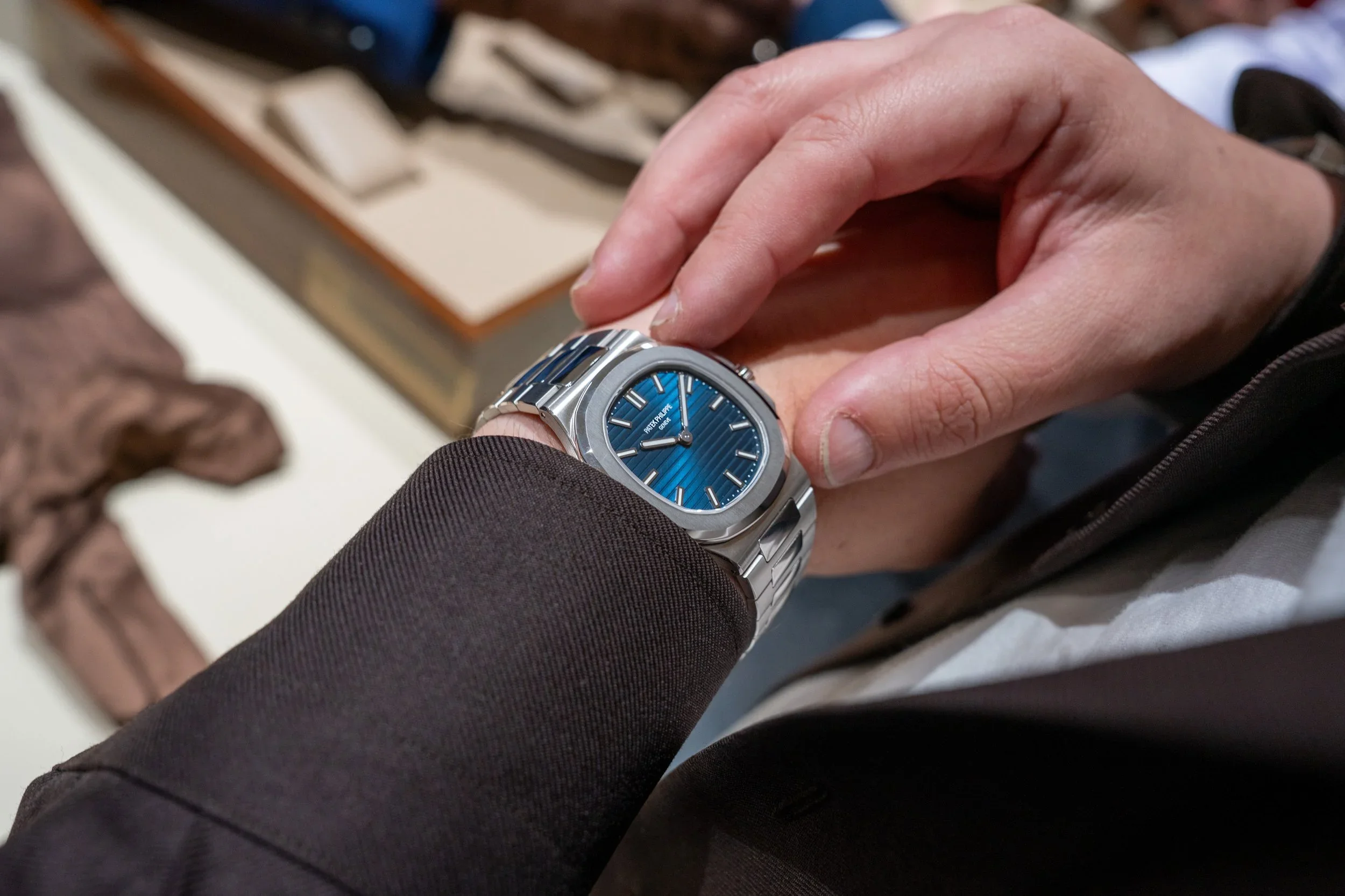
Let’s set the table. A handful of brands — Rolex most famously, but also Patek Philippe, Audemars Piguet, and a rotating cast of hype-adjacent names — make certain models in quantities that fall dramatically short of the number of people who want them. The steel Daytona. The Nautilus before it went to that great discontinued catalog in the sky. The Royal Oak in basically any configuration a normal person would want. These watches sell out before they’re made.
When you can’t buy something at retail, one of two things happens. Either the brand raises the price until demand cools, or it holds the price and lets the shortage express itself some other way. Luxury watch brands, for reasons of prestige and long-game brand equity, mostly choose door number two. They keep the retail price seductively “reasonable,” and the gap between that retail price and what the watch actually commands gets absorbed downstream — by the authorized dealer, by the grey market, by the flipper, by everyone except you at the counter.
The waitlist is what fills the vacuum where a functioning price mechanism should be. It’s not a queue. It’s a rationing tool. And whoever controls the rationing gets to decide who eats.
Who actually controls the list
Here’s the part that took me embarrassingly long to internalize. The brand makes the watch, but the authorized dealer allocates it. Your AD receives some number of hyped pieces per year — a genuinely small number, in many cases — and the store has enormous discretion over where those pieces go.
So when you put your name down for a watch that a boutique might see once or twice a year, you are not entering a line. You are entering a pool of hopeful strangers, and the person at the counter is deciding, by criteria they will never fully disclose, who gets the phone call. Longtime client who’s spent into six figures? Obviously. The friend of the store manager? Sure. You, who walked in cold and asked for the one watch everybody wants? Get comfortable.
This is why “how long is the wait?” is almost a nonsense question. There is no answer, because there is no clock. The salesperson isn’t lying to you, exactly. They just can’t tell you a truth that would sound like: “You’re not really on a list, you’re on a vibe, and right now your vibe is not compelling.”
The purchase-history game
And so we arrive at the least dignified ritual in this hobby: buying watches you don’t want to earn the right to buy a watch you do.
The mechanism is simple and rarely stated out loud. ADs generally reward spending. Buy the jewelry, the entry-level pieces, the perfectly nice but not-what-you-came-for models, and you build what everybody calls “purchase history.” Demonstrate that you’re a customer who spreads money across the case, not a tourist who only wants the one unicorn, and your odds on the allocation lottery improve. Is it explicitly quid pro quo? Almost never in those words. Does everyone understand exactly what’s happening? Yes.
I want to be fair here, because there’s a defensible version of this. A dealer has a finite number of grail pieces and a rational interest in giving them to customers who support the whole business rather than cherry-pickers who’ll flip the thing on the grey market by Tuesday. From the store’s chair, purchase history is just a loyalty filter. I get it.
But call it what it is. When a “waitlist” only moves if you spend thousands of dollars on watches that were never the point, that is not a waitlist. That is a cover charge. And the fact that it’s dressed up in the language of patience and loyalty is exactly what makes it feel a little insulting. It’s performative. It asks you to pretend you’re being rewarded for devotion when you’re really just paying a toll.
Who waitlists actually reward
So who wins? Follow the incentives and it gets clear fast.
The brand wins, because scarcity keeps the mystique — and the resale premiums — glowing, which makes the watch more desirable, which deepens the scarcity. Beautiful little flywheel. The AD wins, because the waitlist converts hype into leverage, and leverage into add-on sales you’d never have made otherwise. The established big spender wins, because their history is real and their phone actually rings. And the grey market wins biggest of all, quietly, because every watch that exits an AD and reappears at a markup is the whole distorted system printing money in broad daylight.

There’s also a structural shift worth flagging, because it quietly makes all of this harder to escape: the boutique model. More and more, brands sell through their own directly-operated boutiques instead of independent dealers, and once the brand owns the store, the tidy line between ‘the brand makes it’ and ‘the dealer allocates it’ basically dissolves. Audemars Piguet is the clearest case, steadily pulling its business into its own AP Houses, so one company builds the watch, engineers the scarcity, and personally decides who gets the phone call. Not everyone plays it that way. Patek Philippe still works largely through independent authorized retailers, keeping a little daylight between the maker and the seller. And somewhere in the middle sits Rolex, which bought Bucherer, one of its biggest authorized dealers, back in 2023, and yet so far shows little sign of using that ownership to police who does or doesn’t land a steel sport model. I’m not saying one model is villainous and another is saintly. I’m saying that the more the brand and the shop become the same entity, the fewer people outside that building have anyone left to appeal to.
Who loses? The regular enthusiast who just wants to buy the watch, wear the watch, and be left alone. The person for whom this is a passion and not a portfolio. You put your name down in good faith, treating “waitlist” as a promise, and the system was never built to keep it.
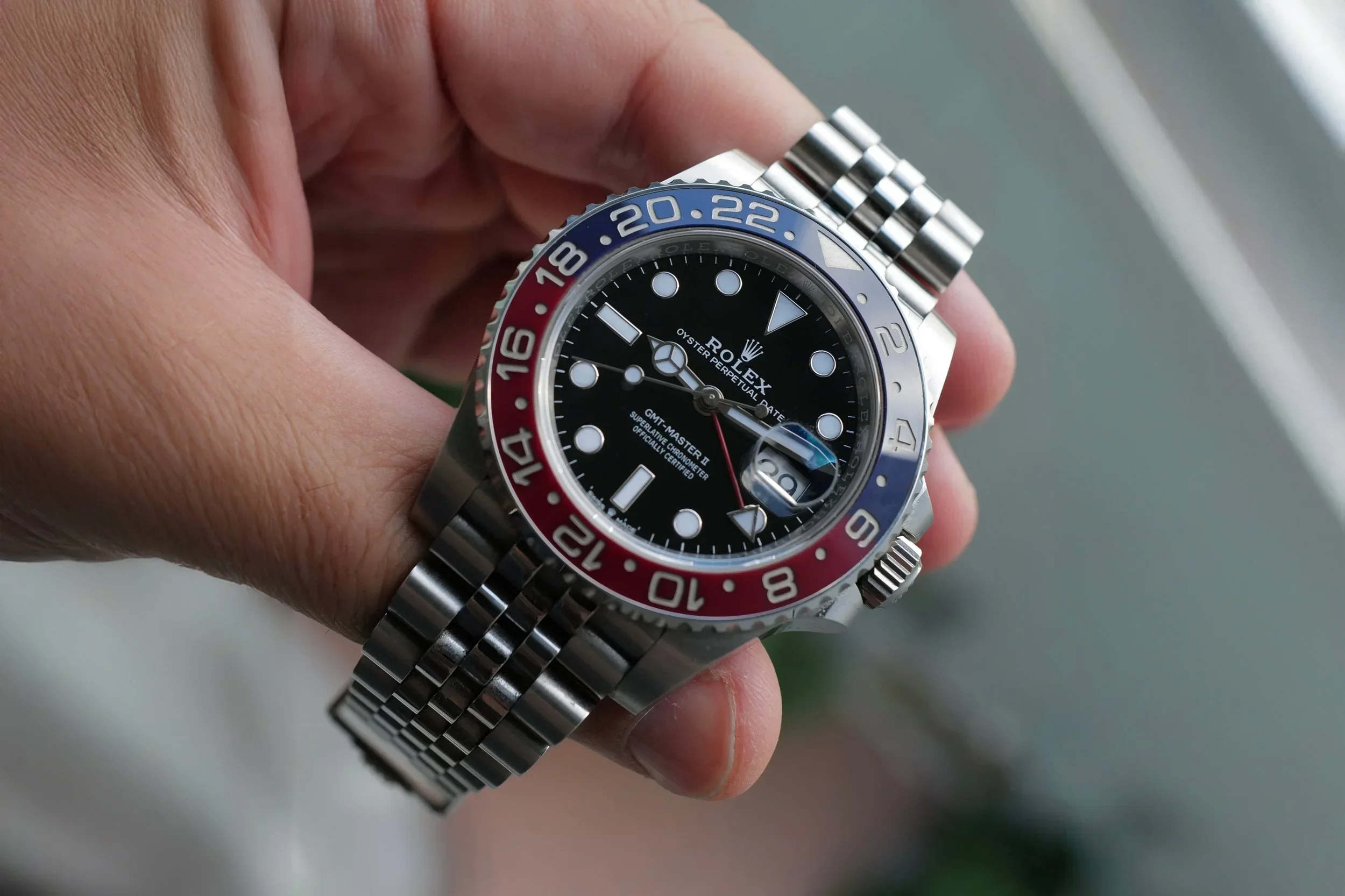
And nobody loses harder than the young, newer collector. They’re the ones with no purchase history to lean on, so the Rolex, AP, and Patek waitlists are effectively closed to them before they even begin, and they’re usually the ones who can least afford to just pay a secondary-market premium instead. That’s the quiet cruelty of the machine: it rewards the people who already have, and locks out precisely the enthusiasts with the most passion and the least leverage, the ones who’d actually wear the thing every single day for the next fifty years.
Playing the game vs walking away
Alright, permission-giving takeaway, as promised, because I didn’t write 1,300 words just to make you sad at a display case.
You have three honest moves. You can play the game with open eyes: build genuine history at a shop where you actually like the people, be a real customer and not a transaction, and accept that you’re paying a relationship tax for the pleasure of retail price. That’s legitimate, if the watch means enough to you and you can stomach the buy-in. Plenty of collectors do it happily.
You can pay the grey market and skip the theater entirely. Yes, you’ll pay over retail. But you’ll also pay in money instead of years, and money is often the thing enthusiasts have more of than patience. There is zero shame in buying the watch you want from someone who has it. The “you didn’t earn it” crowd can see themselves out.
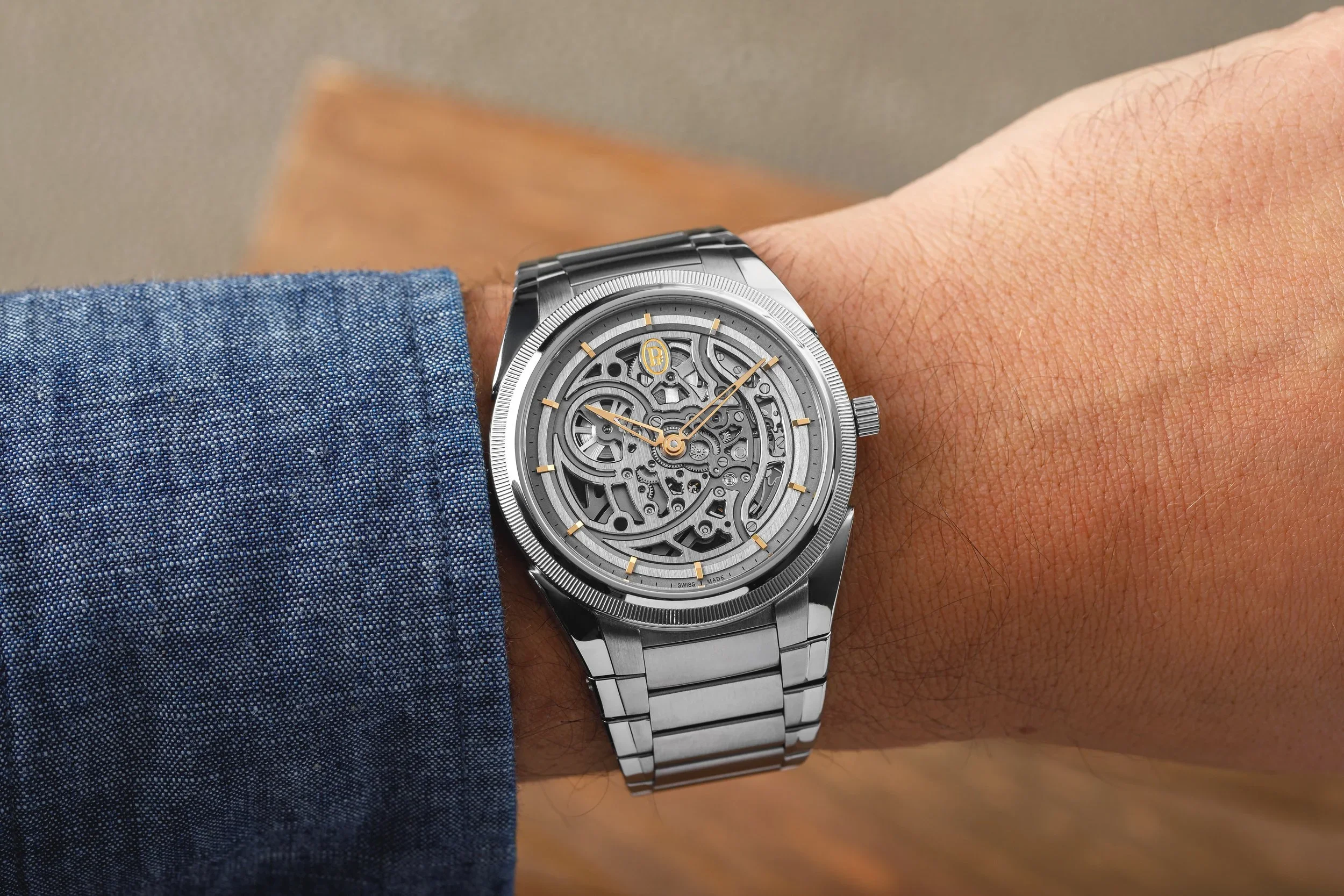
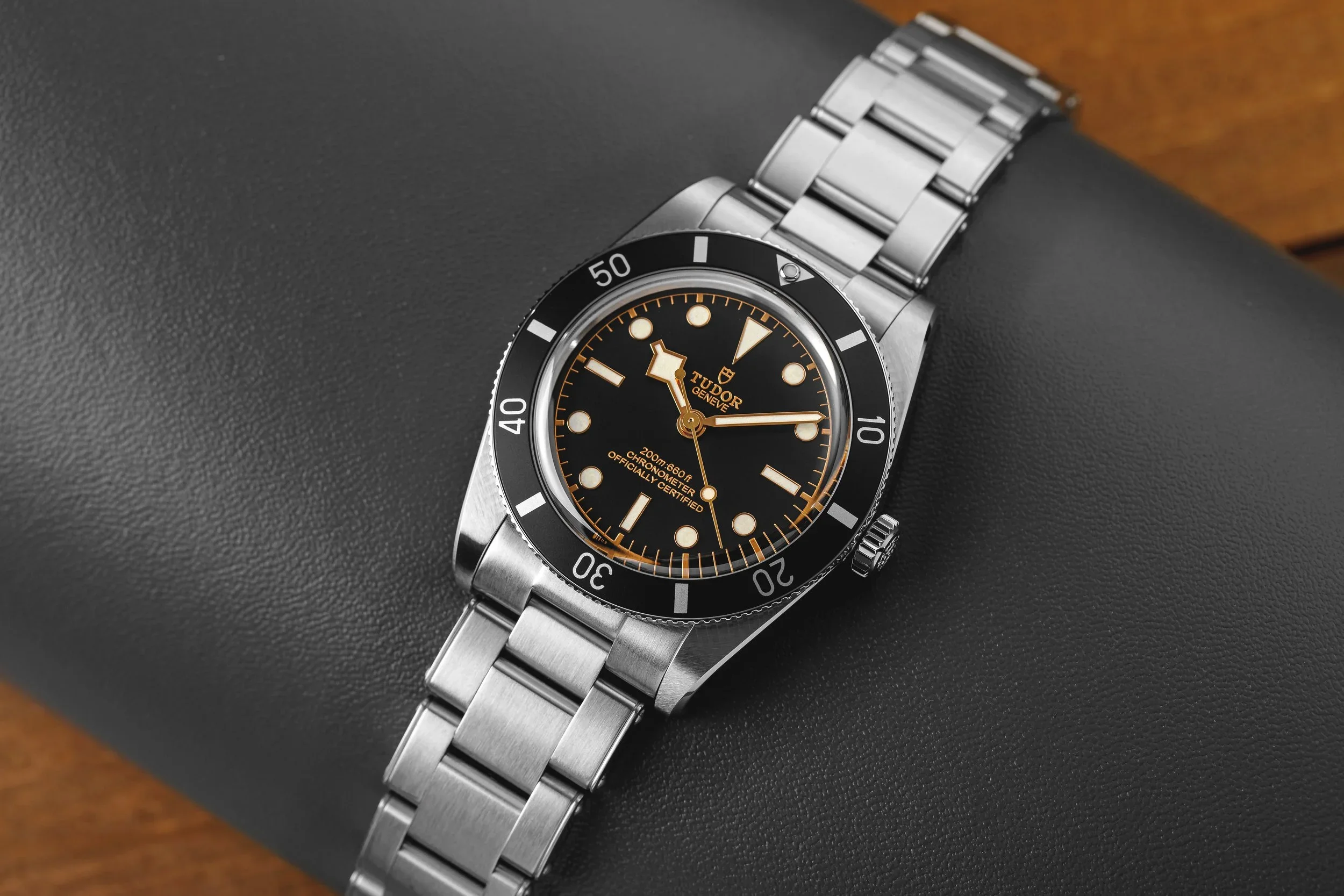
Or, and this is the move I’ve made more than once, the John-Mayer-tier grail budgets of the world be damned, you can just walk. Want out from under the whole game. There are extraordinary watches from brands that will sell you one this afternoon, at retail, with a smile and a coffee, because they’d like your business rather than your supplication. That is not a consolation prize. That’s the actual hobby, the one that got most of us into this before the flipping and the flexing.
So: are waitlists a scam? Not quite. They’re a rationing system wearing a queue’s clothing, and the trouble starts the moment you mistake the costume for the truth. Understand what the list really is, decide what your time and dignity are worth, and choose your move on purpose. The watch is supposed to make you happy. If chasing it is making you miserable, that’s not devotion. That’s just a line you agreed to stand in.