
Am I an Idiot for Wearing This? Why I Finally Insured My Rolex Pepsi
There’s a very specific feeling you get the first time you walk around a big city with a really nice watch on your wrist. Not at a watch meetup. Not standing in a boutique. I mean just out in the wild, on an ordinary day, doing ordinary things.
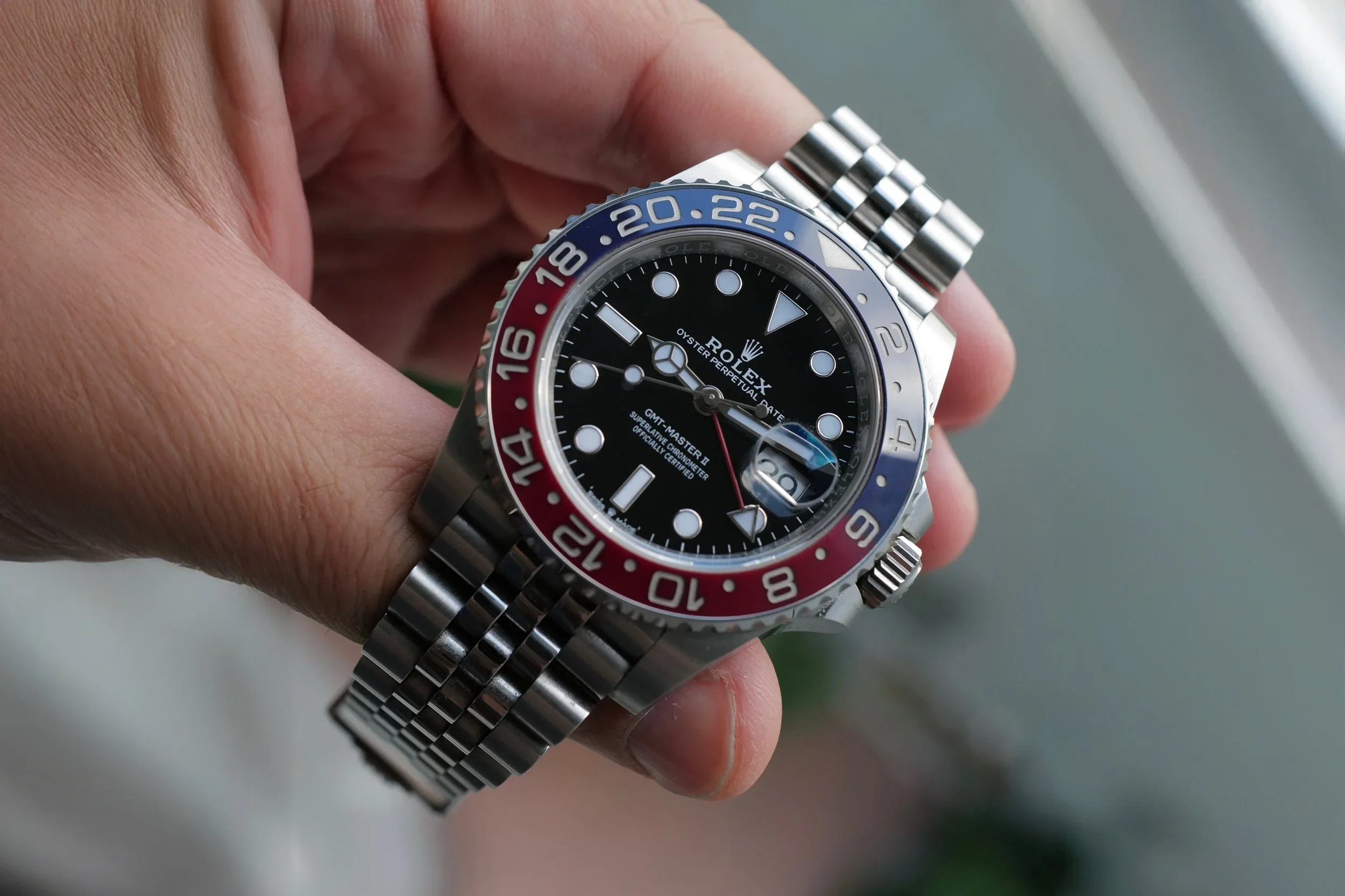
For me it was my Rolex GMT-Master II, the Pepsi. It was my dream modern Rolex, the one I actually stretched for, and I still remember looking down at it on a sidewalk in New York and thinking two things at exactly the same time: this is incredible, and also, am I an idiot for wearing this right now? Every block, someone else in a steel sports Rolex. Every week, another headline about a watch robbery in New York, or London, or Miami. And just like that, the thing that is supposed to be pure fun starts to feel like a liability strapped to your wrist.
That feeling is what finally pushed me to get serious about watch insurance. So I want to tell you how it changed the way I travel, why I put a proper policy on my own Pepsi, and, bigger picture, how I think about protecting both your watches and yourself in 2026.
First, a bit of honesty
Before we go any further, I want to be totally transparent. This article is sponsored by BriteCo. Here is the part that actually matters, though: I have been using BriteCo to insure my own watches for years, most notably that Pepsi. When their team reached out about doing something together, they genuinely did not realize I was already a customer.
So yes, there is a sponsorship here. But this is not a random brand cutting a check while I pretend to suddenly care about insurance. This is a company I already trusted with one of my favorite and most important watches, long before any of this came up, and I am comfortable putting my name behind it. Fortunately I have never had to file a claim, and I hope I never do. But if you are wondering whether I would personally vouch for them, the fact that my Pepsi has quietly been insured with them for years is probably your answer. Everything after this is about watch insurance in general. If BriteCo makes sense for you, great. If you end up with someone else, I still think dedicated coverage is just part of being a collector now.

Wearing a watch in the city feels different now
Let us be honest: wearing a recognizable watch in a major city feels different than it did five or ten years ago. People are getting robbed for Rolexes on the Upper East Side in the middle of the day. Guys are being held at gunpoint downtown, thieves jumping on scooters and mopeds and vanishing in seconds. And that is just New York. Talk to collectors in London, Miami, or Barcelona and you hear the same stories: people targeted outside restaurants, followed home from boutiques, pulled aside in subway stations for the watch on their wrist.
If you collect long enough, you start to internalize all of it. You do quiet math every time you walk down the street. Is this neighborhood okay? Is this watch too loud? Am I walking back to a hotel I do not really control, and do I actually want this on my wrist right now?
What you should actually do if it happens
Here is the part nobody likes to talk about: what you should actually do in the moment if someone stops you for your watch. As much as we love these things, if a person is desperate enough to pull a weapon on you in the street over a Rolex, the watch is not worth your life. If it ever gets to that point, you let the watch go and you walk away.
That is another reason I like having proper insurance in place. It does not make that moment any less terrifying. But it does mean I am not also standing there thinking, if I hand this over, I have just blown a five-figure hole in my life. For me, insurance is partly about replacing a watch if the worst happens, and partly about giving myself permission to make the safest decision if it ever does. I would much rather deal with a claim form than a hospital visit.
The Barcelona doorman moment
One of my biggest turning points was not even New York. It was Barcelona. I was wearing the Pepsi, just enjoying the city, and at one point the doorman at my hotel quietly pulled me aside and said, “You might not want to walk around here with that watch on.”

That flips something in your brain immediately. Now it is not internet paranoia. It is a person whose entire job is watching people come and go from that neighborhood telling you that you are broadcasting something that makes you a target. And from that point on, every decision is stressful. Do I wear it and hope for the best? Do I leave it in a hotel room I do not control? Do I trust a hotel safe I did not install, in a country I do not live in? Or do I bury it in a watch roll in my backpack and pretend that is somehow safer?
Airports, hotels, and the no-good-options trap
Then you add airports. Taking a Royal Oak or a Rolex off your wrist, dropping it into a plastic tray in full view of the entire security line, and watching it disappear into a machine while you stand there in your socks hoping it comes out the other side. You have seen the stories about airport staff stealing from bags and entire operations getting busted. You are just praying yours is not the one that goes missing.

It starts to feel like there are no good options. Wearing it feels risky. Taking it off feels risky. Leaving it behind feels risky. That is the exact headspace I was in when I finally said: okay, I need to stop pretending my homeowner’s policy is going to magically solve this, and actually insure these things properly.
Risky to wear, risky to leave at home
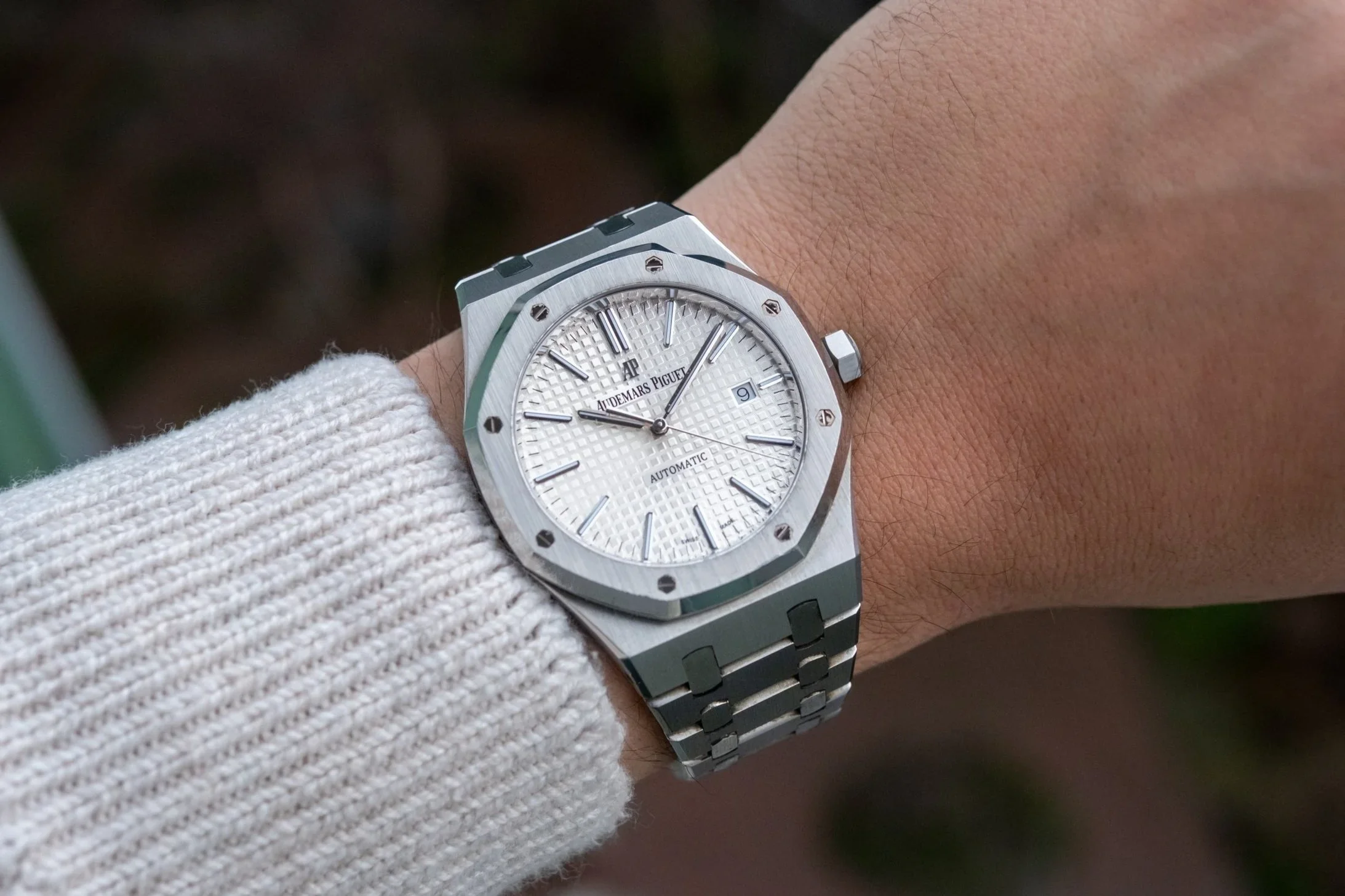
I wish I could tell you the stress evaporates the second you are back home. It does not. Pay attention to the news and you see houses getting broken into in broad daylight: glass doors smashed, alarms ripped out, Wi-Fi cut, and then dozens of watches and handbags gone in minutes. You hear about burglary investigations turning up millions of dollars in stolen luxury goods, Hermès bags and Patek Philippe and Audemars Piguet and Rolex, all taken out of people’s homes.
So you land in this strange paradox. You are nervous to wear the watch in public because of muggings. You are nervous to leave it at home because of break-ins and organized theft rings. And meanwhile the prices on a lot of these pieces are not exactly falling.
Why your homeowner’s policy probably is not enough
Here is the trap a lot of people fall into. Most homeowner’s or renter’s policies are simply not designed for watches at this level. They will cover personal property up to a limit, but once you get past a couple thousand dollars, which is basically any modern Rolex, AP, or Patek, you are either underinsured or not covered the way you think you are.
People assume, “my watch is on my homeowner’s policy, I am fine,” and then they learn the hard way that there is a low sub-limit for jewelry, or that it does not cover mysterious disappearance, or theft away from the home. That is exactly what I wanted to avoid, which is why I went looking for a proper, dedicated watch and jewelry policy instead of just hoping the fine print happened to work in my favor.
Why the Pepsi is the watch that pushed me over the line
Let me talk specifically about the Pepsi, because it is the watch that really did it. This is a watch I actually wear. It travels with me, it goes to events, it shows up in videos. It is also one of the most recognizable Rolexes on the planet. People who know nothing about watches still clock that bezel. And now that the reference is discontinued, if it disappears, whether that is a guy on a scooter in New York, a grab in a subway station, or a burglary while I am away, I am not just out a watch. I am out a watch that is genuinely harder and more expensive to replace than it was the day I bought it.
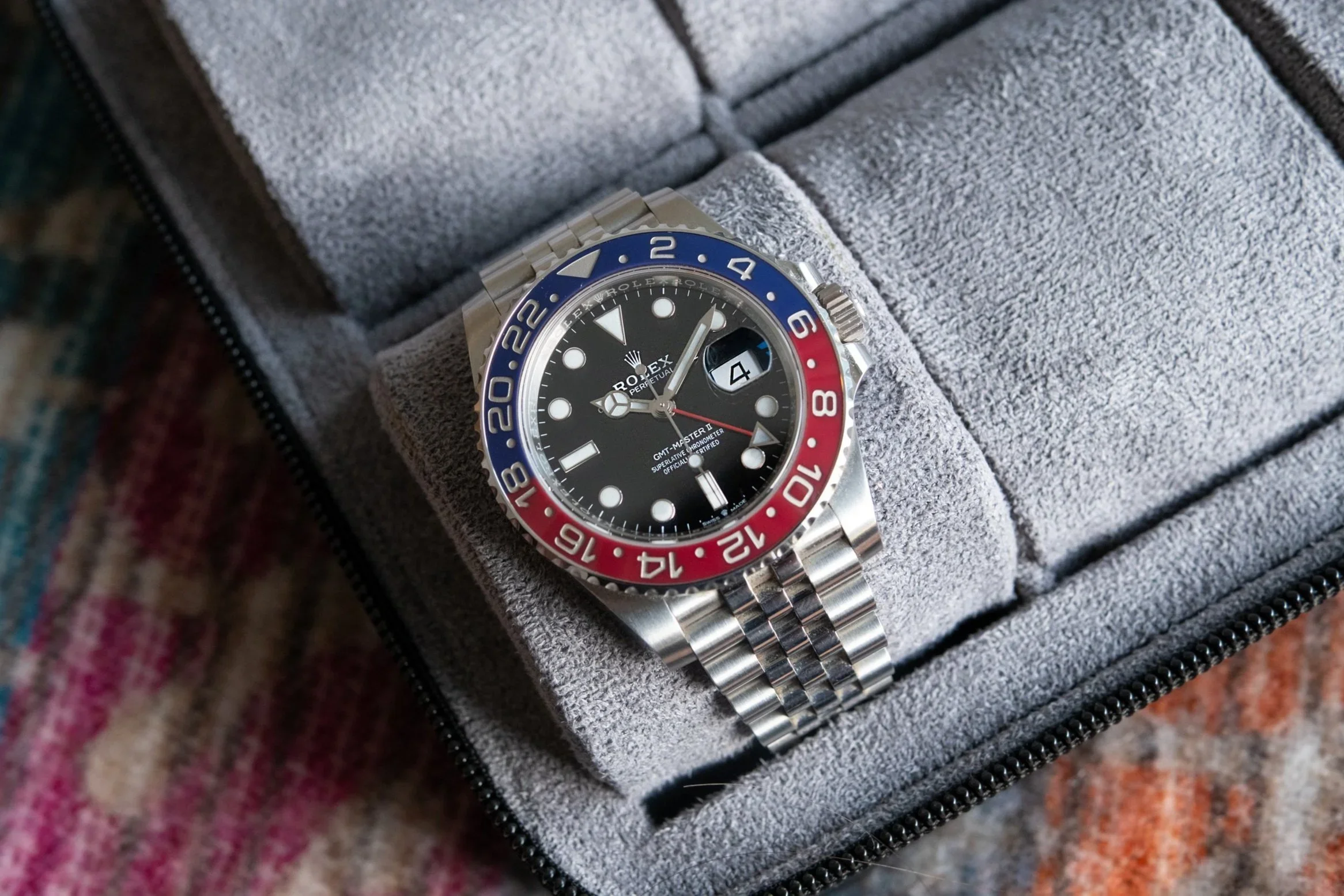
That specific combination, real emotional attachment, real market value, and real replacement difficulty, is what made me want a proper policy on it. And it is why my Pepsi has been insured with BriteCo for years, long before they ever approached me about this.
What I actually wanted from a policy
So how do I use BriteCo, and what should you be looking for from whoever you choose? Three things mattered to me. First, I wanted dedicated watch and jewelry coverage, not a vague line item buried in a homeowner’s or renter’s policy, but something that actually understands the difference between a fashion watch and a discontinued Pepsi. Second, I wanted worldwide coverage, because I genuinely travel with these watches; if one gets stolen in another country, or vanishes from a hotel, or something happens in transit, I do not want the answer to be “sorry, you are out of luck.” Third, I wanted to avoid the nightmare where you live through the awful experience of a robbery or a break-in and then get hit with a massive deductible or fine print that only covers a fraction of the value.
With my policy, the watches are covered around the clock worldwide, whether they are on my wrist, in a hotel room, or sitting at home. Premiums are based on the value and where you live, but in general, proper watch and jewelry insurance works out to a small percentage of the item’s value per year. In return, if something happens, the idea is that you are made whole: full replacement cost up to your insured value, not some random fraction of it. I also like that you can work with your own preferred jeweler or dealer on repairs and replacements, because most of us already have someone we trust and do not want to be pushed into a random shop we have never heard of. The whole application is online, it is quick, and in a lot of cases you can be covered the same day. Insuring the Pepsi was not a paperwork headache. It was a few minutes, and then I could finally stop running worst-case scenarios in my head.
And again, if BriteCo is not available where you live, or you already have a jewelry policy you like, that is completely fine. The point is that you have something specific in place for your watches.
How I actually wear and travel with watches in 2026
I do not want to leave you with nothing but fear, so here is how I actually handle it now. I think hard about where I am going; certain neighborhoods, certain cities, certain late-night situations are when the big, recognizable pieces stay home and something more under the radar goes on the wrist. I have already decided, in advance, that no watch is worth fighting over; if someone is clearly willing to hurt me for what is on my wrist, they can have it, and my only job is to go home in one piece. I treat airports as high-risk zones, so if a watch has to come off, it goes into a watch roll inside my bag, never loose in a tray for the world to see. I do not assume a hotel safe is bulletproof, because it is better than a nightstand but it is not a force field, and organized crews know exactly how little it is. And finally, I assume that at some point, in some city, something might go wrong, and I want to know in advance what happens next.
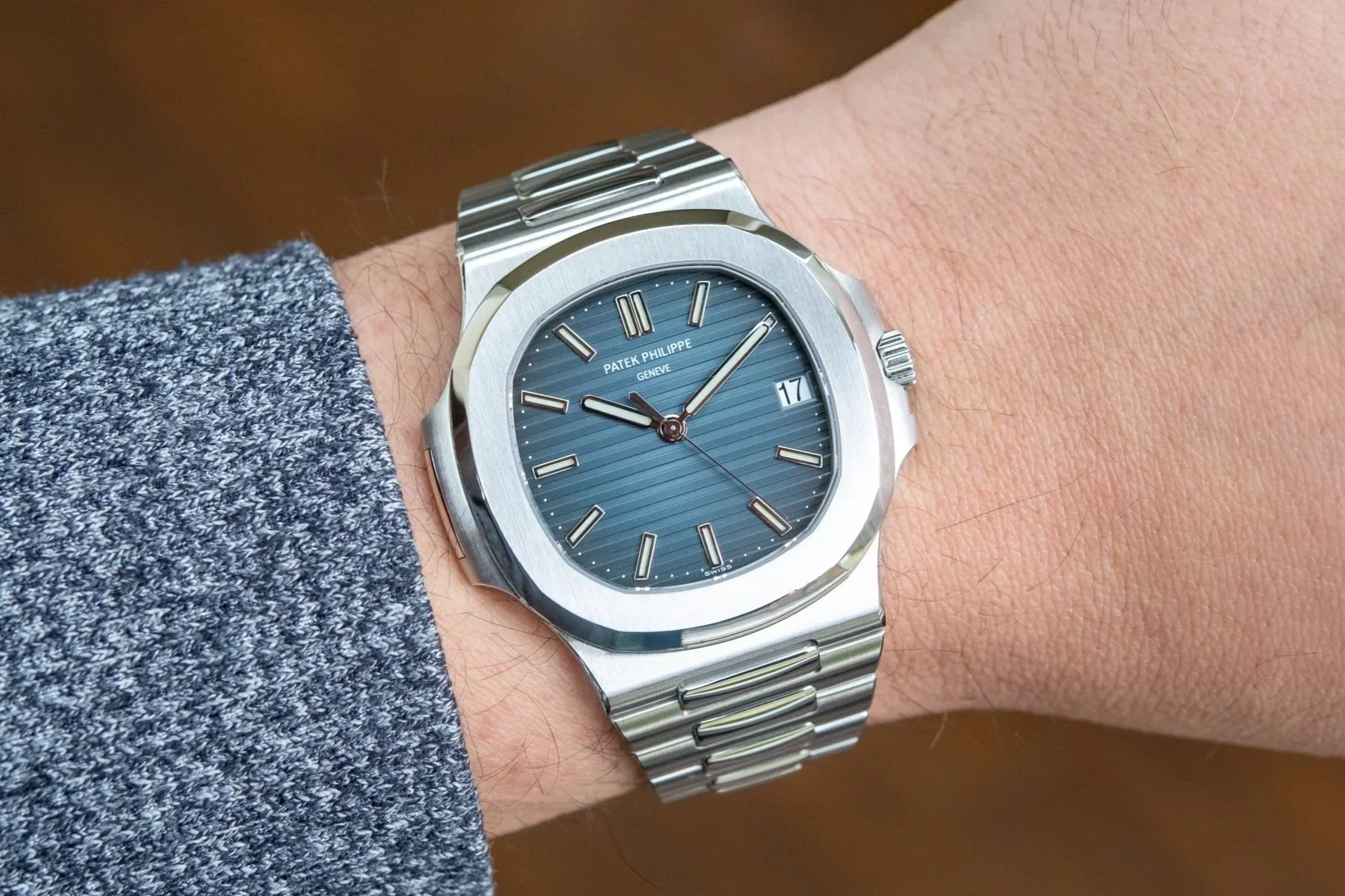
That last piece is where insurance earns its keep for me. If a watch disappears off my wrist, or through a broken glass door, or out of a hotel room, I want the hit to be “I lost a watch I loved,” not “I just lost a five-figure asset with no way to get it back.” That does not remove the sting. But it turns a life event into a process.
The bottom line
The combination of public crime, home break-ins, travel anxiety, and discontinued pieces is what finally pushed me to treat watch insurance as part of collecting rather than an optional extra. If you have been walking around with a Rolex, an AP, a Patek, or honestly just a watch that means a lot to you, and you have had that same “am I an idiot for wearing this” moment, I would genuinely look into a proper watch or jewelry policy. If you want to see how I did it, you can check out BriteCo and get a quote in about a minute. Like I said, I insure my own Pepsi with them, and I was a customer long before this sponsorship ever came up. But even if you go with someone else, get something in place.
Your watches deserve to be worn, not just worried about. Learn more about BriteCo watch insurance