
Introducing the Zenith Chronomaster Sport Skeleton
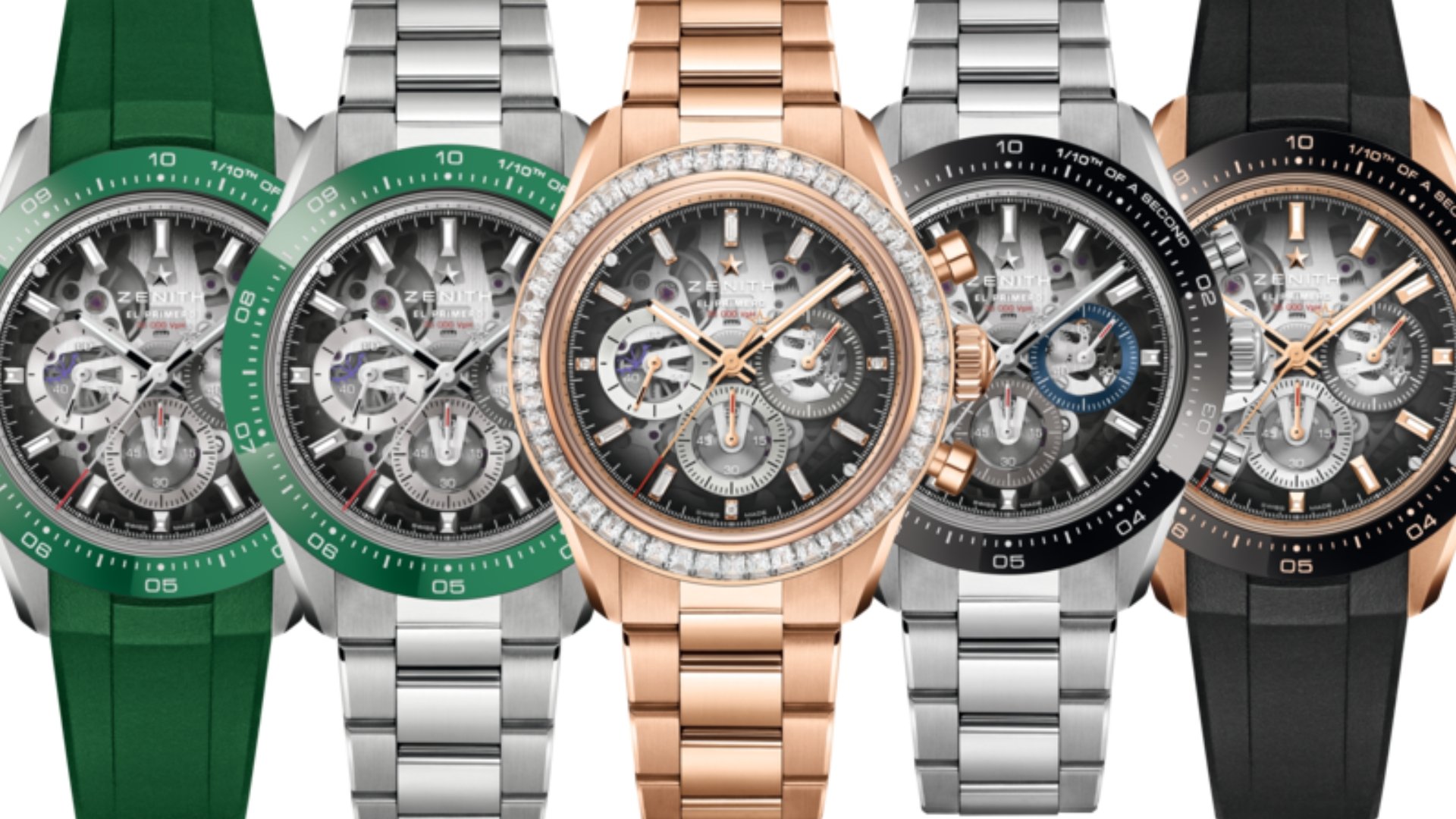
The Chronomaster Sport has always been a straightforward proposition: take the El Primero, give it a modern and sporty case, and let the movement do the talking. It is a high-performance chronograph that does not get nearly enough love. With this new Chronomaster Sport Skeleton, Zenith might have turned the tables by taking that original idea a step further: by removing the dial entirely. Skeletonized chronographs are nothing new, but they’re tricky to get right. Too much openness and you lose legibility. Too little and it feels like a half measure. I think Zenith have hit the nail on the head with this one, let’s get stuck in and see what it is all about…
The Basics
Case: 41mm, Stainless Steel, or Rose Gold.
Crystal: Sapphire.
Movement: Automatic, El Primero 3600 SK, Chronograph.
Water Resistance: 100 Meters.
Strap Options: Steel bracelet with micro-adjust clasp (plus rubber strap) or rubber strap on gold models.
Price: Starting at $16,700 (steel), up to $111,000 (diamond-set rose gold limited edition).
Availability: Available through Zenith boutiques, online, and authorized retailers.
The Juice
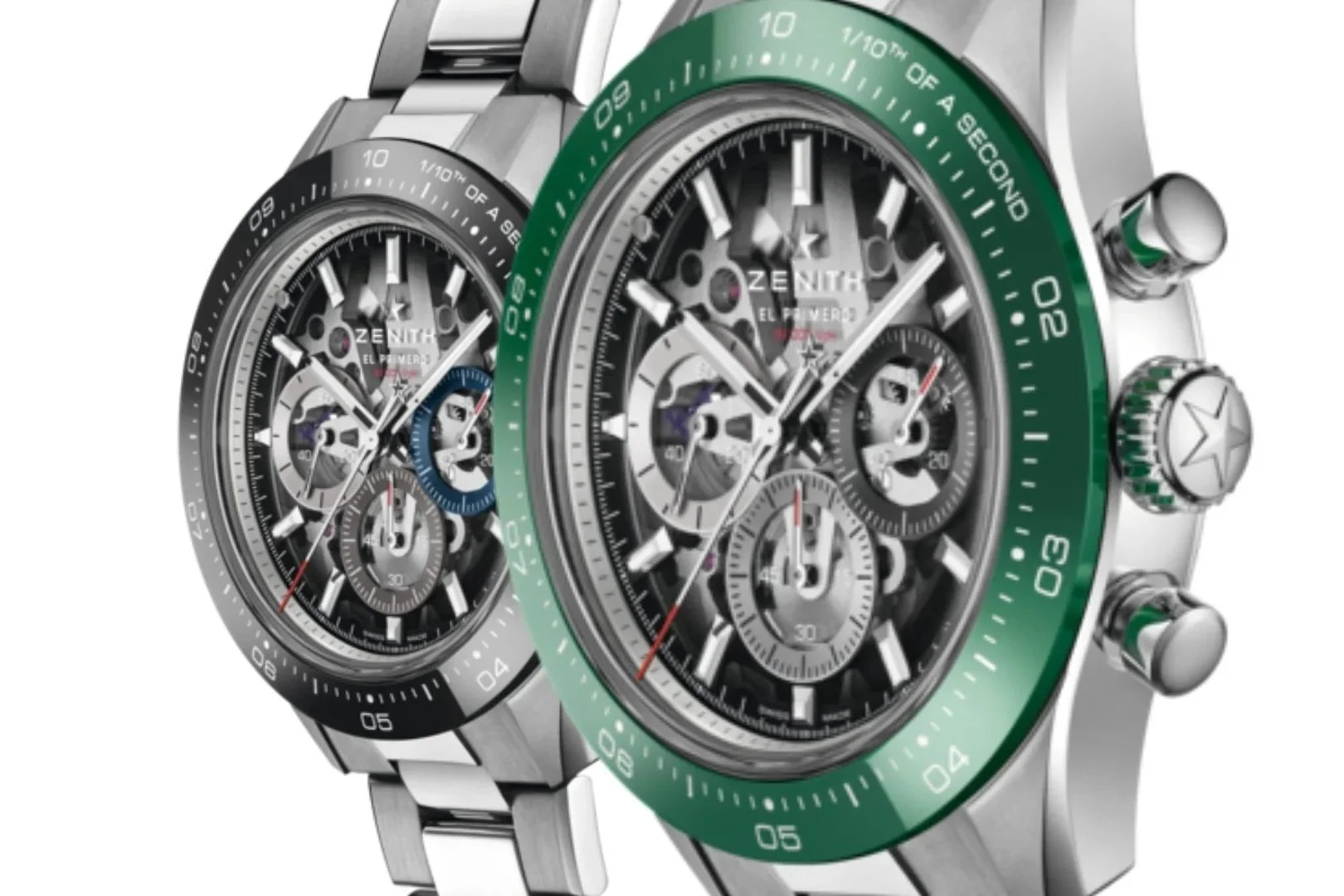
The key to understanding this watch is the movement. The El Primero is wiedely regarded as one of, if not the most, significant chronograph movement ever designed and produced. The El Primero 3600 is already well established with its capability of measuring 1/10th of a second, something few can can manage. For those of you not already familiar with the functioning of the El Primero, instead of a central chronograph seconds hand that makes one full rotation per minute, this one completes a rotation every second. Each increment lines up directly with the 10th of a second scale on the bezel, making the reading intuitive rather than theoretical. A properly useable feature rather than a gimmick.
The claim I made about getting rid of the dial completey was a slight exageration. The dial is technically sapphire, tinted from dark at the edges to transparent toward the center. It’s not fully open, which is a good thing: it leaves a little room for the imagination. There’s still enough structure to anchor the design by maintaing the familiar tri-color subdials that tie it back to the original. Underneath, the movement has been openworked with a clear focus on maintaining rigidity. That’s important, because skeletonization can sometimes compromise performance if it’s done purely for aesthetics. For a watchmaker who have built their brand on performance, this sounds about right: you cannot compromise your core values to hop on a trend.
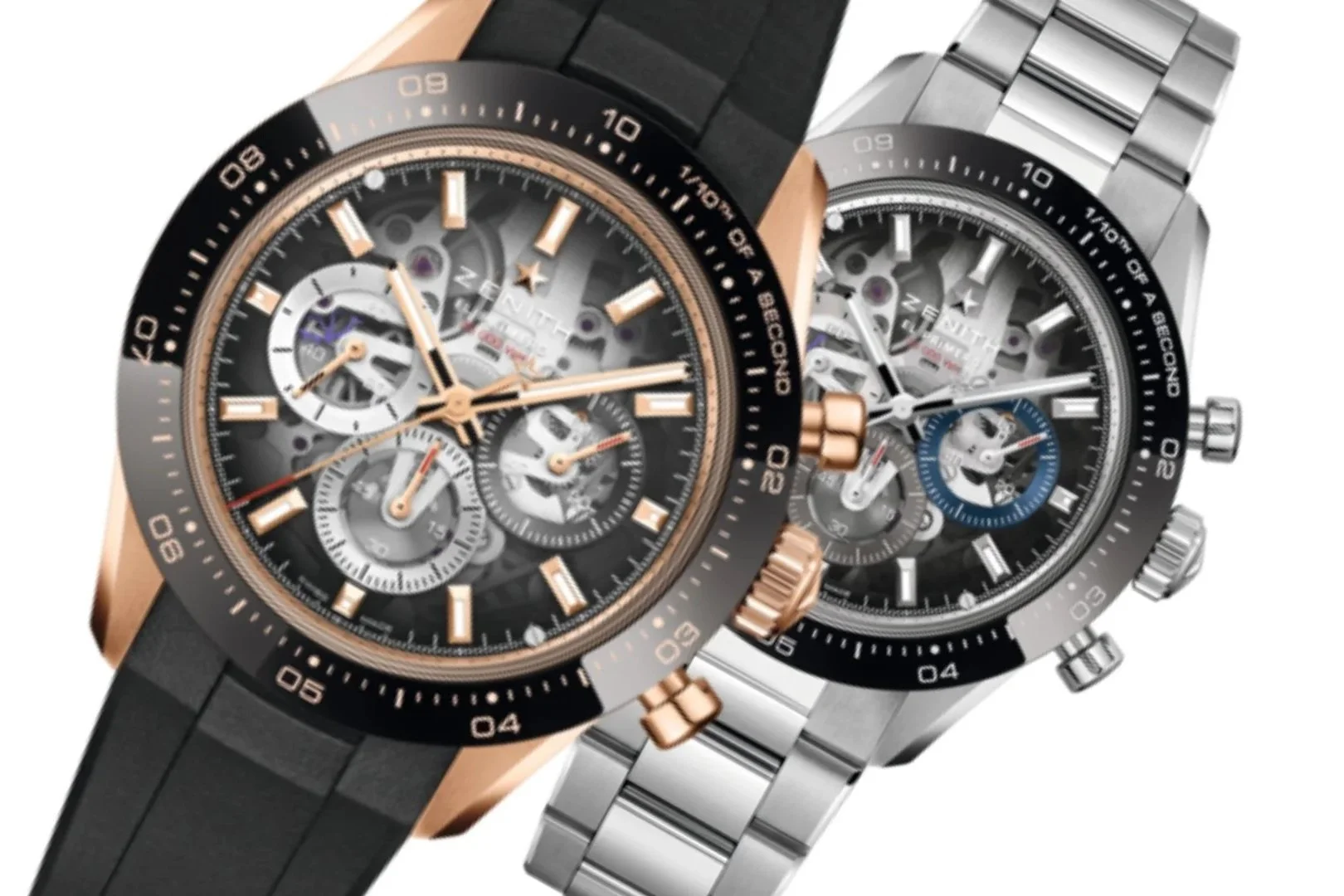
The case remains largely unchanged: 41mm, with a mix of brushed and polished surfaces. It still wears like a modern sports chronograph, not a delicate skeleton piece. The ceramic bezel ties off the package, keeping it virtually the same as the non skeletonized version: they really haven’t rewritten the playbook and definitely didn’t need to in my opinion.
One detail that might get overlooked is the new clasp. Zenith has introduced a micro-adjustable folding clasp on the steel models, and it’s more involved than it sounds. It allows for on-the-fly adjustments in 2mm increments, up to 10mm total, without tools. The mechanism itself is fairly complex over 40 components. It should be mindblowing to you that such a simple function requries so much engineering.
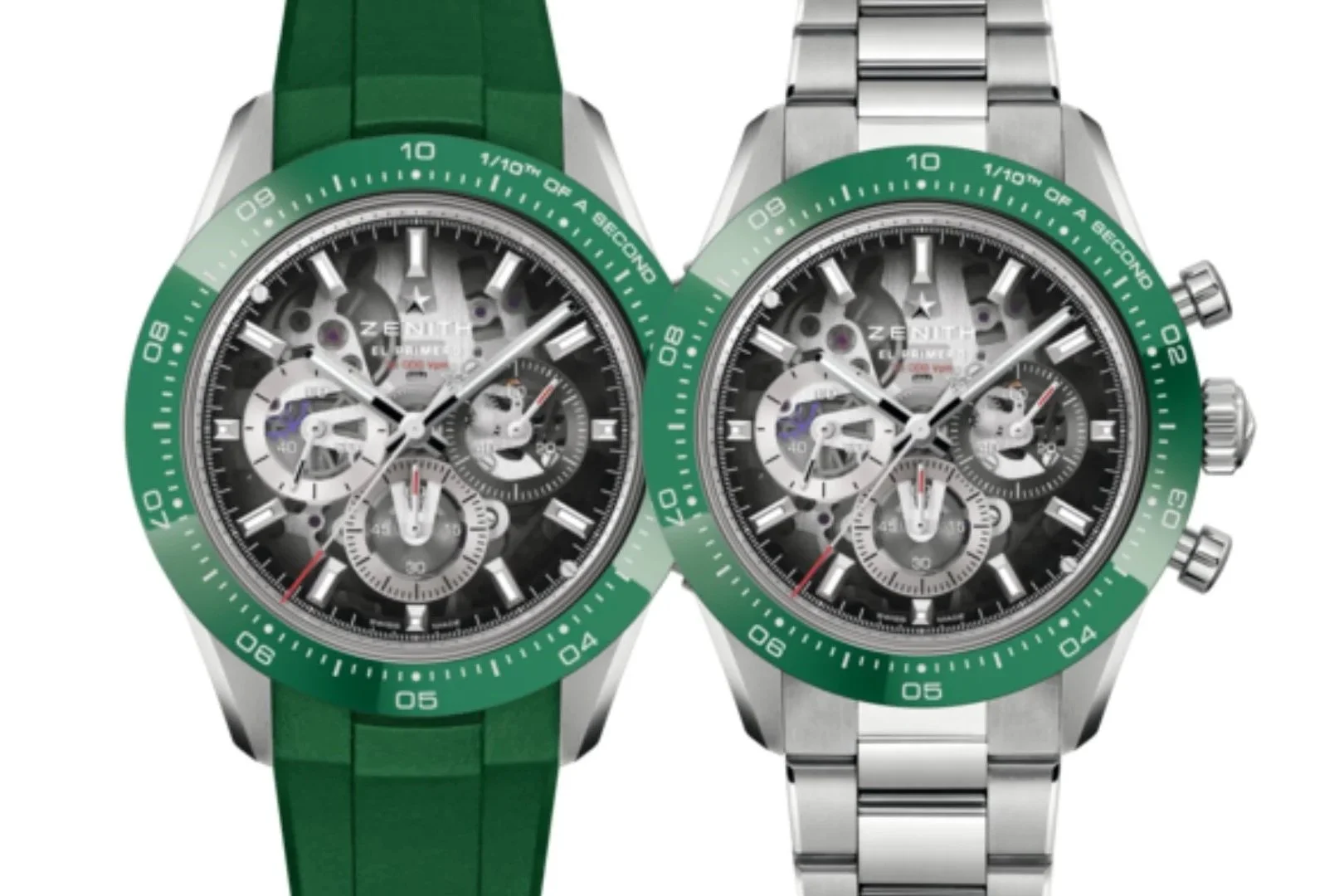
There are four versions overall. Two in steel (black or green ceramic bezel), one in rose gold on rubber, and a very limited rose gold model with a diamond-set bezel. The latter leans more into the luxury side, but the core design remains consistent across all variants.
Final Thoughts
The Chronomaster Sport Skeleton works because Zenith didn’t overdo it. This isn’t a fully exposed, overly intricate skeleton watch. It’s a measured opening of an already strong design. You still get the core appeal of the Chronomaster Sport: a high-frequency chronograph that’s easy to read and built for everyday use. The skeletonization just adds another layer that lets you engage with the movement in a more direct way. This is definitely a watch for the tech nerds. If anything, this release reinforces what the El Primero has always been about: precision first, mechanics second, and design following both.
Find out more about these watches here.