
Introducing the Jaeger-LeCoultre Grande Tradition Tourbillon Jumping Date
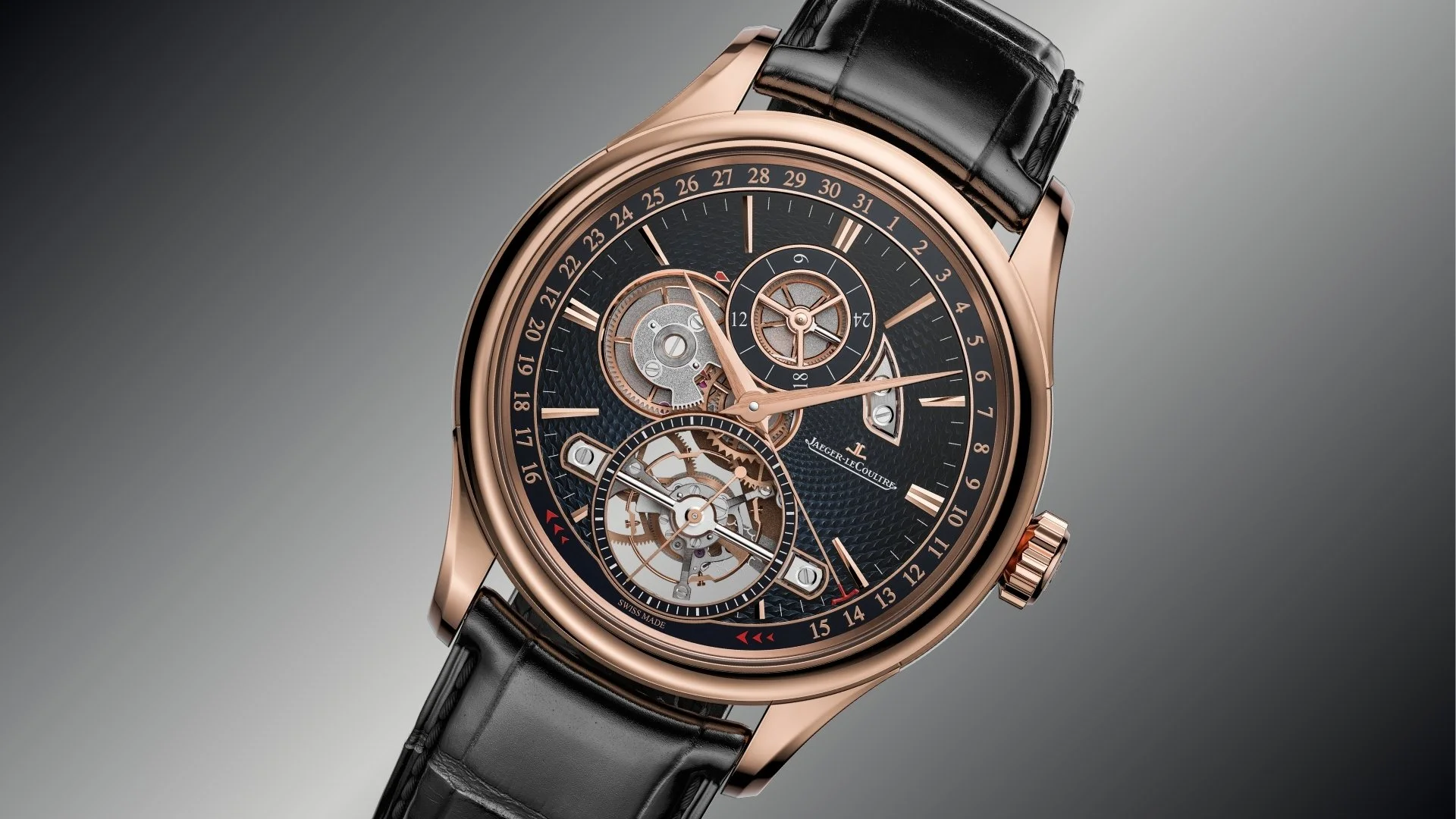
Jaeger-LeCoultre are affectionately known as the watchmaker of watchmakers. Many people may not realise why: they have a long history of supplying movements to the holy trinity of watchmaking. However, I would argue that this isn’t the only reason. Their very own high-end pieces, which sometimes fly a little under the radar, are a thing of wonder. To remind us of the latter, they like to release something mind-blowing and big. When they drop something in the Master Grande Tradition line, you know that you better pay attention because this is the big-league for JLC. Today, they revisit a modern classic with the Master Grande Tradition Tourbillon Jumping Date, while simultaneously ending the discussion about how can include the most complications in the name of a watch. This is not just a simple re-dial. It is a complete architectural overhaul of the Calibre 978, taking an award-winning, ultra-precise foundation and exposing it to a world of complications and open-working. This is exactly the kind of technical piece we want to see from the brand, as they flex their muscles.
The Basics
Case: 42mm, 18K Pink Gold
Crystal: Sapphire.
Movement: Automatic, Jaeger-LeCoultre Calibre 978.
Water Resistance: 5 bar Strap Options: Black alligator leather with small-scale lining; 18K pink gold folding buckle.
Price: Upon request.
Availability: Limited edition of 100 pieces.
The Juice
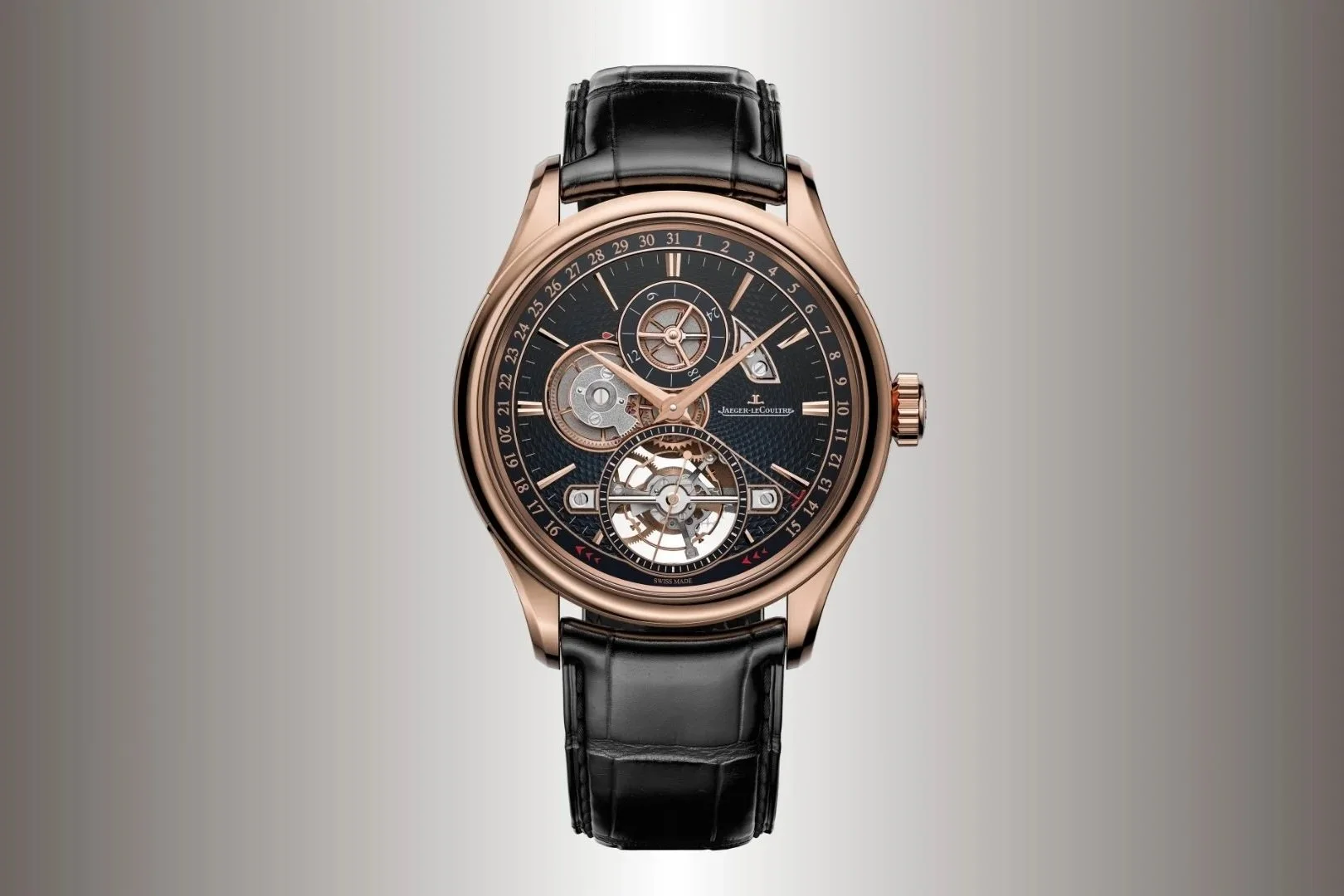
The real story here is the complete restructuring of the Calibre 978. Restructuring is a light term given how much extra-architecture has been added and the number of additonal components needed. Jaeger-LeCoultre did not just take the old movement and remove the dial: JLC do not do half measures. They rebuilt it with 305 components to specifically highlight the mechanics through the newly open-worked sections.
The undeniable star of this show is the tourbillon sitting at six o'clock. It is held in place by an 18K white gold upper bridge that has been finished using a traditional rounding-off technique known as berçage. It is incredibly labor-intensive, and the result is a bridge that plays with the light beautifully. This is the lengths they will go to for such a small, yet significant visual effect. As you can imagine, the rest of the watch is pretty special too.
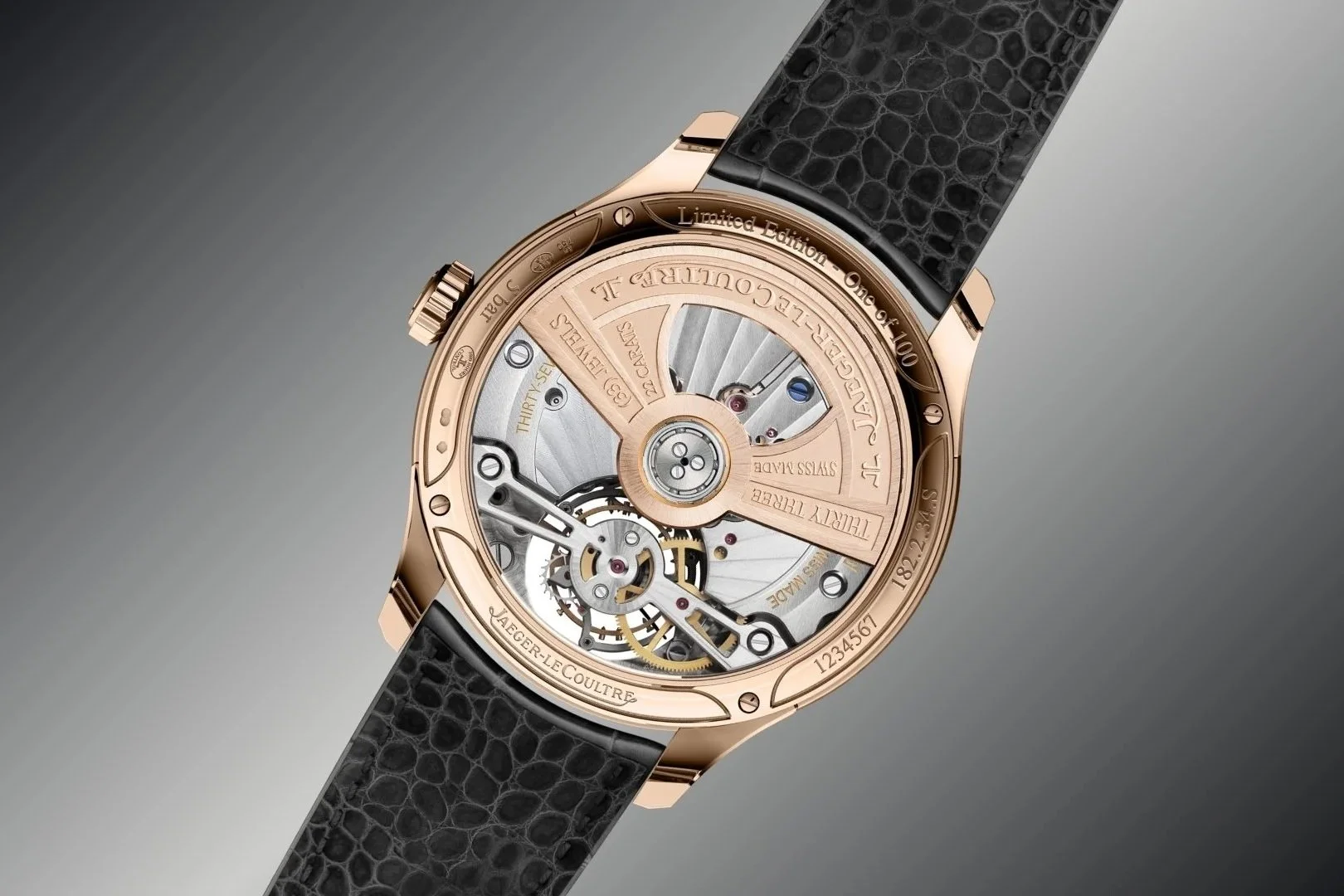
My favorite part of this watch is the jumping date mechanism. In my opinion, there is nothing worse than the date not quite snapping into place nicely, but with this kind of mechanism that will not happen. The date is displayed around the periphery of the dial on a blue enamel track, that has been decorated with a barleycorn guilloche pattern. Most brands would opt for one of the two, but rarely both…
The problem with a traditional pointer date is that the hand would cover the tourbillon for several days out of the month. To solve this issue, Jaeger-LeCoultre has engineered the mechanism in such a way that when the date changes from the fifteenth to the sixteenth (the part of the date rotation that happens around six o’clock) the hand physically jumps across the tourbillon aperture, covering just short of ninety degrees instantly. This leaves the escapement completely unobstructed. They have even gone to the trouble of adding a new cutaway on the dial at nine o'clock so you can actually see the mechanism that triggers this jump.
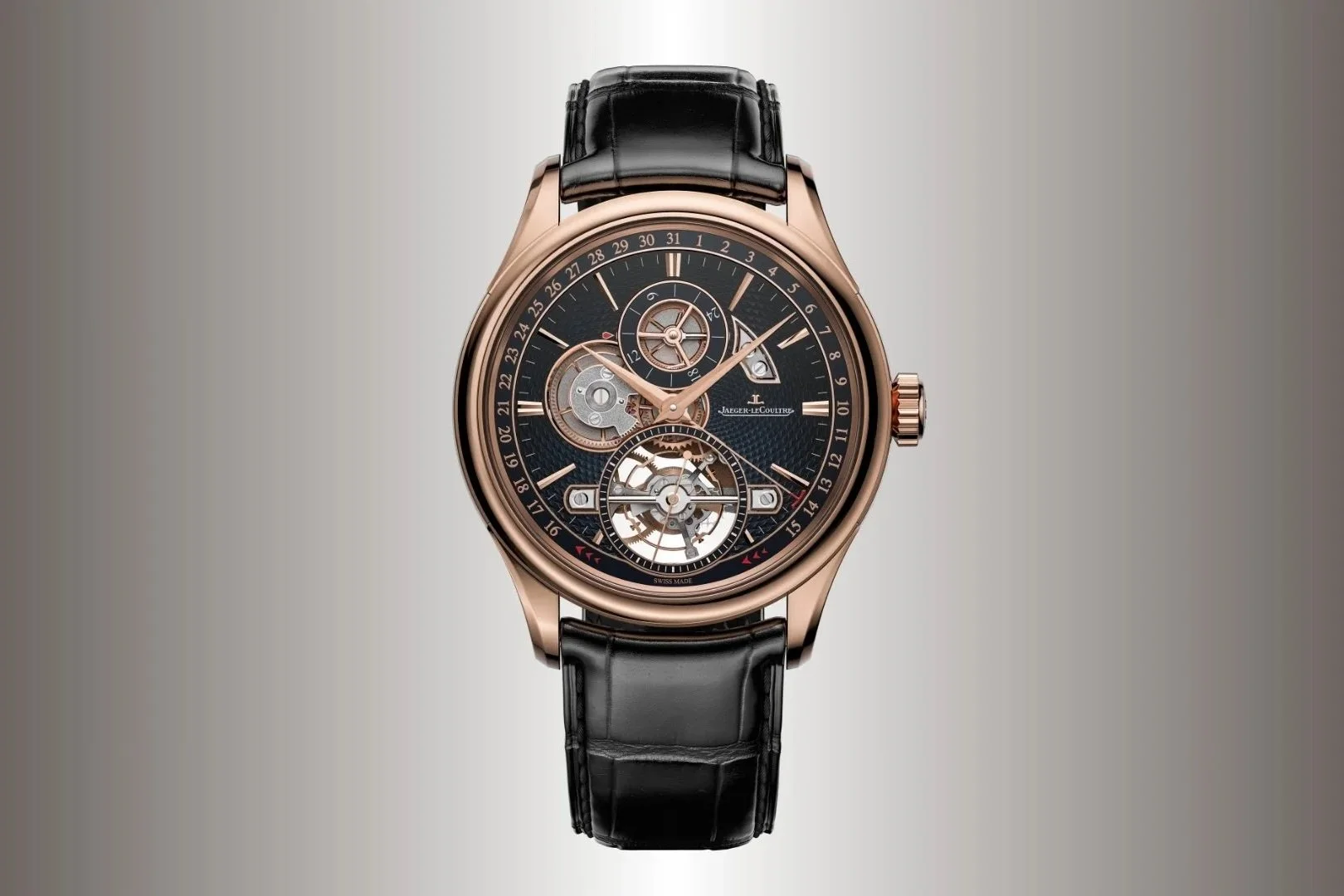
In addition to the time and date, there is a second time zone indicator located at twelve o'clock, displayed via a twenty-four-hour disc. On most watches, a second time-zone indicator is the main feature, on this one, it seems like a ‘nice to have’. Again, few brands might have the capacity to produce such a complication movement, let alone even design one that regroups several of increasing degrees of complexity. JLC, on the other hand, can and do.
Final Thoughts
I think Jaeger-LeCoultre perfectly avoided that openworked trap here: often, skeletonized dials can often feel cluttered or incredibly difficult to read, especially when you add complications . By keeping the main dial relatively intact and only cutting away specific sections to reveal the main bits of the show, the watch maintains a sense of classical elegance and a lot of legibility. The 42mm case size might sound a bit large on paper for a dress watch, yet, given the spec sheet, the dimensions feel completely justified. I am not sure that I know a single person who would bear such a gripe. At the end of the day, this limited edition of one hundred pieces is a beautiful reminder of what the brand does best: jack of all trades, and master of all of them.
Find out more about this watch here.