
Introducing the new Zenith GFJ in Bloodstone and Tantalum
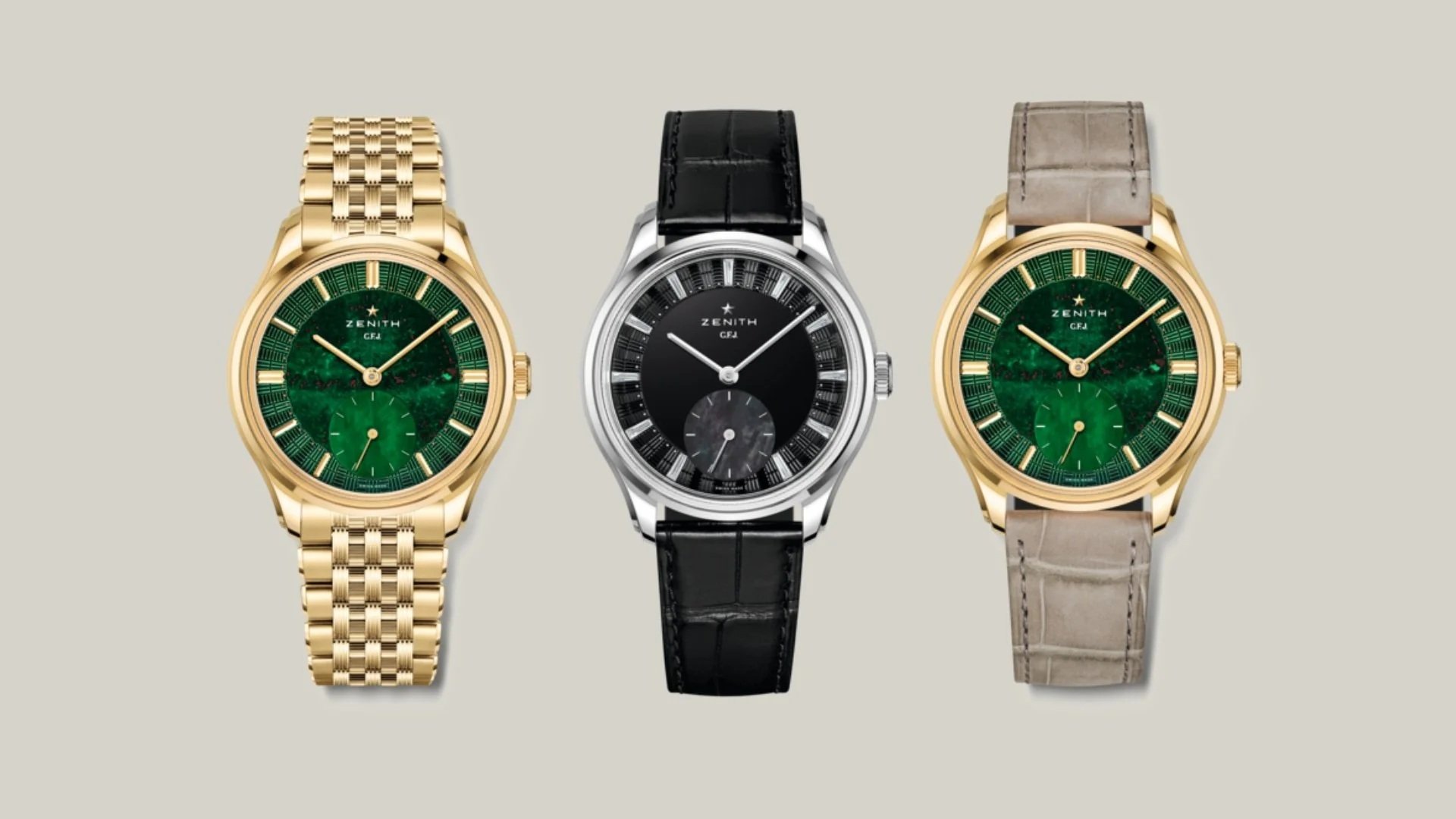
Last year Zenith celebrated their 160th anniversary, and to mark the occasion they released the G.F.J, a tribute to their founder. Based on their renowned Calibre 135, Zenith reminded everyone of their watchmaking prowess. The brand’s history in observatory trials is well documented, and the Calibre 135 sits right at the center of that legacy. This year Zenith have brought back the G.F.J in two very compelling variants, and cementing the piece as a jewel in their crown. Expanding the G.F.J. line with two very different executions, we have a yellow gold with a bloodstone dial, and a far more exclusive tantalum version with onyx and diamond markers. It’s the same underlying idea as the original G.F.J and the same movement, but with two very distinct personalities.
The Basics
Case: 39mm, Yellow Gold or Tantalum.
Crystal: Sapphire.
Movement: Manual Winding, Zenith Calibre 135, COSC-certified.
Water Resistance: 50 Meters.
Strap Options: Exclusive Leather Straps for Each Variant.
Price: Gold $51,900;Tantalum $83,400.
Availability: Gold, limited to 161 pieces; Tantalum: limited to 20 pieces.
The Juice
At the center of both watches is the same story: the revival of the Calibre 135 and the continuing legacy of Georges Favre Jacot- Zenith’s founder. The Calibre 135 is a movement originally built for chronometry competitions in the mid-20th century. Zenith have re-engineered it to ensure that its already impressive performance is vastly improved with modern know-how. The architecture stays intact, including the oversized balance wheel and distinctive layout, but performance is updated with a 72-hour power reserve and regulation to within +/-2 seconds per day. To me, that is the perfect balance between innovation and heritage.
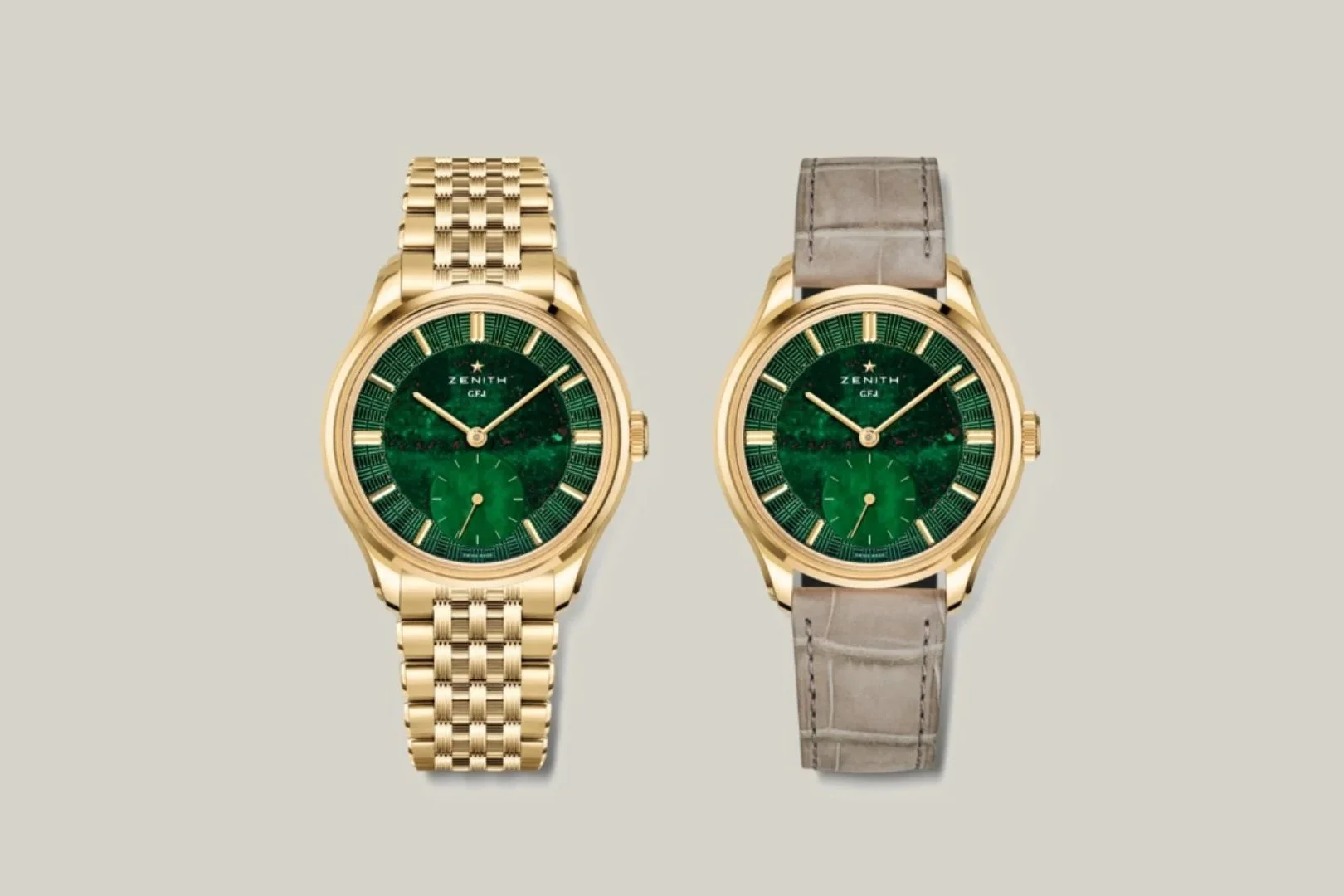
The cases are where the two versions diverge.The yellow gold model leans into warmth and texture. The standout feature is the bloodstone dial, which is a material choice you don’t see often even in this renewed era of stone dials. The deep green with natural red inclusions means no two dials are identical. Each of the 161 pieces will be largely unique. Around the dial, Zenith keeps things close to the original concept: a guilloché outer ring inspired by the manufacture’s brick façade, one of the standout elements of this watch.
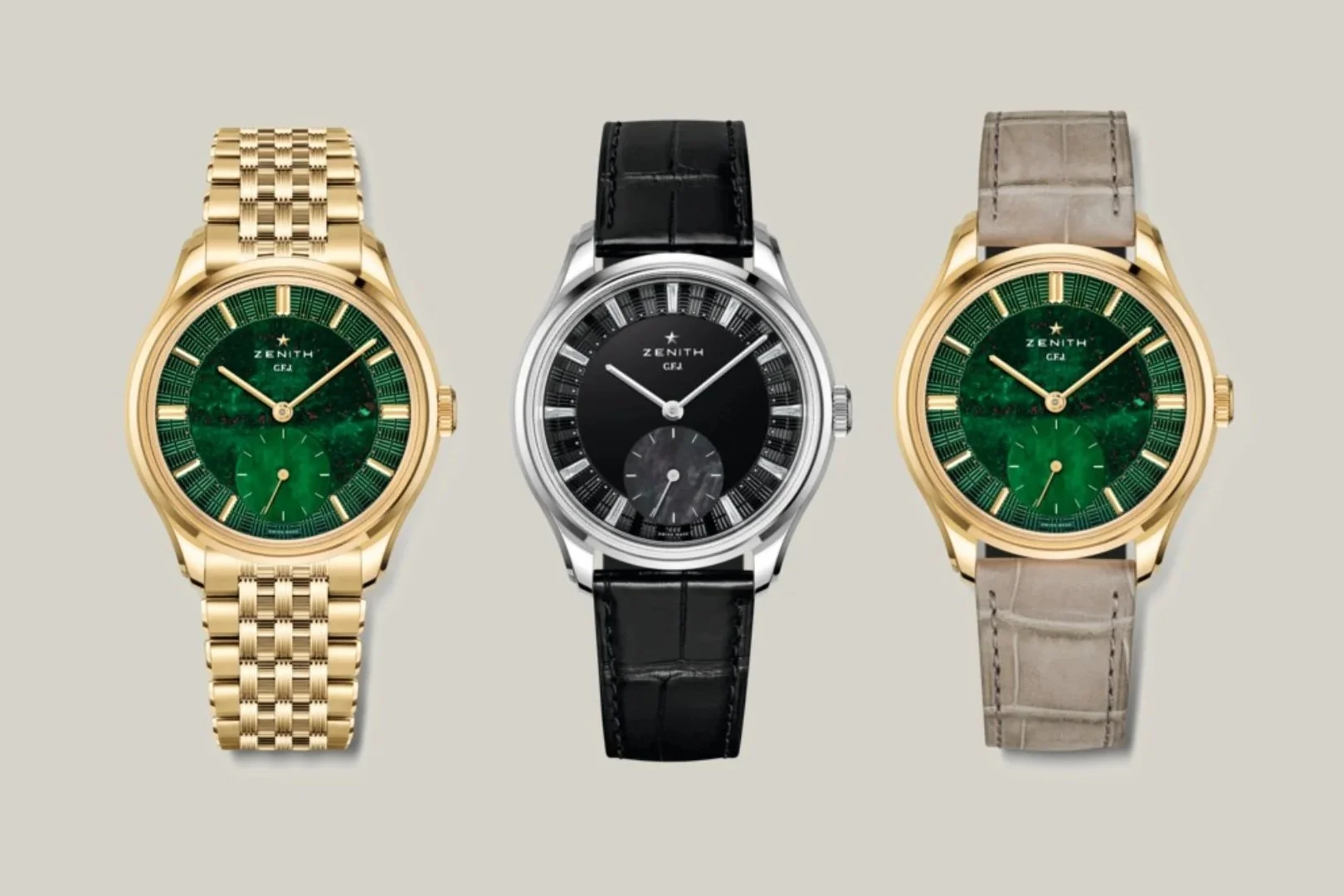
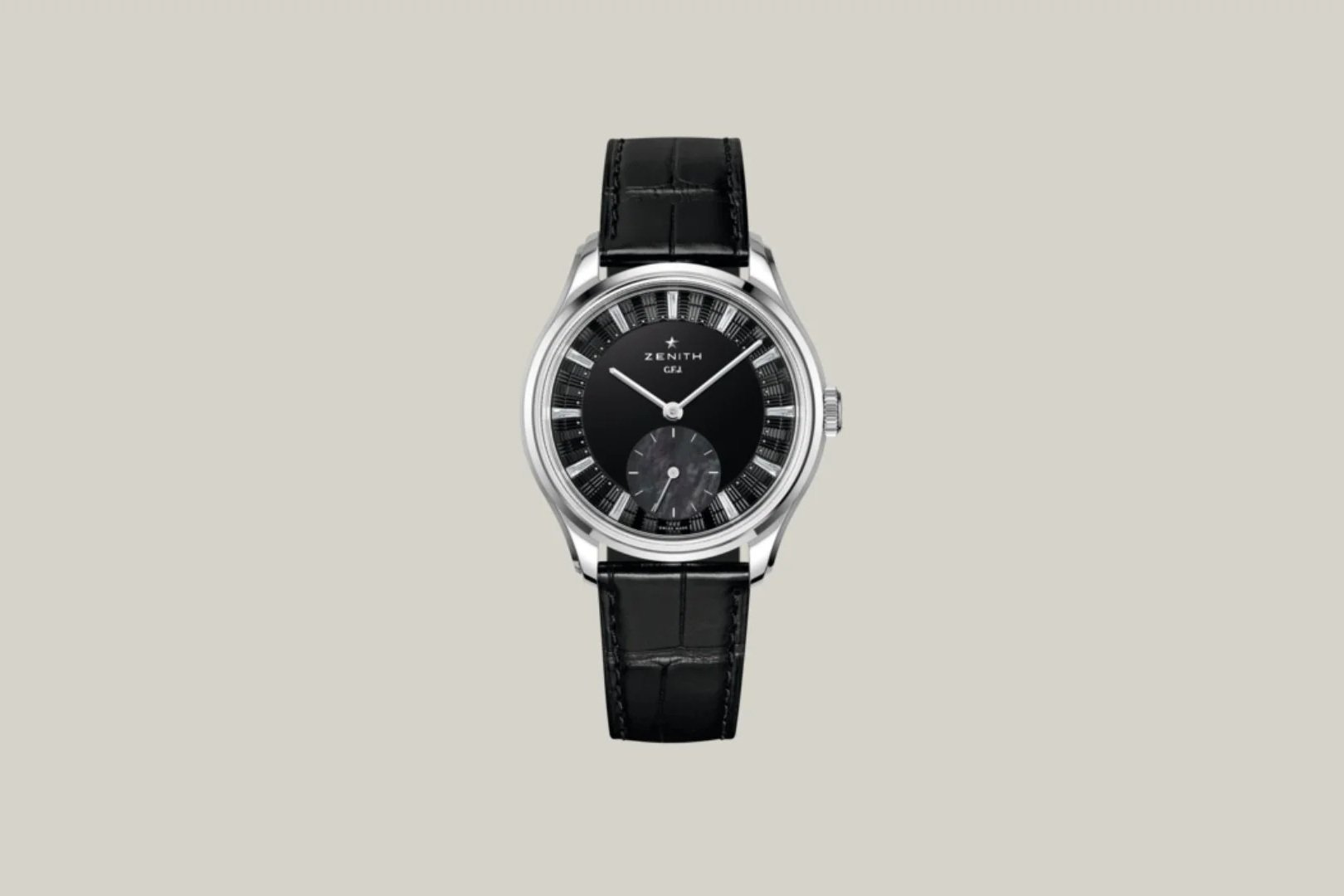
The tantalum version takes a completely different approach. Everything is more restrained, almost monochrome. It looks almost unremarkable at a glance because of the stealthy look. The case itself is the story here. Tantalum is dense, very dense, and extremely difficult to machine, and rarely used because it’s such a pain to work with. The payoff of this hardwork is a unique blue-grey tone that sits somewhere between matte and metallic.The dial follows that same logic. Black onyx at the center and a guilloché outer ring to tying it back to the manufacture’s façade. The only real departure is the set of baguette-cut diamond indexes, which add a bit of sharpness without turning the watch into something flashy.
Both watches obviosuly stick to the same proportions at 39mm. The relatively slim case and curved lugs that keep things super comfortable and wearable. There’s a clear nod to mid-century chronometers here, but nothing feels like a direct reproduction. Could this be the ultimate revival dress watch?
Turn either one of these watches over, and you will find a movement finishing that is consistent with the level of this watch: broad Geneva stripes, hand-chamfered edges, and a darker ruthenium coating tone that gives the caliber some gravitas. What stands out to me the most is how clinical and characterful these watches are. There is no date, no extra complications, no unnecessary design flourishes, and yet they have bucketloads of personality.
Final Thoughts
The G.F.J isn’t trying to compete with modern sports watches or complicated showpieces. And if you think it is, then you have completely misjudged this collection. These watches are about re-inviting the golden age of chronometry back into the spotlight. Since the 1980s, we have completey lost sight of the technical significance of such watches, and with these releases, Zenith are reaffirming their commitment to their history as one of the world’s most accurate watchmakers, in a fabulous and inimitable style as only they could.
Find out more about this watch here.