
A World’s First for Omega: The Two-Hand Watch That Changes Chronometer Certification

Omega is a brand whose value is widely recognized by enthusiasts, collectors, and customers worldwide. They are especially well known for their continued pioneering and devoted pursuit of precision. It is a brand that doesn’t usually feel the need to prove anything to anyone, particularly when it comes to precision. That’s been handled over decades, arguably even generations, of high-performance watchmaking. In short, they know exactly what they are doing. When they have announced new watches with even more precise and capable calibers, it has never felt momentous; it just feels like a continuation. However, this latest release feels like a lot more than just the next logical step. The Constellation Observatory is probably one of the most significant modern releases from Omega.
At first glance, you would be forgiven for thinking that it is just a clean and restrained take on the Constellation. Indeed, there is no seconds hand or obvious theatrics. And it does not need any gimmicks to prove its worth: this is OMEGA flexing in its own way by introducing the first two-hand watch to achieve full Master Chronometer certification. And whilst it might seem insignificant, it’s not a small deal.
The Basics
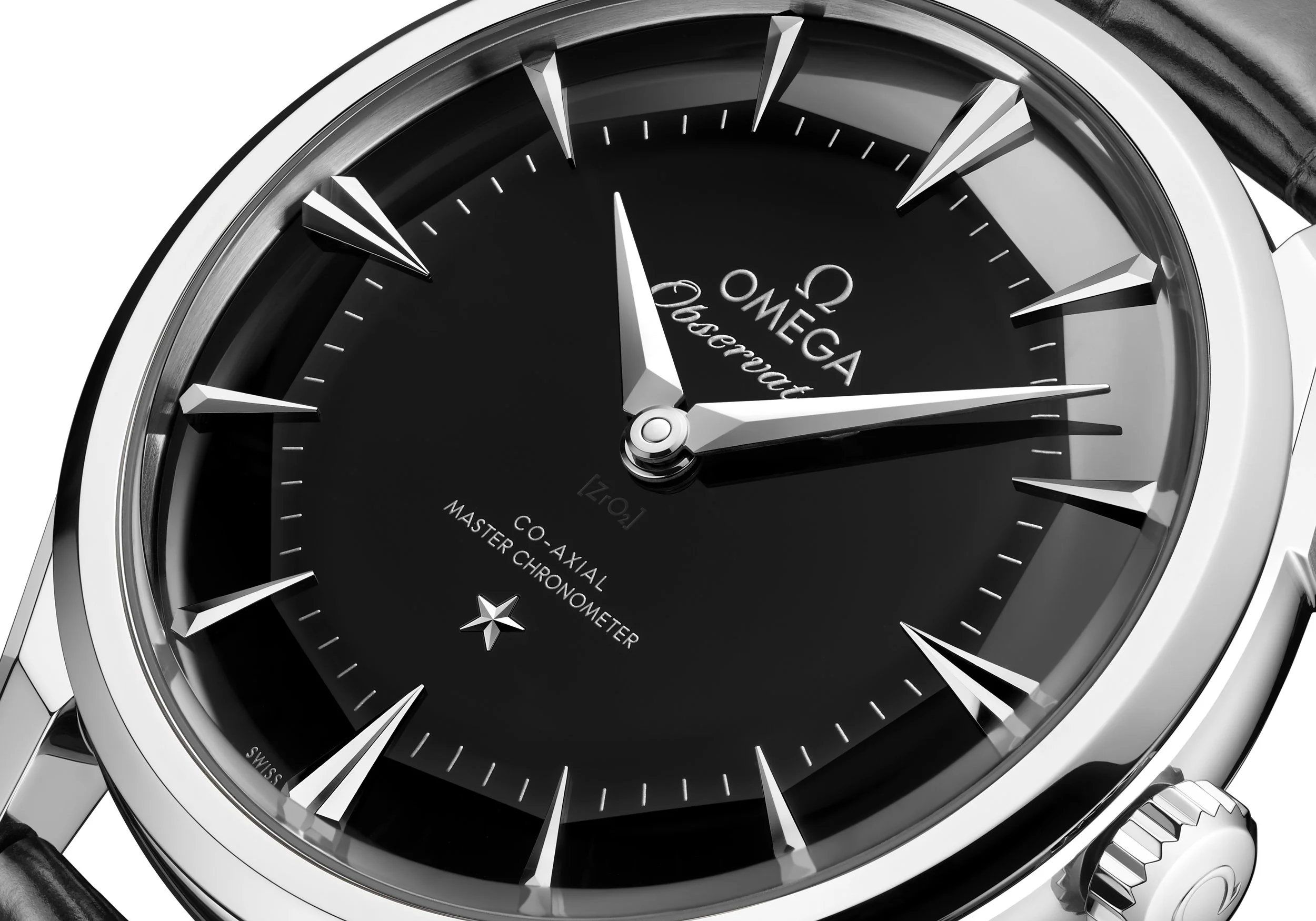
Case: 39.4mm, in Steel, Gold, or Platinum
Crystal: Sapphire
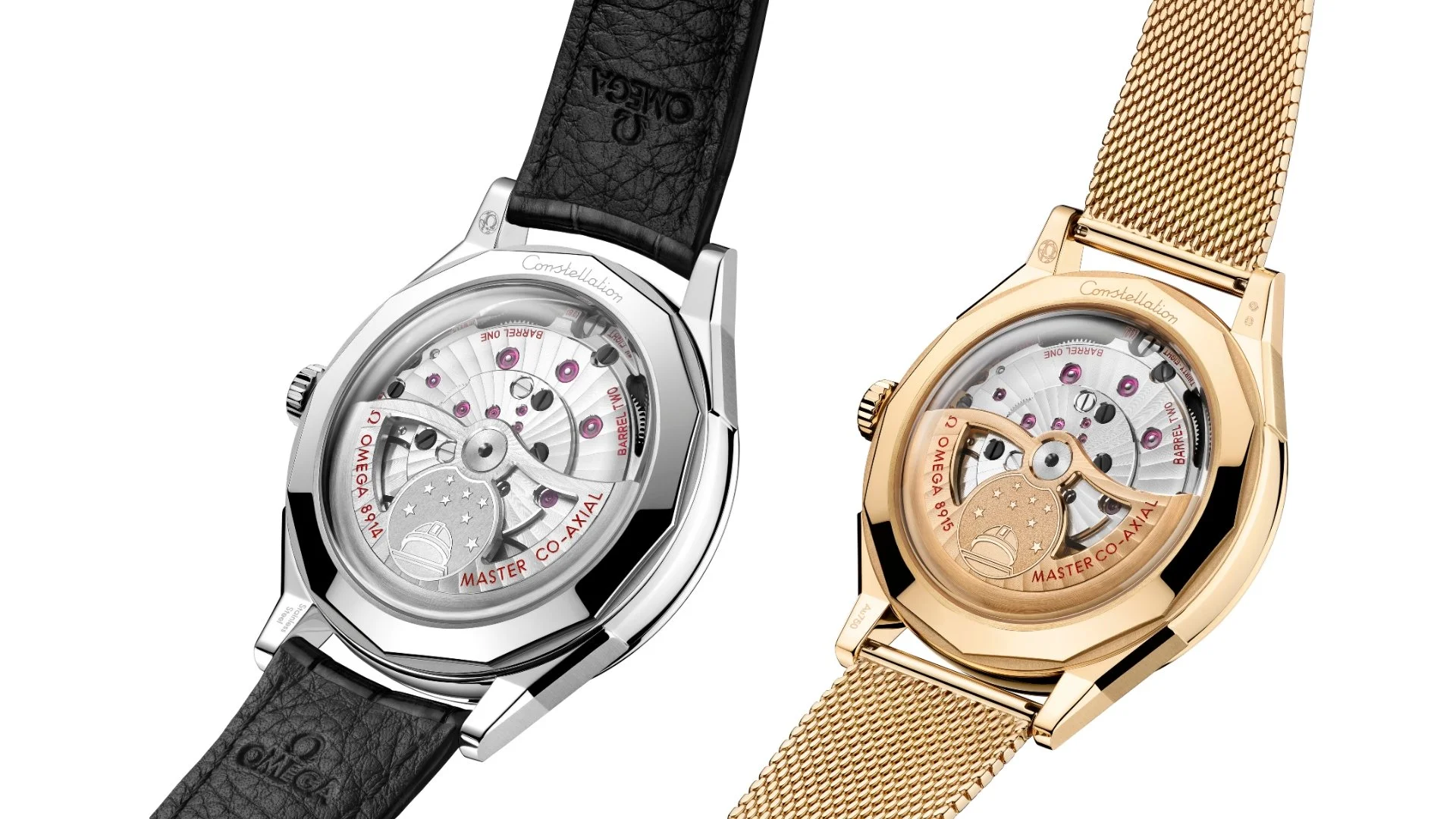
Movement: Calibre 8914 (steel models) / Calibre 8915 (precious metals), Master Chronometer certified.
Water Resistance: 30m
Strap Options: Leather straps or metal bracelets depending on configuration
Price: Not specified
Availability: Online and in Omega boutiques/Authorised Dealers
The Juice
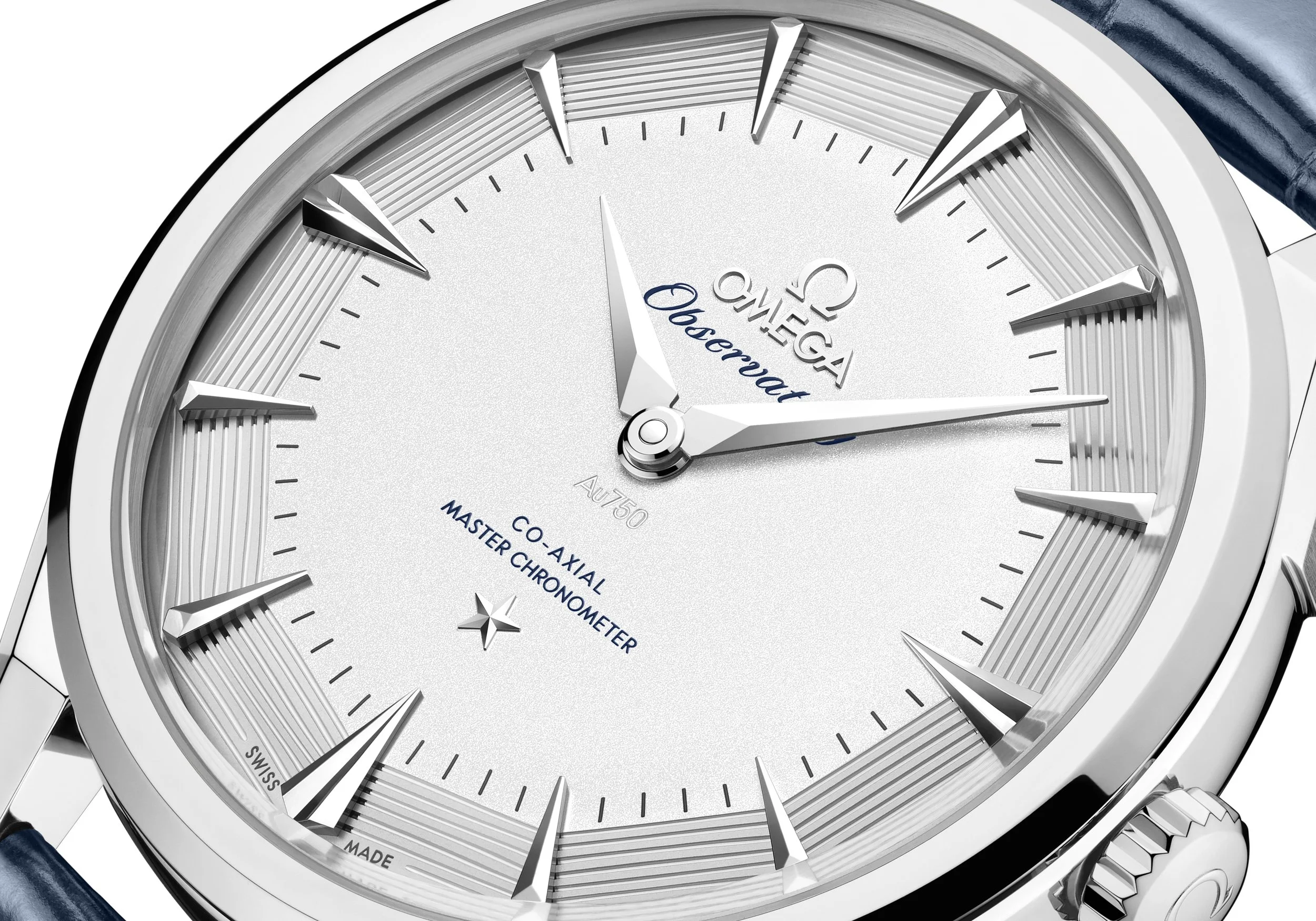
I will start by reiterating the headline: this is the first two-hand watch to pass Master Chronometer certification. That might sound like a niche technical footnote, but it’s actually a pretty fundamental shift that has had significant repercussions for precision certifications. Traditionally, certification relies on tracking the seconds hand visually. But with no seconds hand, how can you track accuracy? You can’t, or at least you could not…Essentially if you had no seconds hand, you would not get certification for your watch. Simple. In itself, this procedural limitation really constrains high-performance watch design.
How did Omega work around this? They re-wrote the rulebook. Their new testing process, developed by the Laboratoire de Précision, uses acoustic monitoring instead. Simply speaking, the watch is listened to rather than visually tracked. Every beat is captured continuously over 25 days, alongside environmental data like temperature and pressure. I think that this is a clever solution that has momentous implications for the wider industry and opens the door to more innovative pieces. Two-hand watches have always had this slightly dressy, almost less “technical” reputation. But those days are long gone. This is a minimalist format that can legitimately claim top-tier precision credentials, and I am certain that we will see more and more being released over the next few years.
Design-wise, this new collection leans heavily into the Constellation heritage but has a refined and finished feeling to it: it appears to be the summit of the lineage. You get the familiar pie-pan dial, reworked here with sharper, more pronounced geometry. Not eveyrhting has been reworkded: the applied star at 6 o’clock is still there like it has been forever and a day. The Observatory medallion on the caseback as well, which makes perfect sense given the context. It’s all very considered, almost like Omega went back through its own archive and picked out the elements that actually matter.
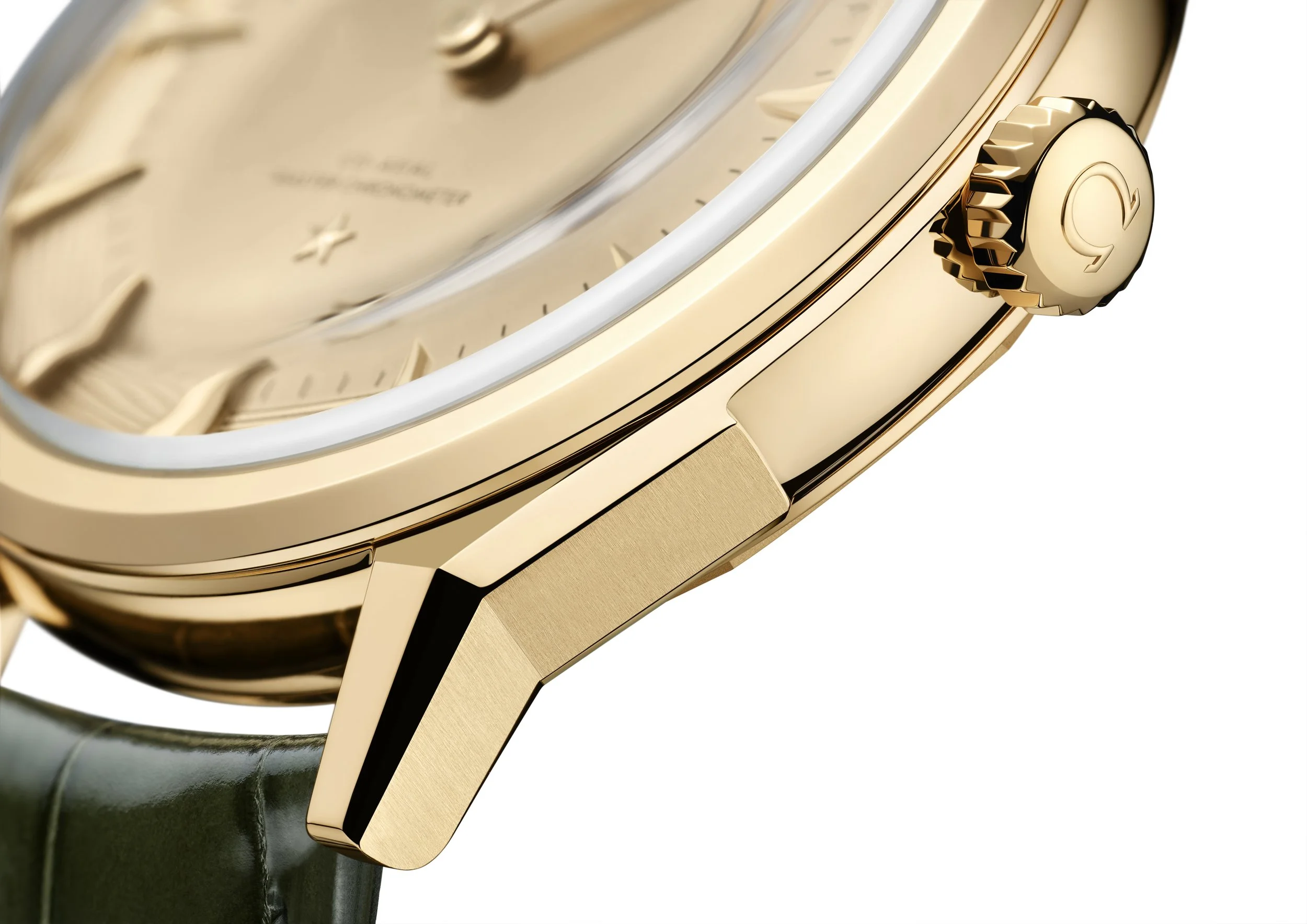
The case size lands at 39.4mm, which feels like a deliberate middle ground: modern enough, not oversized and not undersized, either. And across the collection, there’s a clear tiering: steel multiple gold executions, and a full platinum piece that’s more about showcasing material capability than everyday wearability. The precious metal pieces are exquisitely opulent, especially the monotone gold iteration: it is a real gem.
Underneath, the new calibres, the 8914 and 8915, follow Omega’s familiar playbook of anti-magnetic construction and Co-Axial escapement principles, but the real story is how they integrate with this new testing regime. Even on their dressiest pieces, it is reassuring to see that Omega fully commit to offering the top level of movement protections. The movements aren’t just accurate, they are high-performance and bomb-proof. I would argue that 007 could definitely been seen wearing one of these in years to come.
Final Thoughts
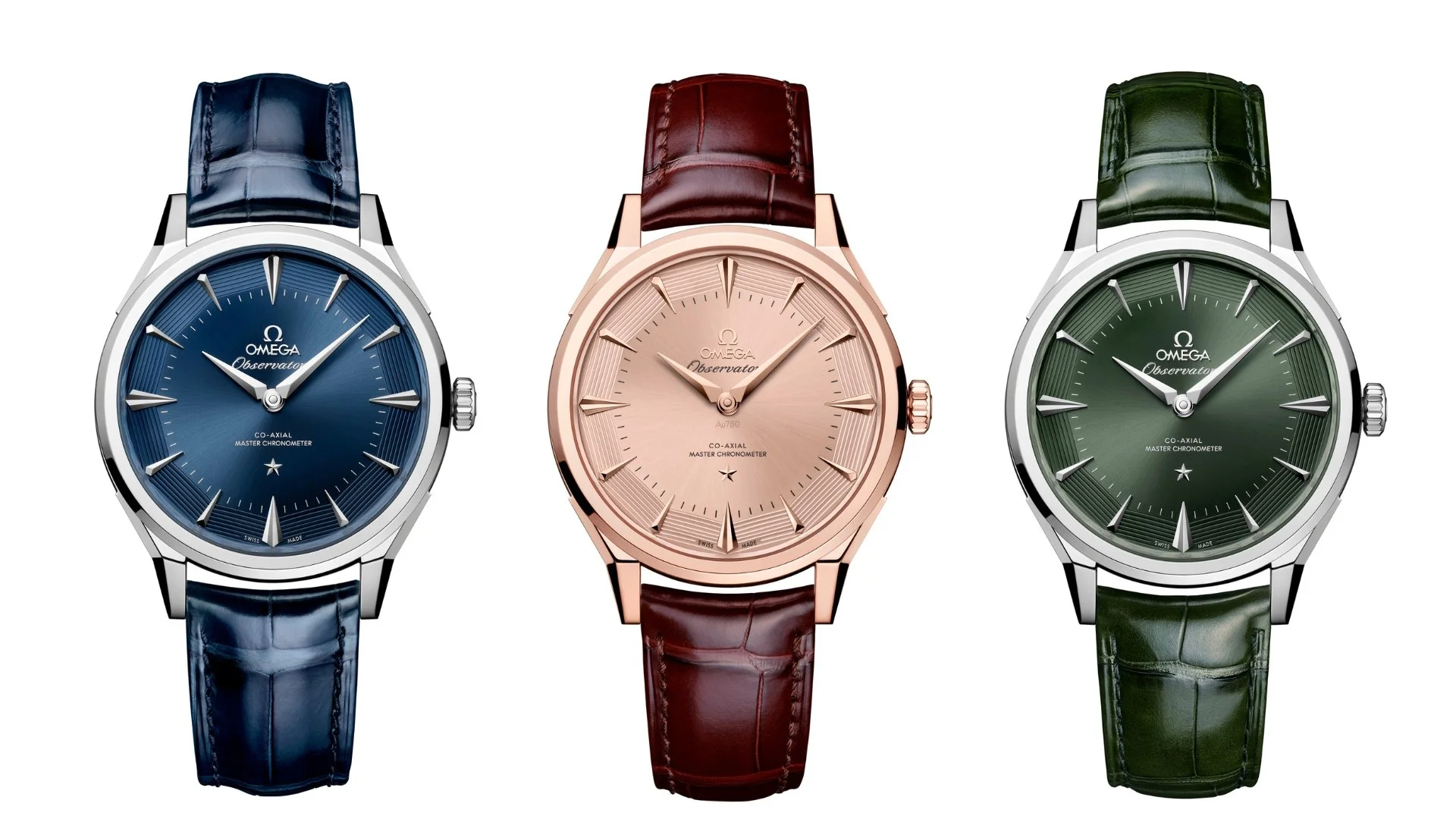
The Constellation Observatory isn’t the kind of watch that shouts for attention. It doesn’t have a flashy complication or a theatrical design hook. And yet, it is probably one of the more important releases we’ve seen from Omega in recent years. This isn’t just a new watch, it’s the opening of a new way of thinking about watch certification, that has implications beyond Omega. If acoustic testing becomes more widely adopted, it will shift how brands approach both design and validation going forward.
From a wearer’s perspective, though, it’s simpler than that. You’re getting an excellently executed Constellation with serious technical pedigree. Obviously, the Constellation is a historic and slightly underrated design that deserves a ton of attention from collectors and enthusiasts. As it stands, this watch is unique in the market and that alone makes it stand out to me.
Find out more about these new watches here.