This “Chinese” Watch Now Has a French Heart: Atelier Wen Perception V3 Yun Review
Atelier Wen’s Perception has quietly become one of the most recognizable integrated bracelet designs outside the usual Swiss suspects. It built that reputation on a very specific pitch: Chinese design, Chinese craftsmanship, Chinese movement, all executed at a level that invited comparison to established players from Switzerland and Japan. With the new Perception V3, that equation changes in an important way. The watch is still visually and conceptually rooted in Chinese culture, but the engine inside now comes from France.
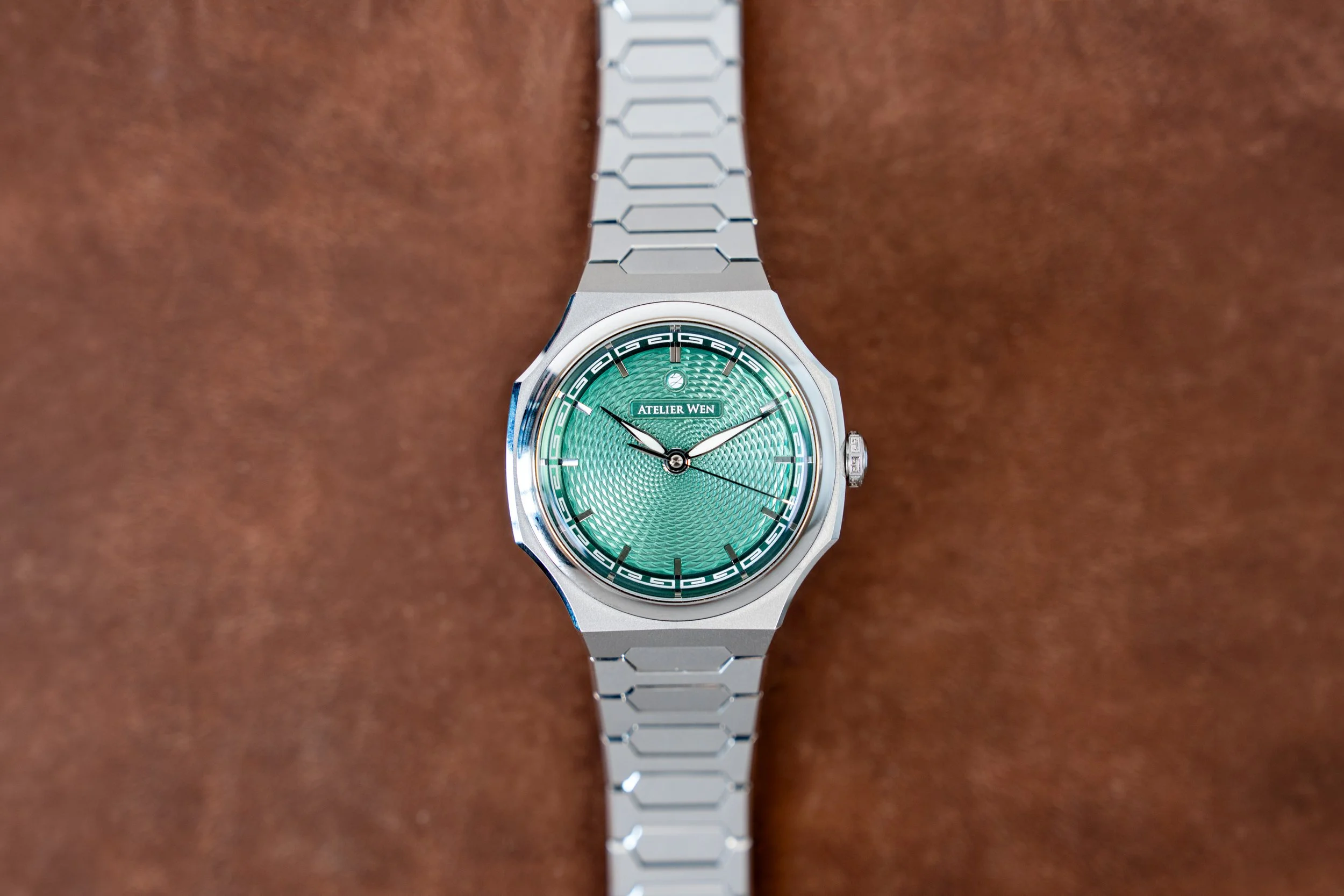
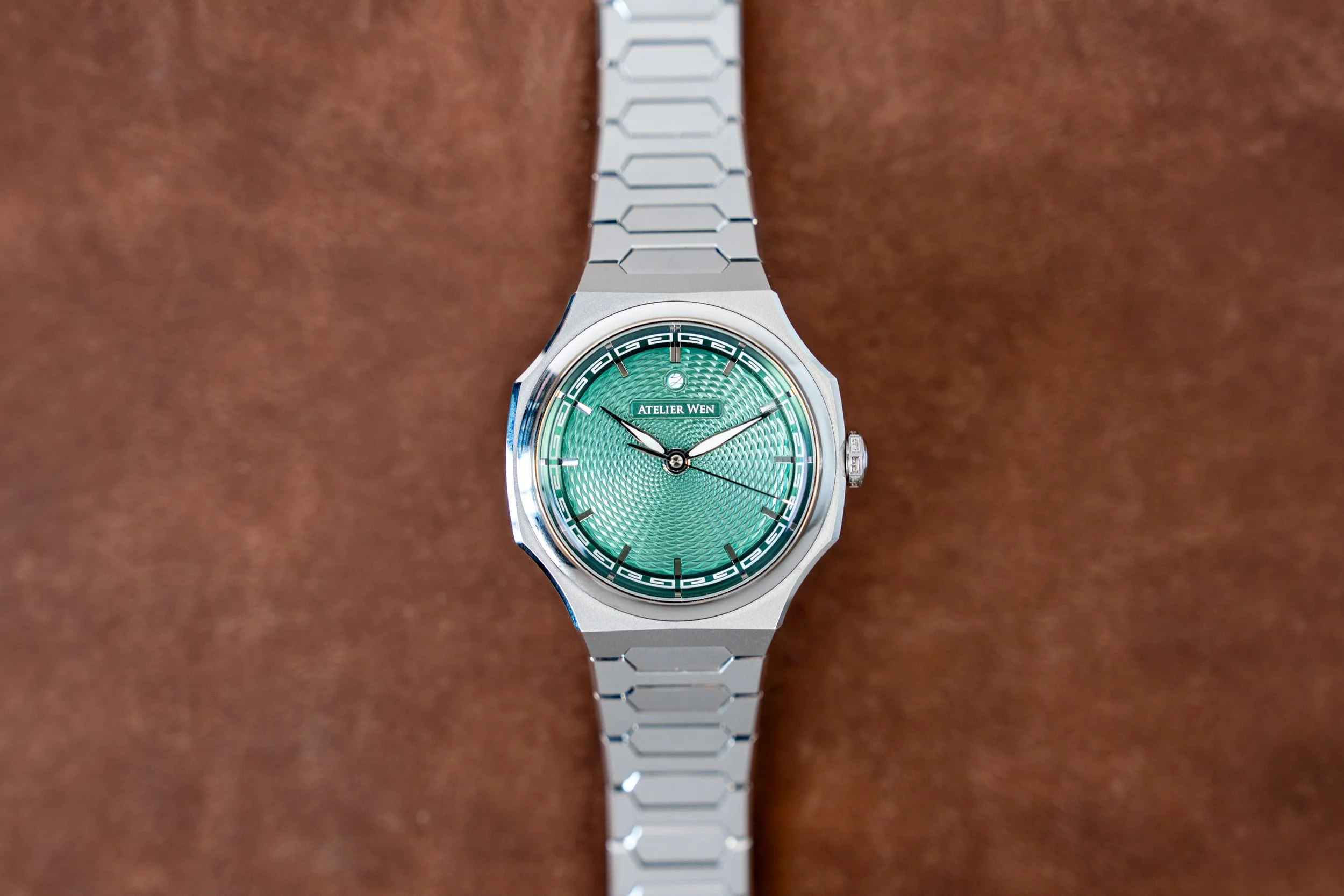
I spent time with the green “Yun” version of the Perception V3, the first new core dial color in the line since launch, and the one that introduces a full micro blasted case and bracelet with polished accents. It is, in my view, the best version of the Perception to date and the one that most clearly expresses what Atelier Wen is trying to be: a truly Sino French watch brand, not just a Chinese microbrand with nice dials.
Specs and first impressions
On paper, the Perception V3 looks similar to previous generations. The case is still 40 mm across, around 47 mm lug to lug, and now 10.4 mm thick in 904L stainless steel. Water resistance remains a very practical 100 meters, and you get a double domed sapphire crystal up front and a sapphire display back.
In person, those numbers do not tell the full story. The Perception V3 wears smaller than 40 mm would suggest, largely thanks to a thoughtful lug architecture. The lugs curve down aggressively and the first links of the bracelet follow that curvature, so the watch hugs the wrist rather than spanning it like a flat plank of steel. Visually, it feels closer to a 38 to 39 mm integrated sports watch than a true 40, and that makes it workable on a range of wrist sizes.
Thickness is up by roughly a millimeter compared to earlier iterations. In the integrated bracelet world, being under 10 mm has become a bit of a bragging right, and on paper the jump to 10.4 mm might raise an eyebrow. On the wrist, though, that extra height is not a deal breaker. The curved case, the sloping lugs, and the way the bracelet articulates prevent the watch from feeling top heavy, and in return you get a significantly more interesting movement and caseback view. It is a trade off that makes sense in context.
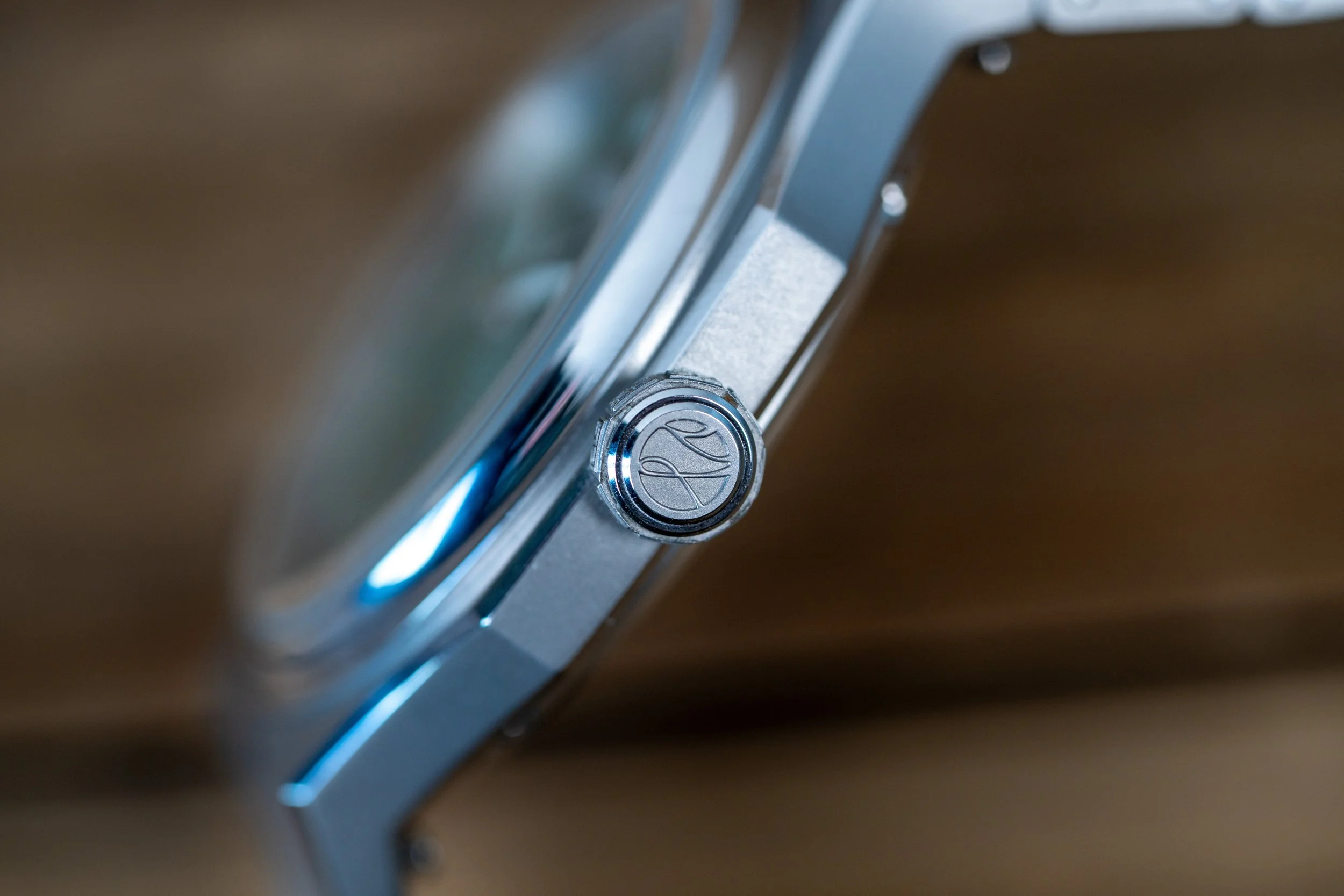
Design: Nautilus echo, but its own thing
It would be disingenuous to pretend the Perception exists in a vacuum. There is clearly some Nautilus adjacent DNA in the overall silhouette, particularly in the “ears” or flared case flanks that give the watch that familiar horizontal spread on the wrist. If you are a fan of integrated steel sports watches, you will recognize the category at a glance.
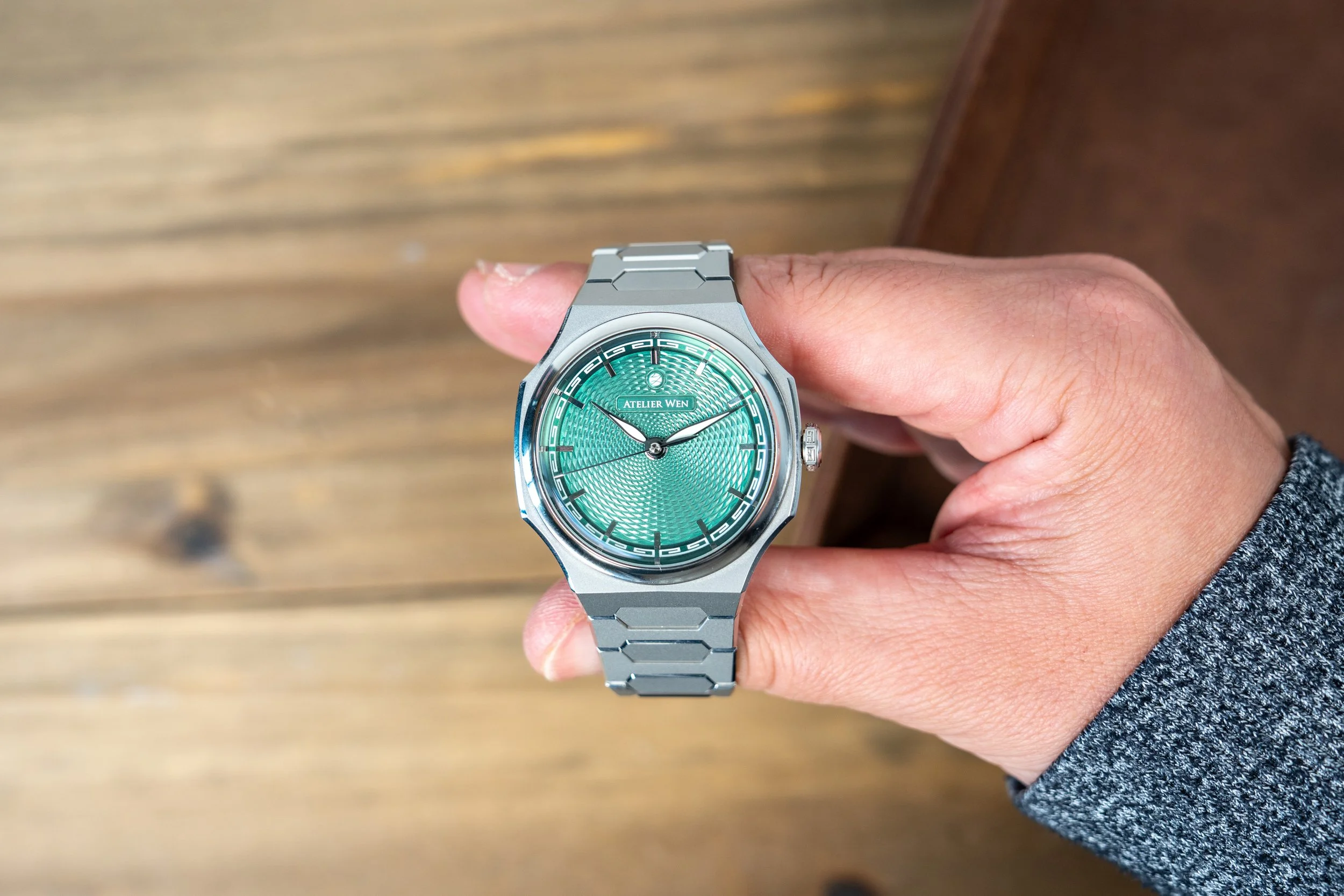
However, in the metal, the Perception V3 Yun reads as very much its own watch. The bezel geometry, the scalloped, almost pagoda like case sides, and the facets of the lugs all deviate from the classic Genta playbook. The bracelet’s hexagonal center links and the way the facets pick up light also give it a distinctly different personality.
Where the watch really parts ways with the typical Swiss template is in how explicitly it draws from Chinese architecture and decorative motifs. Viewed from the side, the case profile evokes sweeping pagoda roofs. The dial and chapter ring carry patterns that are specifically Chinese rather than generically “luxury.” This is not a sterile integrated design that happens to be made in China; it is a watch that is visually about China.
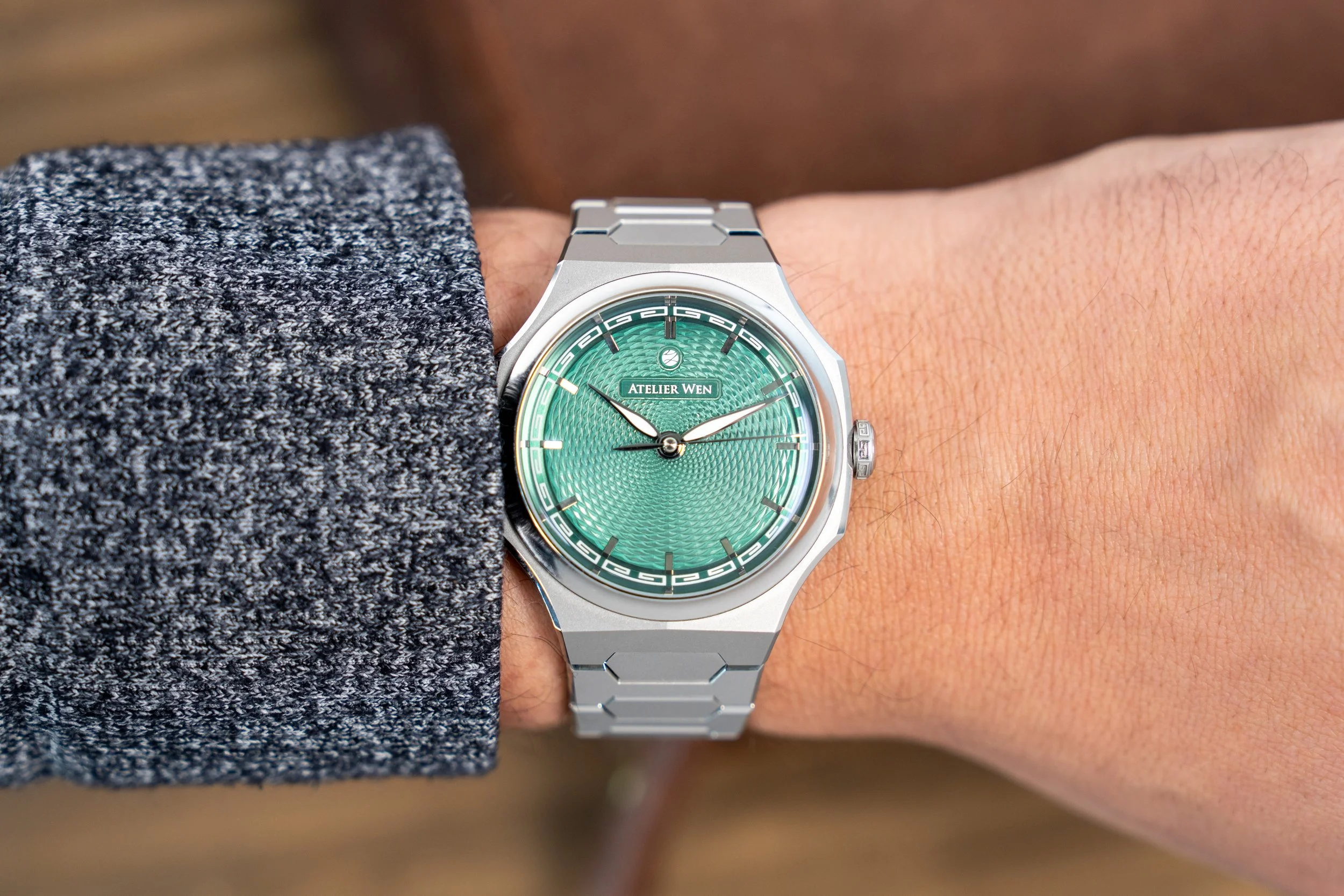
The Yun bamboo green: the one to get
The Perception V3 is available in three colorways: Pio in ice blue, Xi in salmon, and Yun, which is the bamboo green model reviewed here. Pio and Xi retain a more familiar mix of directional brushing and polished bevels on the case and bracelet. They look great and will appeal to anyone who wants a slightly more conventional take on an integrated steel sports watch.
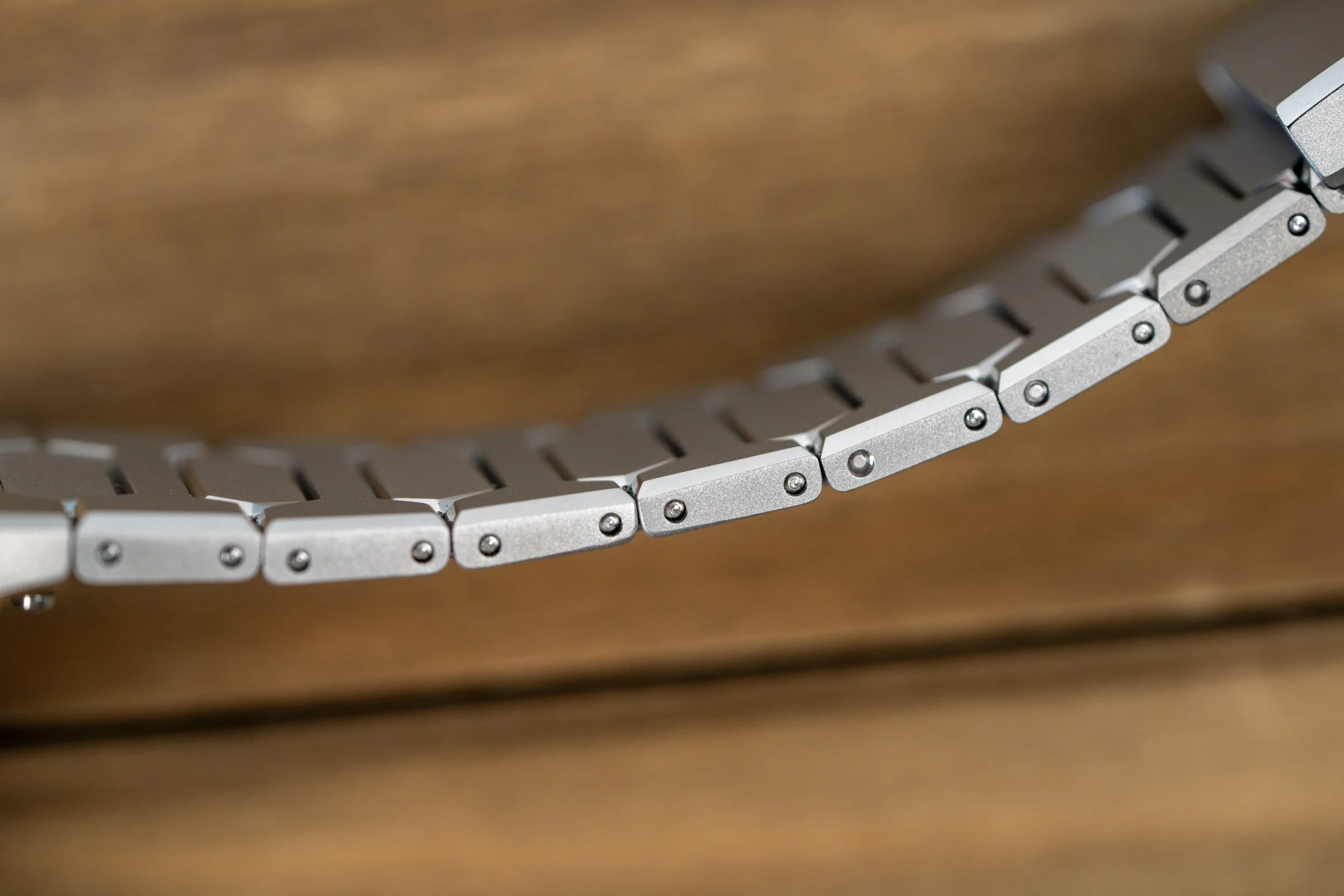
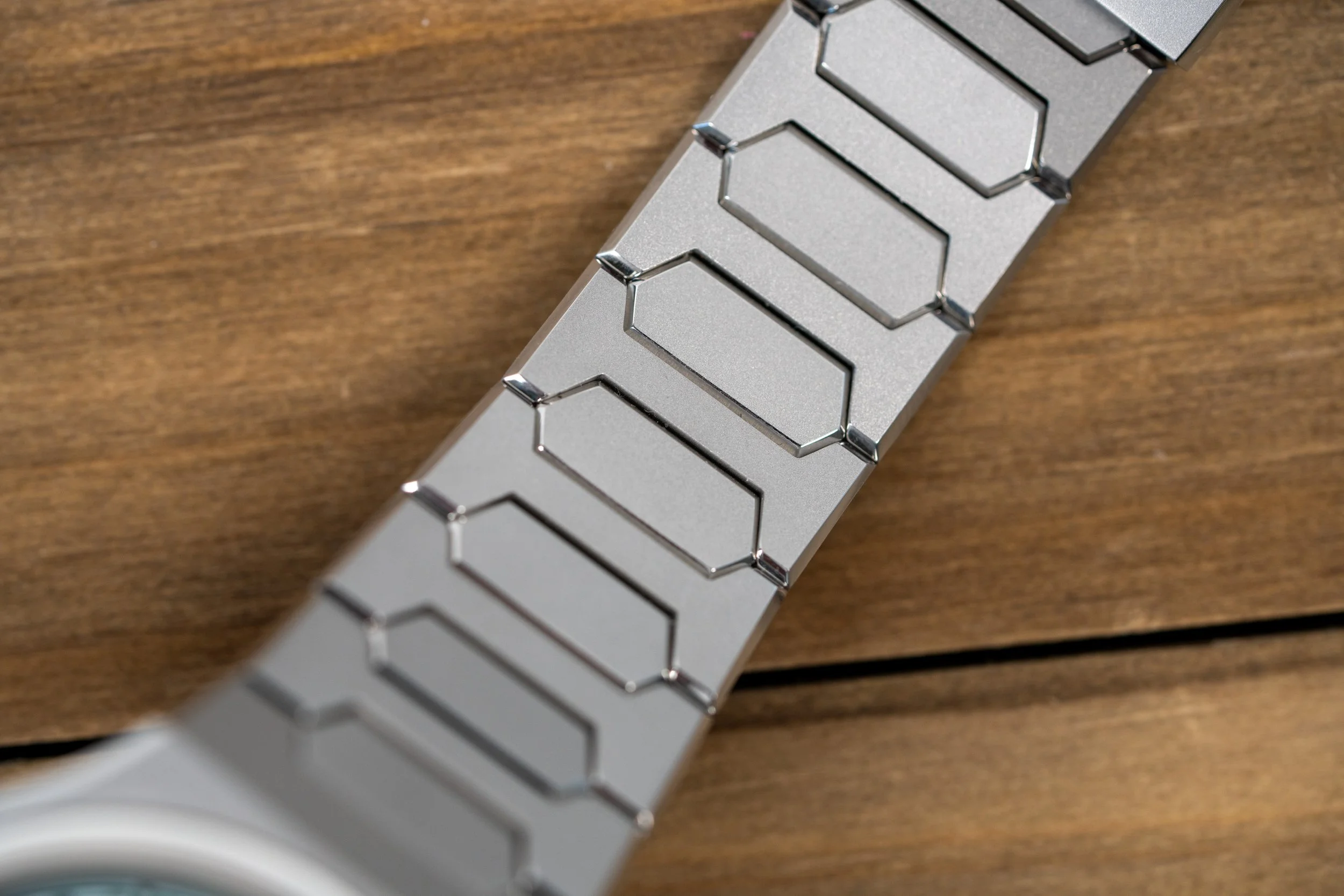
Yun is different. On Yun, Atelier Wen replaces the usual brushing with an all over sandblasted or micro blasted finish on the case and bracelet, while retaining razor sharp polished bevels and edges. The result is surprisingly modern and architectural. The matte surfaces absorb light, letting the polished lines act as bright highlights that trace the geometry of the watch. It feels more like an object carved from a single piece of metal than a traditional case plus bracelet combo.
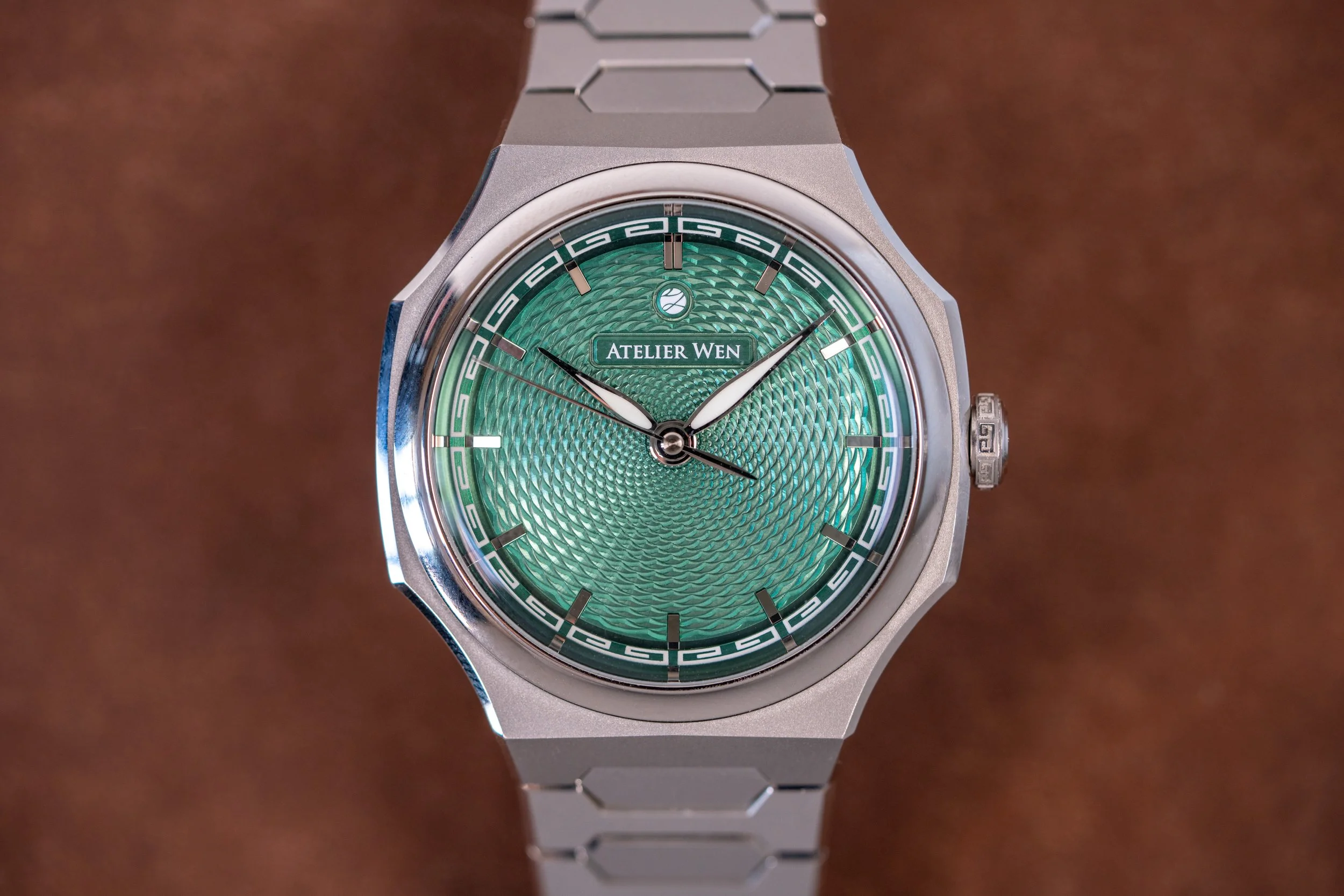
The green itself is nuanced. It is not a loud, saturated “sports car green,” nor is it a mossy, vintage tone. It lives somewhere in a bamboo, minty, slightly aqua territory that shifts noticeably with the light. Under softer lighting it reads as a calm, pale green. Under stronger light, the guilloche catches reflections and introduces depth and sparkle. It manages to be distinctive without becoming a novelty color you will get tired of.
For me, Yun is the version that leans hardest into the brand’s stated inspiration. The name references bamboo; the micro blasted texture gives the metal a soft, almost organic character; and the way the color interacts with the fish scale guilloche pattern feels more like a deliberate piece of design than “we did green because green sells.” Out of the three, this is the variant that feels the most contemporary and the most “Atelier Wen” rather than a riff on existing Swiss ideas.
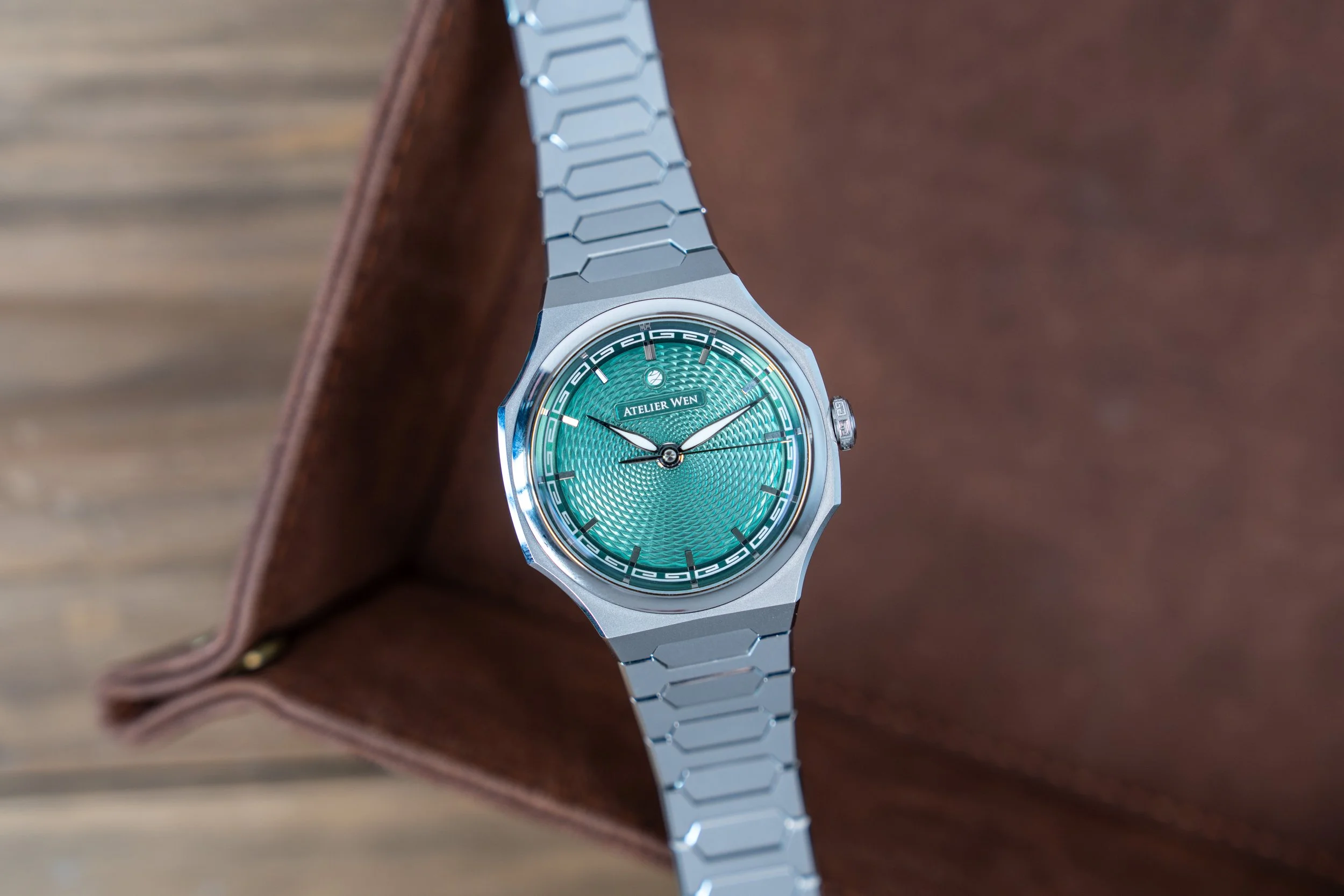
Dial and case: where the Chineseness lives
If you strip away the conversation about movements and price for a moment, it is clear that the Chinese identity of this watch is primarily expressed through its dial and case.
The dials are hand guilloche, produced by Master Cheng Yucai and his workshop in Henan on traditional rose engines. Each dial takes hours of manual work on a hand operated machine with a diamond tipped tool. The Perception’s signature pattern is a fish scale motif, with curved lines that crisscross and radiate from the center, creating a surface that shimmers and shifts as the watch moves. This is not stamped “guilloche style” decoration; it is the real thing, from a named workshop in China.
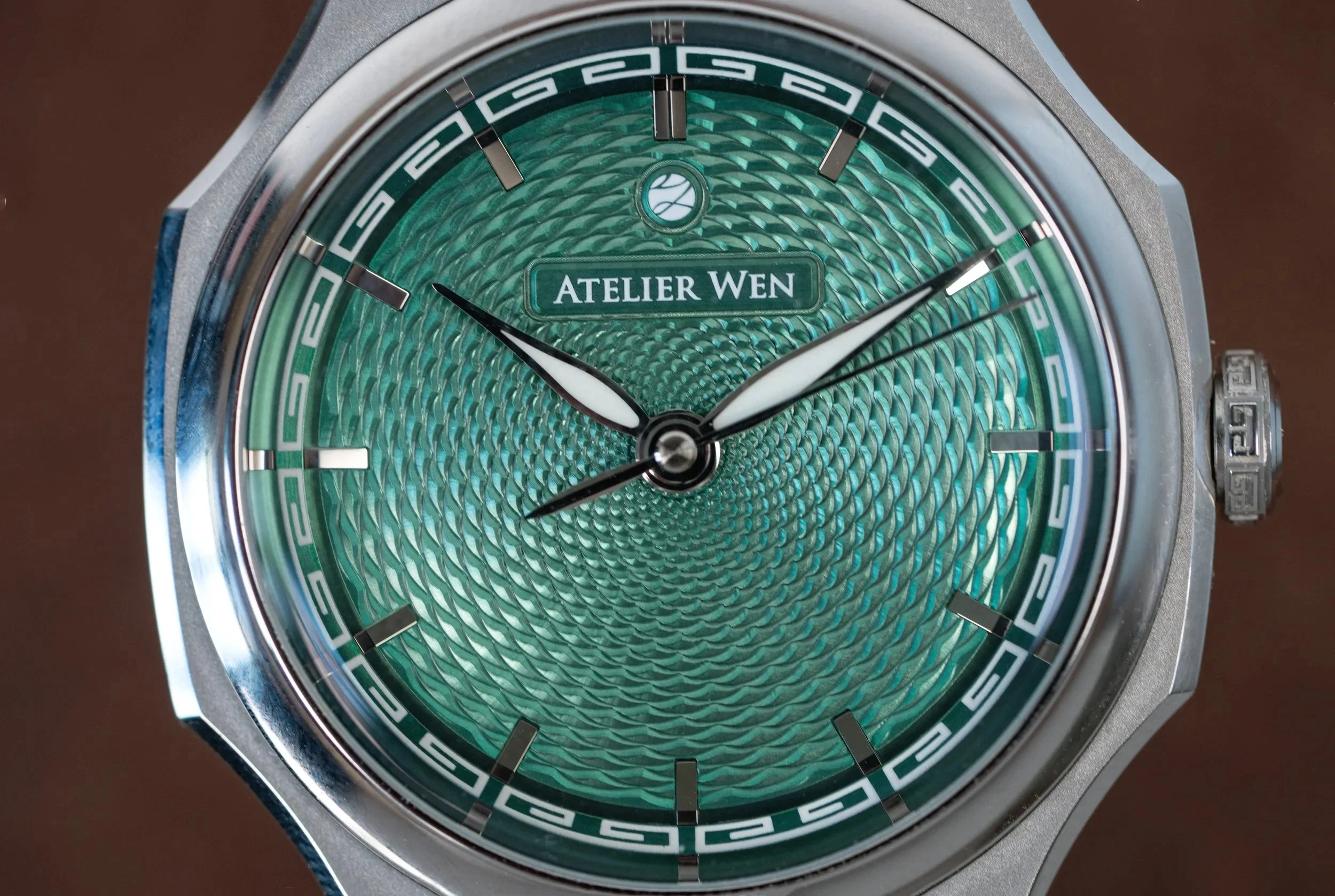
Color is not an afterthought, either. Pio is meant to evoke distant mountains at dawn. Xi recalls the warm sky before dusk. Yun references the smooth skin and resilience of bamboo. These are not marketing phrases pulled out of a hat; the tones actually do line up with those images when you see them.
The hour markers are applied in a way that reflects traditional Chinese design principles. They are friction fit into cutouts in the dial and locked in place by an elevated chapter ring, rather than being secured from beneath with pins or glue. That chapter ring carries a repeating Chinese geometric pattern, printed in lume and functioning as a combined minutes track and decorative border. Combined with the feuille style rhodium plated hands and the leaf echoing seconds hand counterweight, the whole dial layout feels intentional and cohesive.
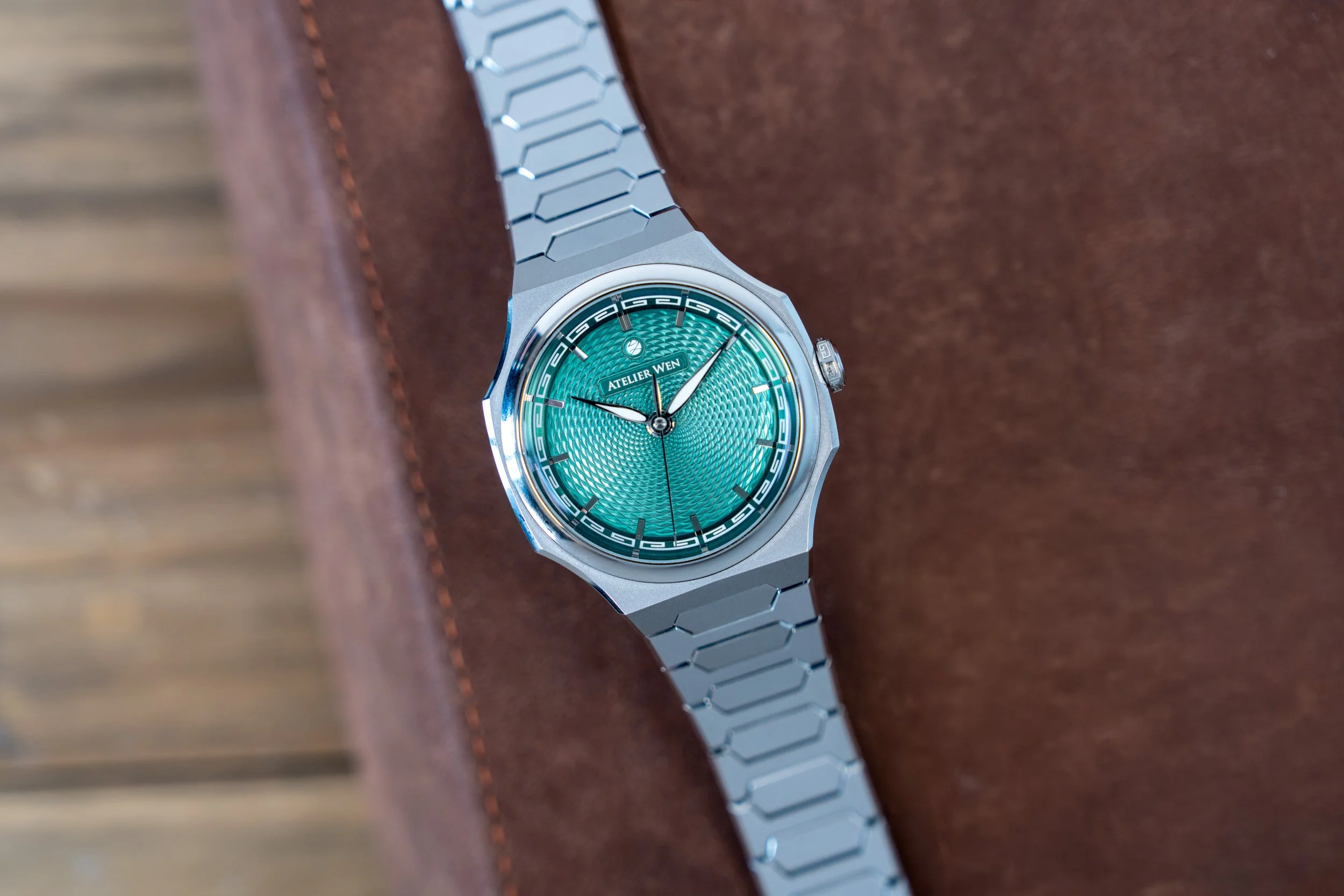
The case carries the architectural side of the story. Lines and facets are drawn from traditional Chinese structures, especially around the lugs and case sides. On Yun, the move from brushing to micro blasting amplifies those shapes by turning the polished bevels into sharp, bright outlines against a matte ground. Even the crown repeats the dial motif, tying case and dial together visually.
When I wear the watch, that is what I notice first and most often. I am not thinking “this is Chinese because the movement is Chinese.” I am feeling the Chinese inspiration in the architecture, the patterns, the hands, the dial work, and the way the color is used.
On the wrist
Specs are one thing, but the wearing experience is what matters day to day. Here, the Perception V3 holds up very well.
On my wrist, the 40 mm case never feels oversized. The curved lugs and first links help the watch sit low and conform to the wrist, which mitigates the increase in thickness versus previous versions. The watch still slips under a shirt cuff easily, and the weight is well balanced from head to bracelet.
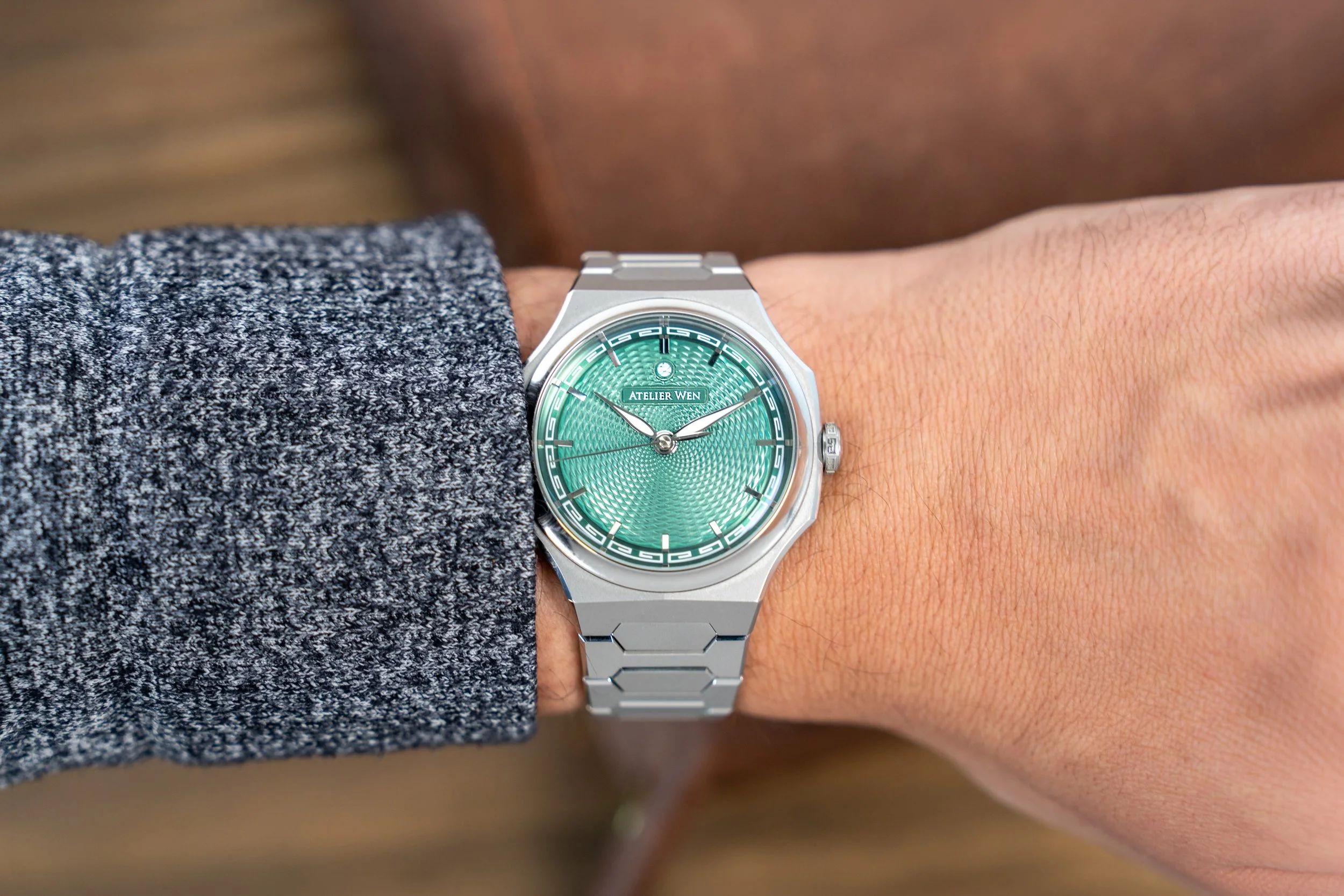
The integrated bracelet is a highlight. It tapers from the case to the clasp, and the links themselves get thinner toward the clasp, which keeps the bracelet from feeling chunky or blocky as it wraps around the wrist. The finishing on Yun is particularly satisfying. The micro blasted surfaces have a silky feel, while the polished facets give the bracelet a sense of precision as they catch the light.
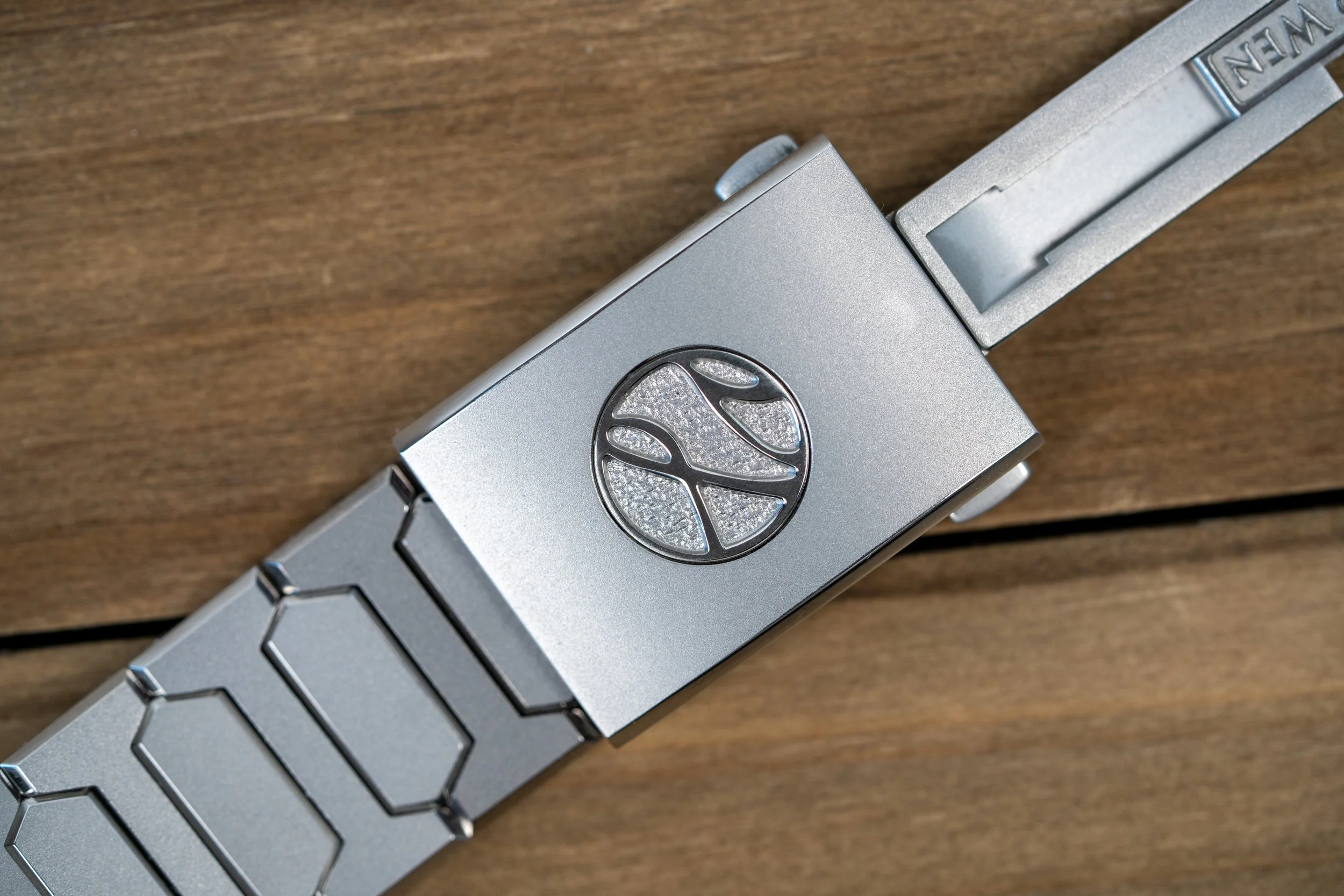
Functionally, the clasp is well thought out. You get a push button folding clasp with an on the fly micro adjustment mechanism that is activated by the Atelier Wen logo. That makes sizing on a hot or cold day trivial, a detail that matters once you live with the watch. The clasp architecture has been refined since the V1 era, with a shorter folding arm that keeps the whole thing from flaring out on smaller wrists.
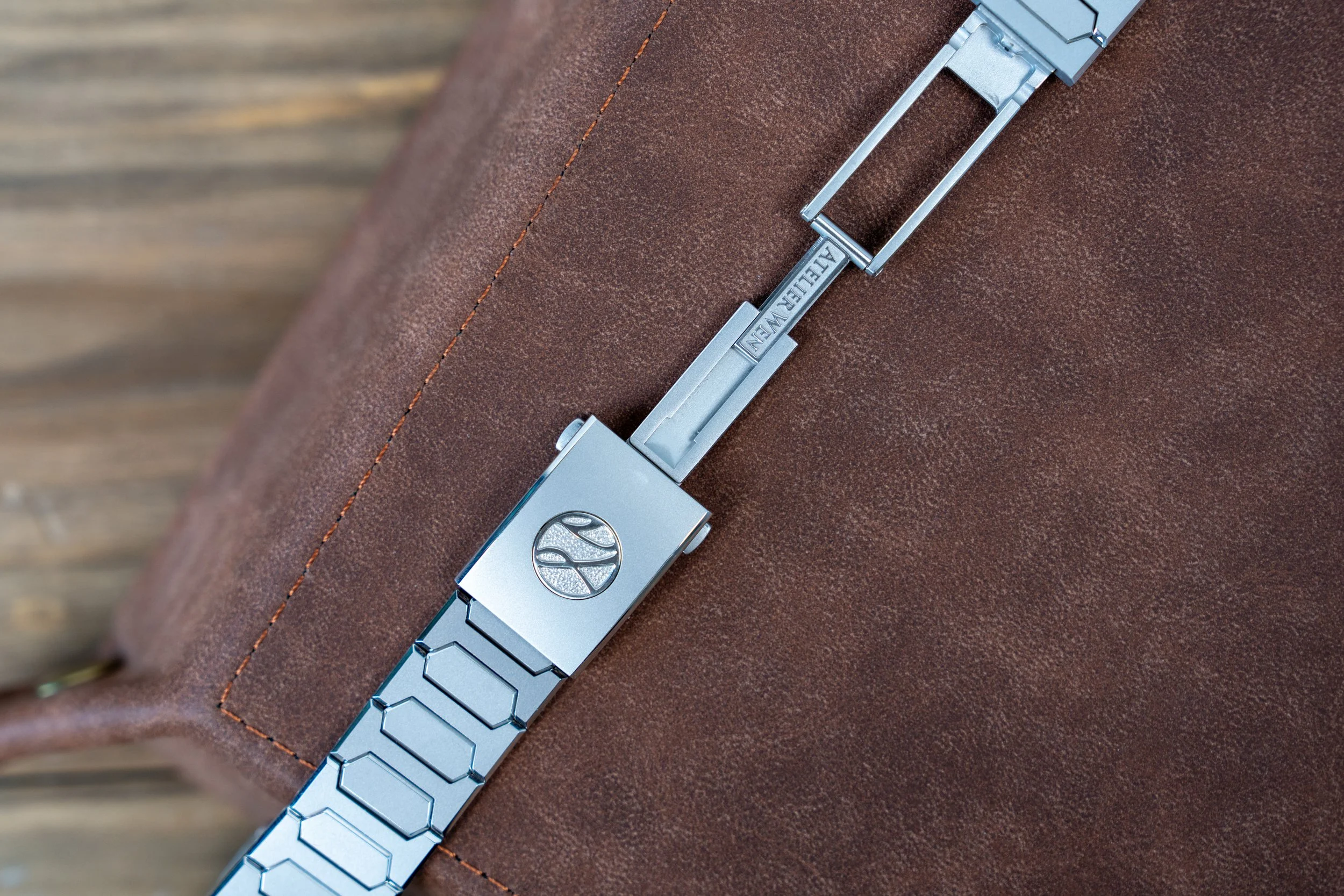
The sandblasted finish on Yun also affects how the watch reads in public. It is less “shiny steel bracelet” from a distance and more a subtle, matte presence. Up close, though, the polished edges and the guilloche dial give you all the sparkle you could want. It feels discreet until you choose to show it off.
Movement: from China to France
The question that will dominate any discussion of the Perception V3 is the movement. Previous Perception models used a Chinese automatic caliber from Dandong. It was a logical choice for what Atelier Wen was doing at the time: keep costs under control, stay true to the brand’s mission of championing Chinese watchmaking, and deliver strong value versus Swiss and Japanese competition.
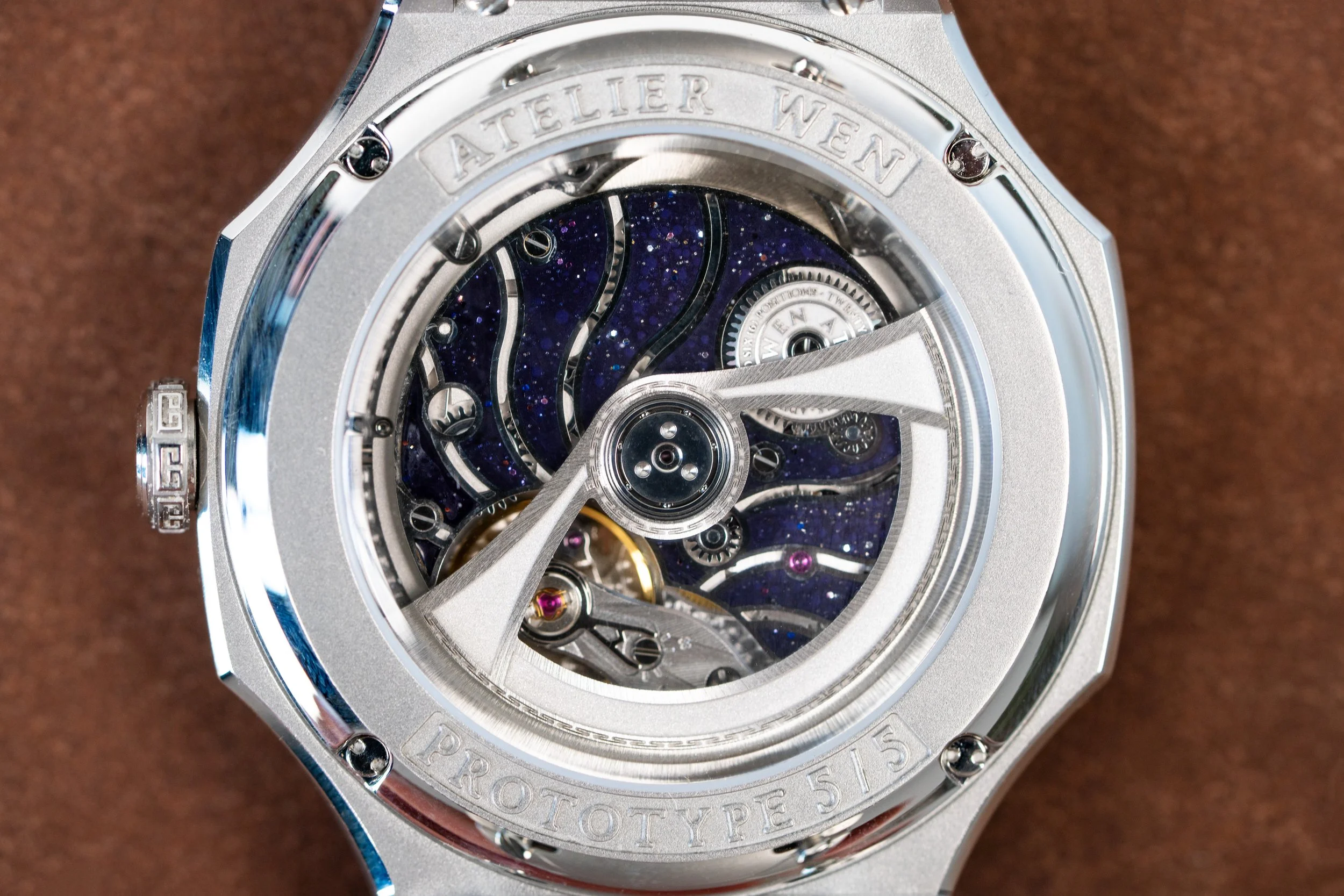
With V3, Atelier Wen has moved to a customized version of the Pequignet EPM03, a French manufacture automatic movement. Pequignet is one of the last independent movement makers in France, based in Morteau near the Swiss border. The EPM03 is designed and assembled in house and already had solid technical credentials before Atelier Wen got involved.
For the Perception V3, the movement is not used off the shelf. Atelier Wen reworked the bridges to incorporate curved forms that reference traditional Chinese representations of wind, then filled them with blue aventurine lacquer. The result is a set of shimmering, deep blue surfaces speckled like a night sky. It is an unusually artistic treatment at this price point and one that plays directly into the watch’s overarching theme of Sino French collaboration.
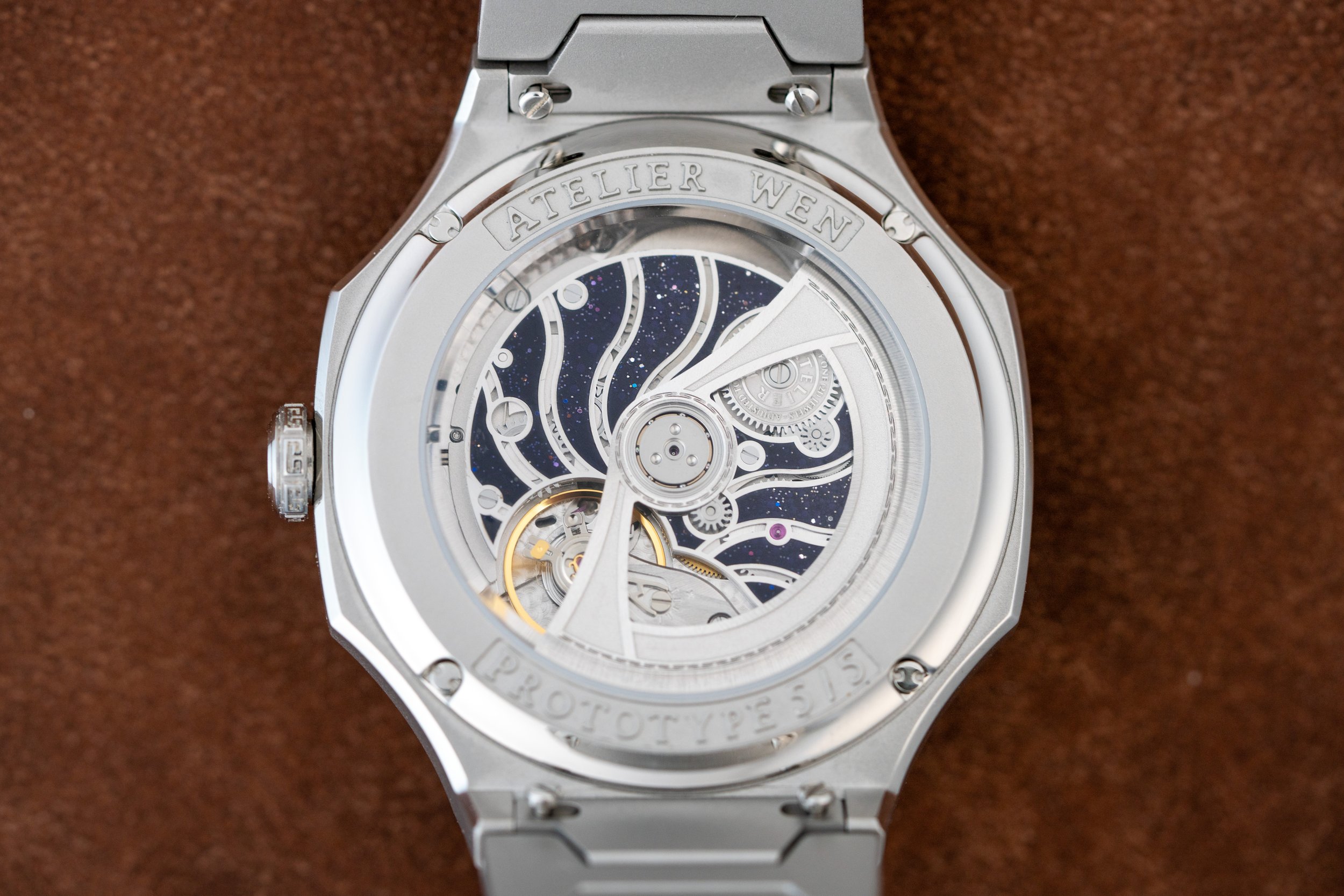
Beyond aesthetics, the EPM03 brings real technical improvements. You get hacking seconds, a healthy power reserve, and regulation to chronometer style tolerances. The winding system is bidirectional, and the movement architecture is decorated with a mixture of Cotes de Geneve, perlage, snailing, frosted rotor surfaces, and black polished screws. Crucially, you now get a full exhibition caseback that actually rewards a glance.
Does this change the Chineseness of the watch? In my view, not in the way some might fear. It does shift the narrative. The Perception is no longer a fully Chinese product in terms of movement sourcing. But given that the brand was founded by two Frenchmen who explicitly set out to blend their French background with Chinese craftsmanship, moving to a French movement in the more expensive iteration feels like an honest acknowledgement of that dual identity rather than capitulation.
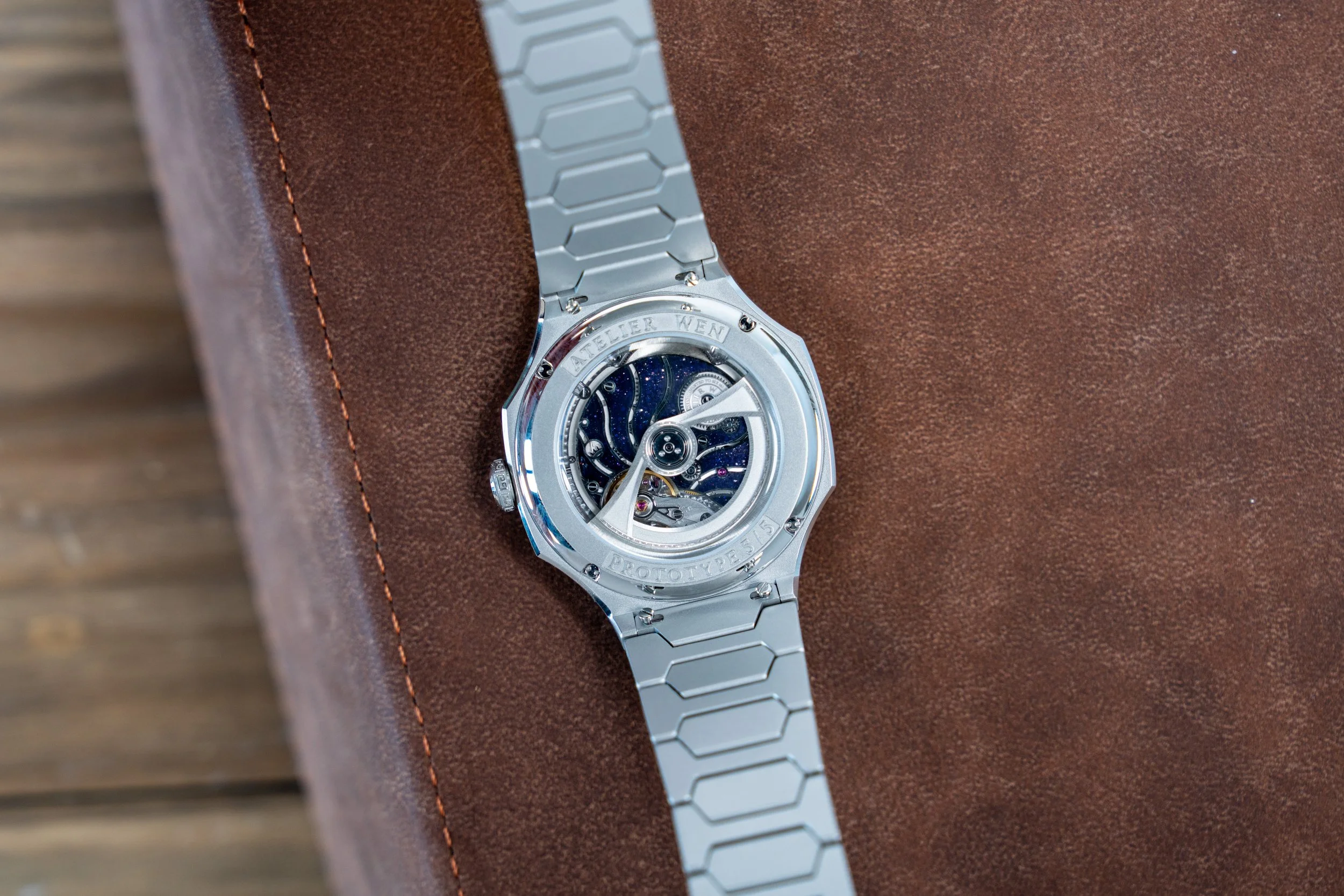
If your personal priority is supporting Chinese movements specifically, earlier Perception models still exist and remain compelling. If you want the most complete expression of this design and are comfortable with the idea of Chinese design plus French mechanics, the V3 is the logical “final form.”
Positioning and price
At around 4,850 US dollars, the Perception V3 occupies a slightly awkward but interesting slice of the integrated bracelet landscape. Below it, you have the likes of the Tissot PRX and the Christopher Ward Twelve, excellent watches that deliver the integrated look and strong specs but cannot match the level of hand made dial work or movement customization. Above it, you quickly enter the world of the Girard Perregaux Laureato, Vacheron Overseas, various Royal Oaks, and the modern IWC Ingenieur, where prices jump into the mid five figures and beyond.
There are not many true integrated bracelet watches in the Perception V3’s price neighborhood that offer this combination: a hand guilloche dial by a named atelier, a customized independent manufacture movement, and a design language that is not trying to be Swiss with a different logo. In that sense, Atelier Wen is not just slotting into an existing price band. It is trying to fill a gap between accessible integrated and full luxury integrated.
This move also lines up with the broader trajectory of the brand. At the top of its range, with the Inflection, Atelier Wen already uses a Girard Perregaux movement in a watch around the 30,000 dollar mark. A French Pequignet caliber in a roughly 5K core model is simply a scaled down iteration of the same idea. As you climb the ladder, the movement partners become more elevated.
Is the price justified? That will depend on how you personally value hand craft, independent movement makers, and design originality versus pure brand prestige. From a purely product focused standpoint, the upgrades in finishing, movement, and detailing do track with the price increase from earlier Perceptions. This is not the same watch with a new dial color and a bigger sticker.
Verdict
The Atelier Wen Perception V3 Yun is one of those watches that makes more sense the longer you spend with it. At a glance, it is yet another integrated steel sports watch in a world saturated with them. On closer inspection, it is one of the few that builds a clear, consistent narrative through every layer of the product: Chinese architecture in the case, Chinese guilloche and symbolism on the dial, French independent watchmaking in the movement, and a deliberate attempt to sit between entry level integrateds and the big Swiss names.
Does the shift to a French movement mean the Perception is no longer Chinese? If you define nationality strictly by the origin of the caliber, maybe. But that is not how this watch feels. On the wrist, it reads as a Chinese designed, Chinese crafted object powered by a French engine, a collaboration that reflects the actual identity of the brand’s founders and the way the lineup is evolving.
If you want a lower priced, fully Chinese powered Perception, the older generations still exist and remain compelling buys. If you want the version that best captures where Atelier Wen is trying to go, the Perception V3 Yun is, in my view, the one to look at first.