Vintage Reversos, Up Close: Why Jaeger‑LeCoultre’s New York Collectibles Capsule Is a Must‑See Exhibit
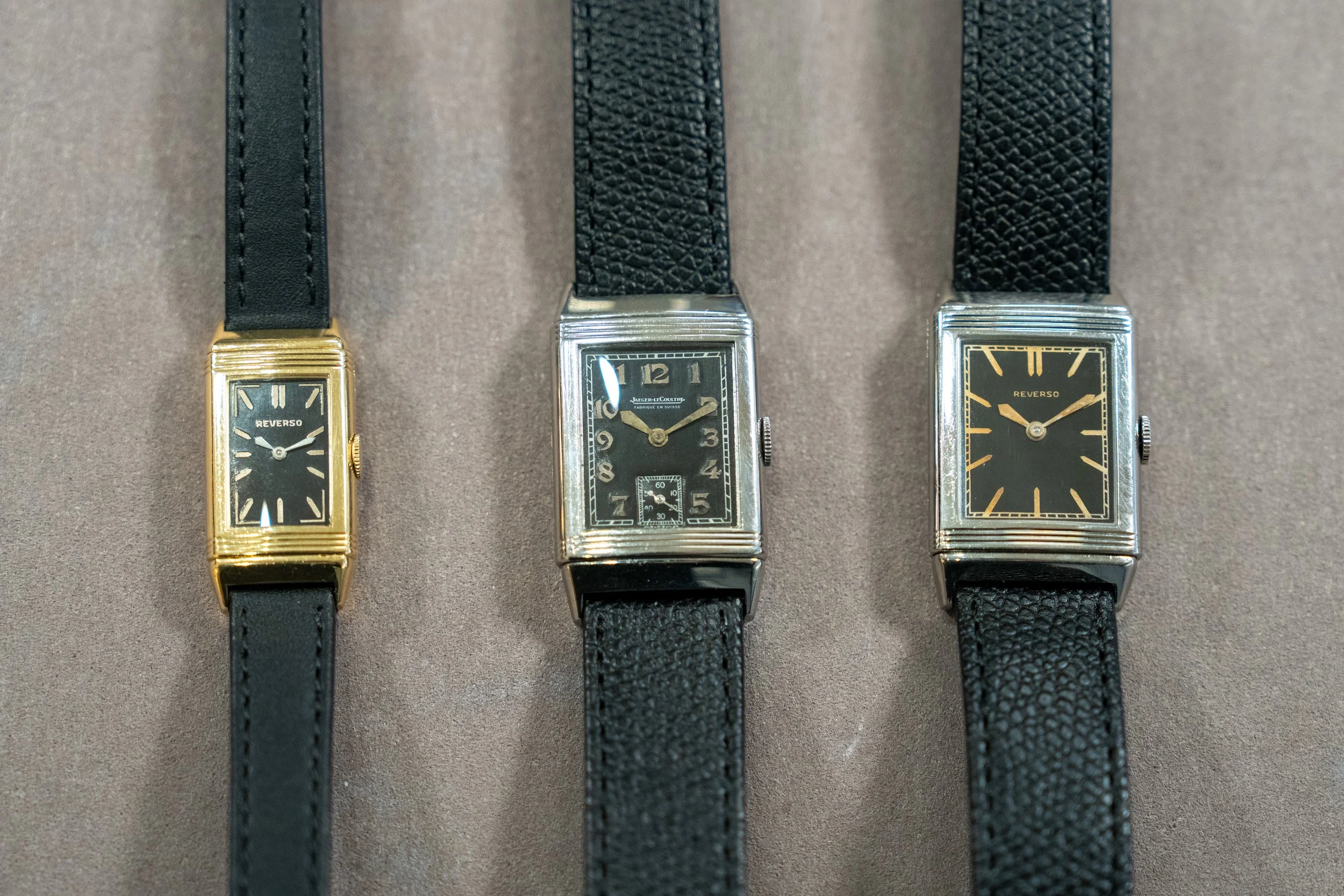
If you're even a little bit Reverso‑curious, Jaeger‑LeCoultre’s new Collectibles capsule exhibit in New York is must see. And no, it's not happening inside a museum or auction house. The brand is presenting some of the most impressive vintage Reversos in their boutique. While the Collectibles is being presented as a selling exhibition, but it feels far more like a focused horological showcase. Indeed, the Collectibles puts eight early Reversos from 1931 to 1937 in front of you in a way collectors rarely get access to.
A 1931 Reverso on the wrist, not behind glass
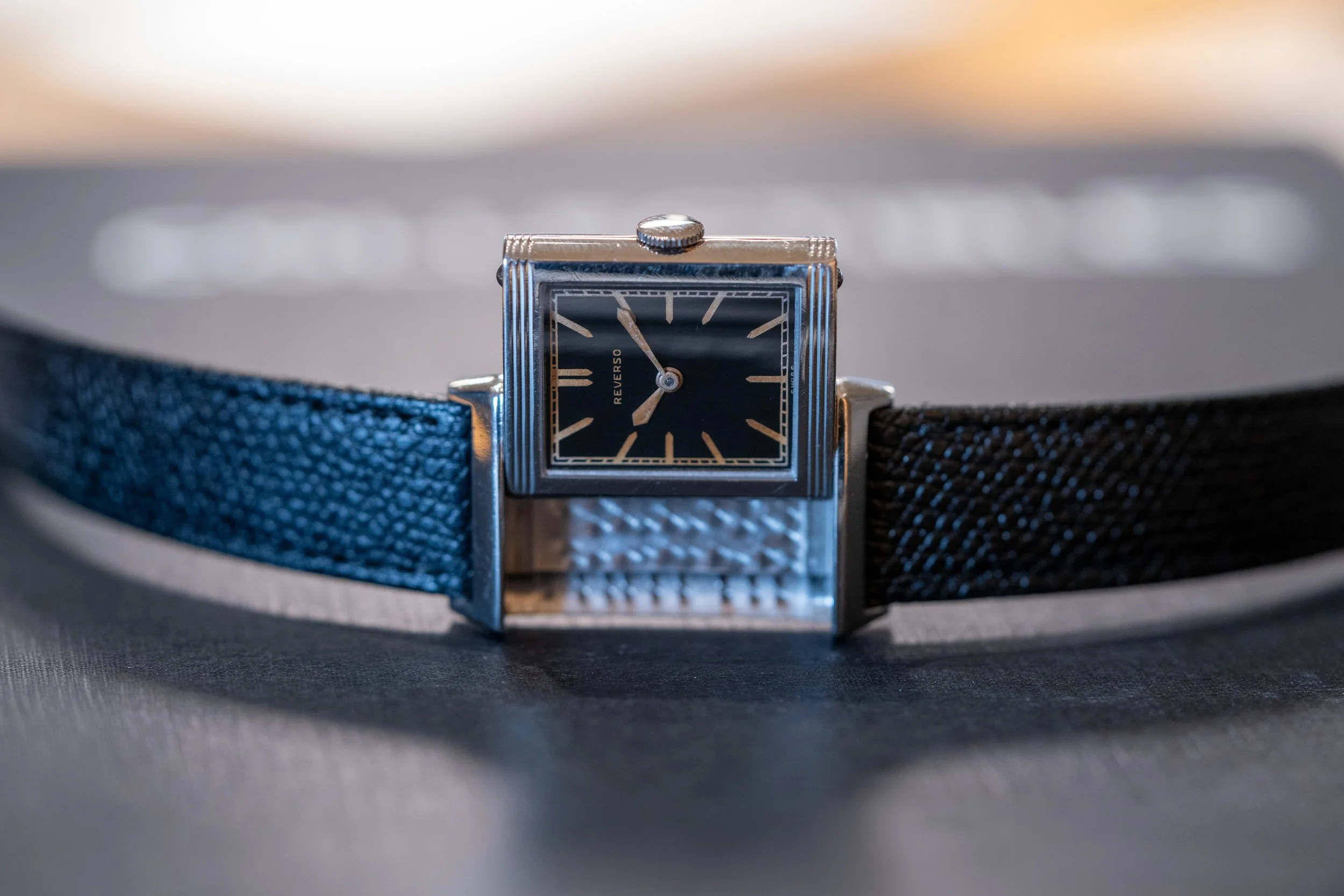
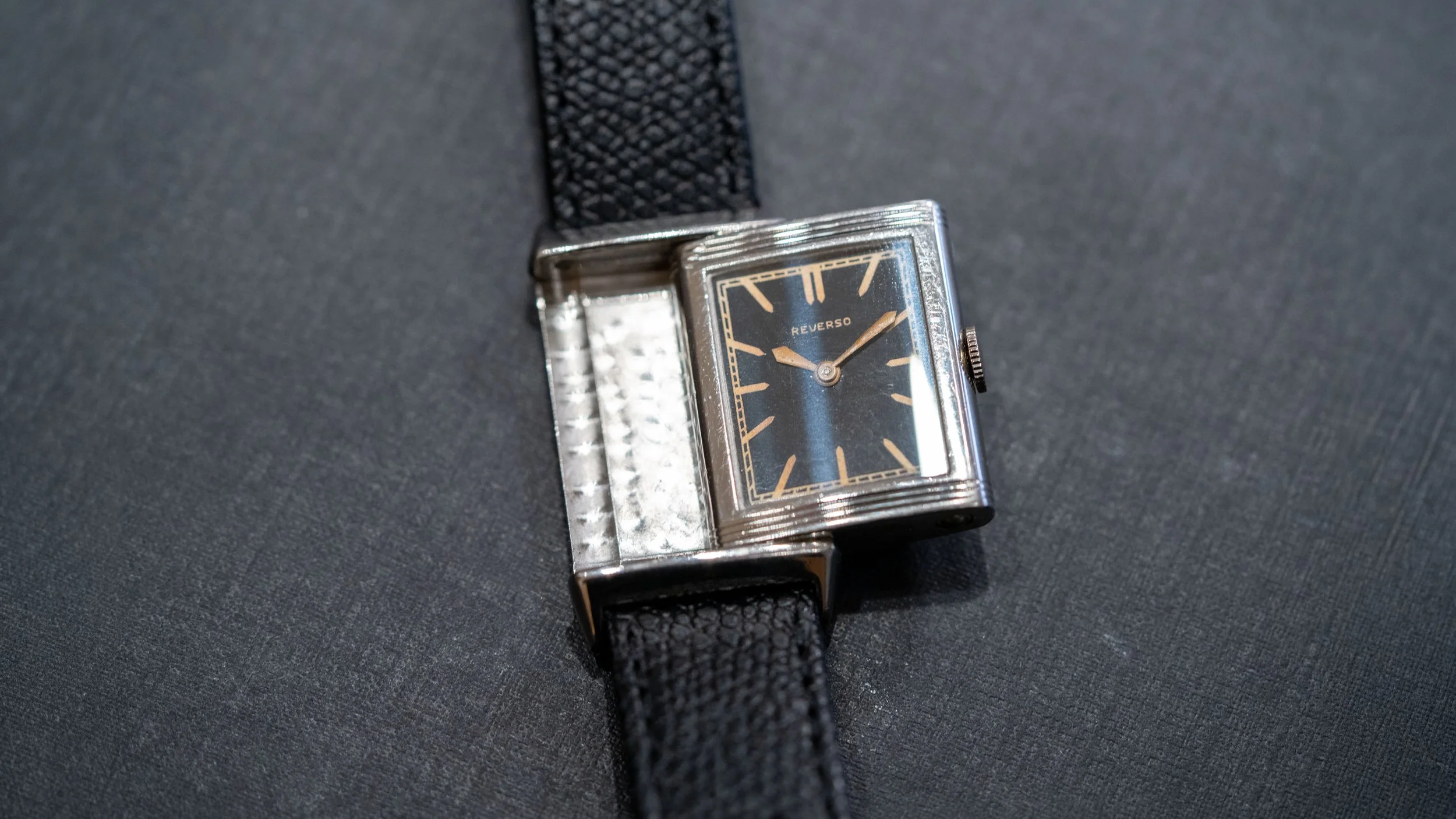
The core of the exhibit, at least to me, is an original 1931 Reverso from the very first wave of production. This is the kind of watch you expect to see locked away in a museum display or buried in a private collection. Indeed, I have seen similar such pieces behind glass at JLC's Reverso Stories exhibit. Being able to handle it, actually flip the case, and put it on your wrist really changes how you think about these early Reversos. You realize that everything about the Reverso has just made sense since the very beginning: the slim case, the sharp Art Deco lines, the way the black dial pulls your eye into the railroad minute track and those trapezoidal indexes that would go on to inspire the modern Tribute models.
On the wrist, it still feels contemporary (besides, of course, the almost 100 years of age and patina). You can see the polo field brief in its DNA, but the watch does not read as a relic; it reads as the prototype for almost every modern rectangular sports adjacent dress watch. There is a real thrill in knowing that this piece is not done “in the style of” the original 1931 Reverso. This is 1931 Reverso, and for a few minutes, the boutique staff are willing to put that history right on your wrist.
Restoration done with restraint
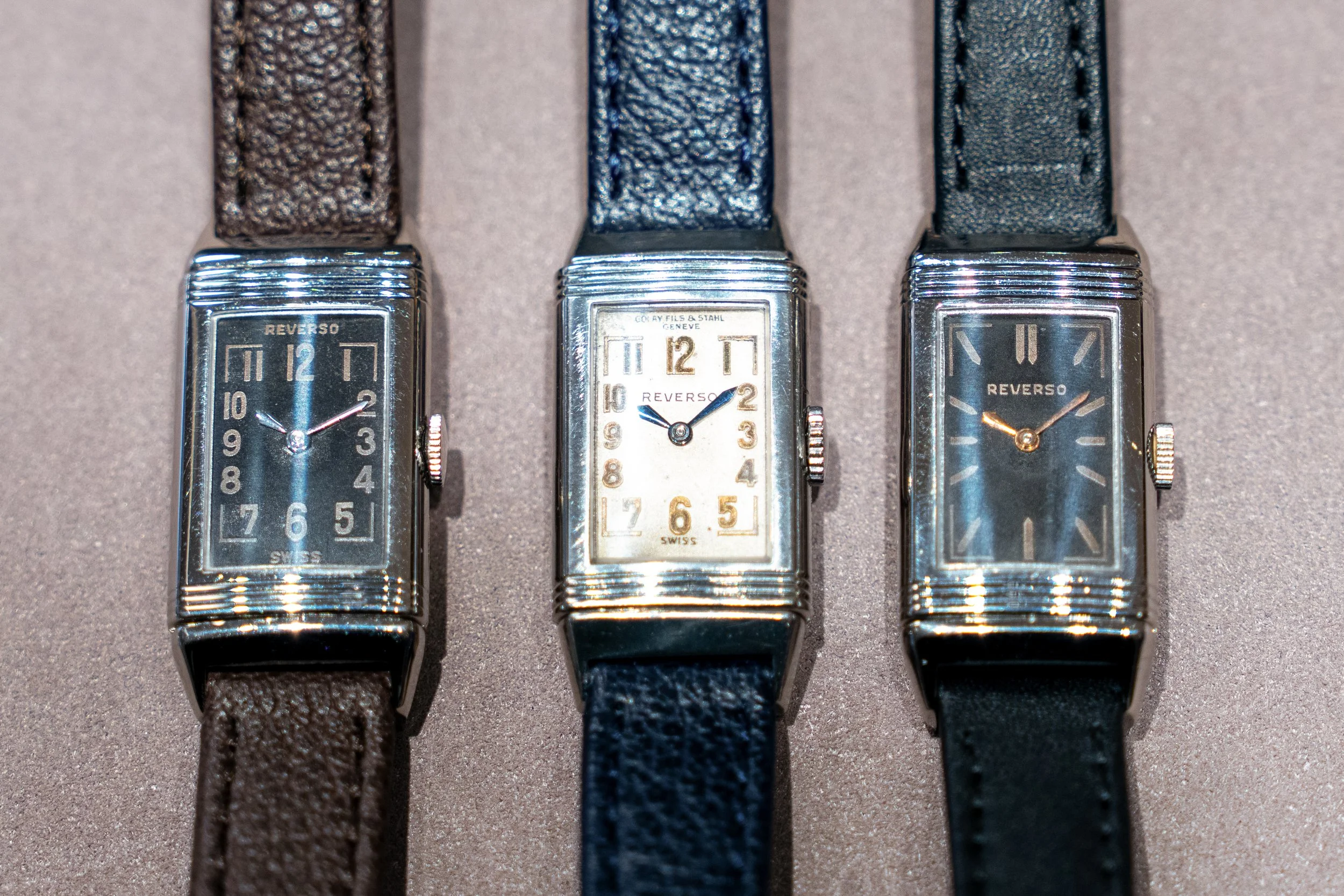
One of the biggest anxieties around manufacturer restored vintage is heavy handed intervention, dials that look too new, hands that do not belong, cases polished into oblivion. What stands out in this Collectibles capsule is how deliberately Jaeger‑LeCoultre has avoided that trap. Components like hands have been replaced only where necessary, and when they are, JLC has gone to the trouble of sourcing period correct parts or remaking them to match not just the shape, but also the aging of the originals. And when it comes to other parts, JLC refuses to mix and match watch parts with different serial numbers.
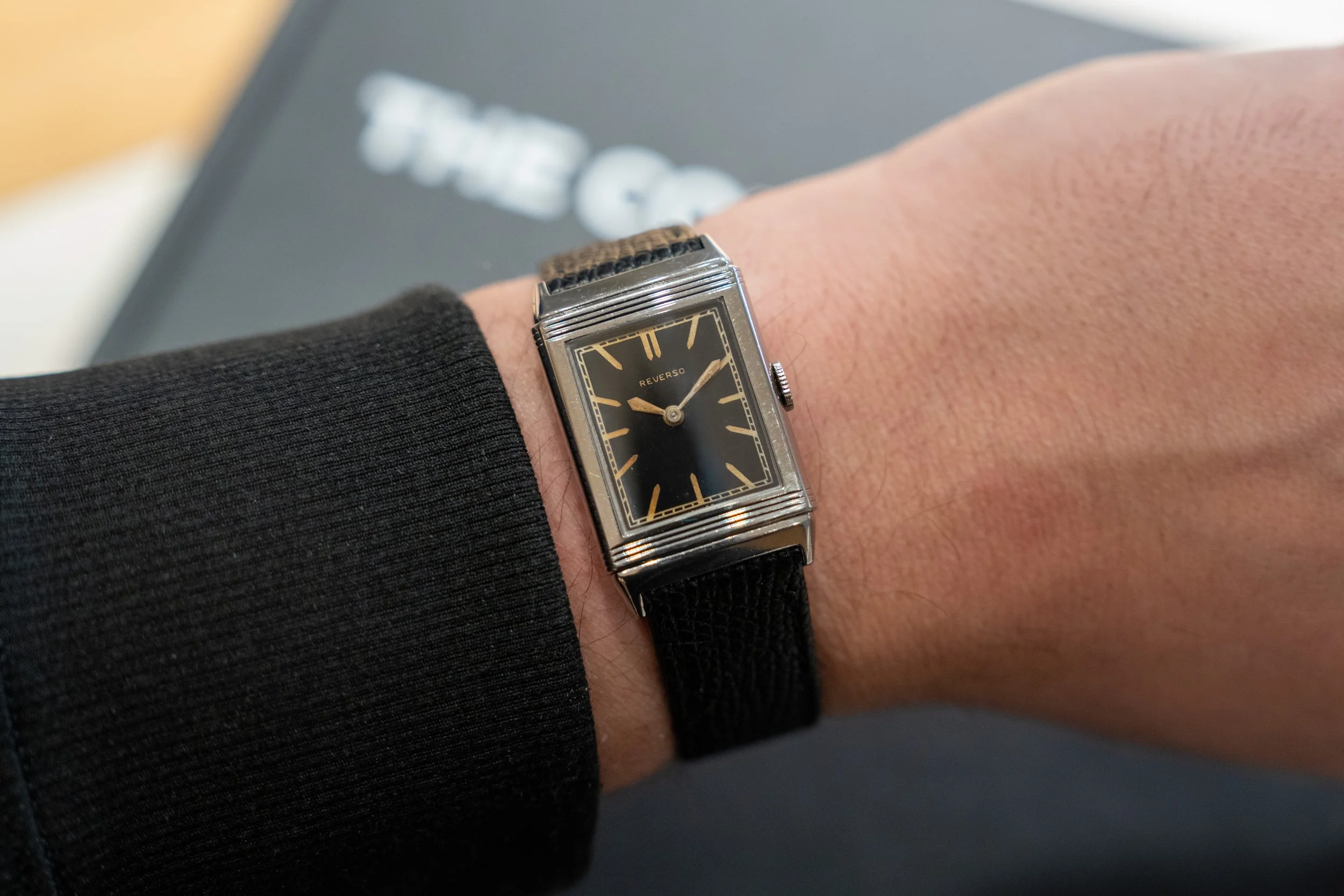
That approach means you are not looking at sterile “reissues” masquerading as vintage. You are looking at honest watches whose scars have been stabilized, not erased. Light catches the edges of the cases in that unmistakable pre war way, and the dials and hands carry a coherence you only get when someone has thought deeply about what should be preserved versus what has to be renewed for the next generation of wear. It is conservation, not cosmetic surgery, and you feel that when the watch is in hand.
Inside the boutique: a press level masterclass
The setting does not hurt. Rather than a chaotic public free for all, the exhibit comes to life in the boutique, where you can slow down and actually absorb what you are seeing. I was there with a small group of watch press and had the benefit of a guided presentation from Product and Heritage Director Matthieu Sauret, which elevated the entire experience.
Instead of simply telling us “this watch is rare,” Sauret walked us through how these pieces fit into the larger Reverso story. From the birth of the reversible case in British India, to the move from Tavannes ébauches to in house calibres, and finally to the evolution from sporty tool to refined Art Deco object for both men and women. Hearing that context while holding the watches in your hands, flipping a 1931 case while he explains its original brief, was a delight. It is the kind of alignment between storytelling and object that you almost never get in a conventional retail environment (and that brands almost never get right).
Why you should still go, even though the watches sold out
In a sign of how strong the appetite is for properly curated vintage from the source, every piece in this capsule sold on the first day of the exhibition. That fact alone tells you two things. First, JLC has clearly calibrated this programme as a genuine value proposition for collectors, not just another margin heavy “archive” exercise. Second, it proves that museum grade vintage, sold with factory backing and thoughtful restoration, has an audience that is both highly educated and highly motivated.
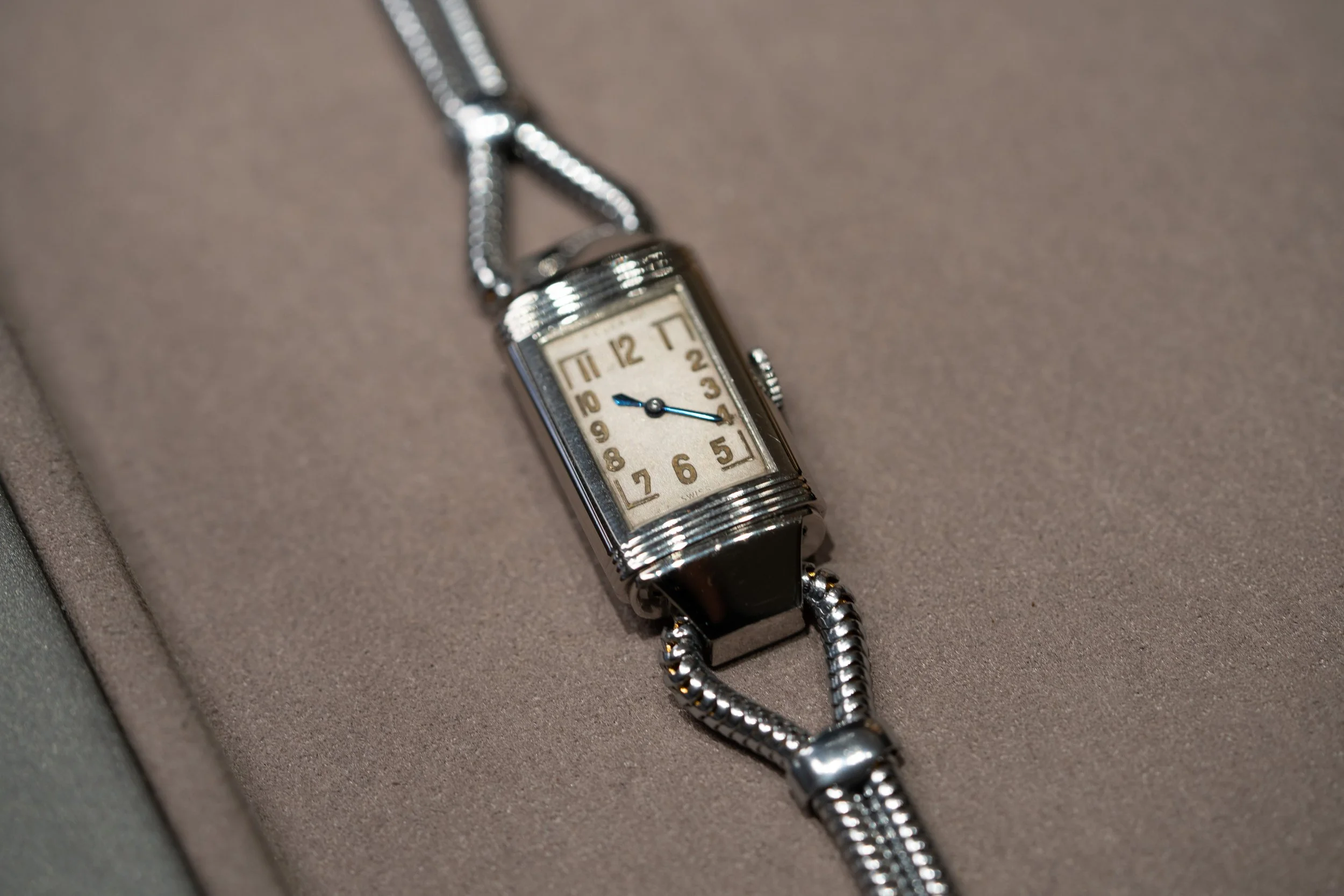
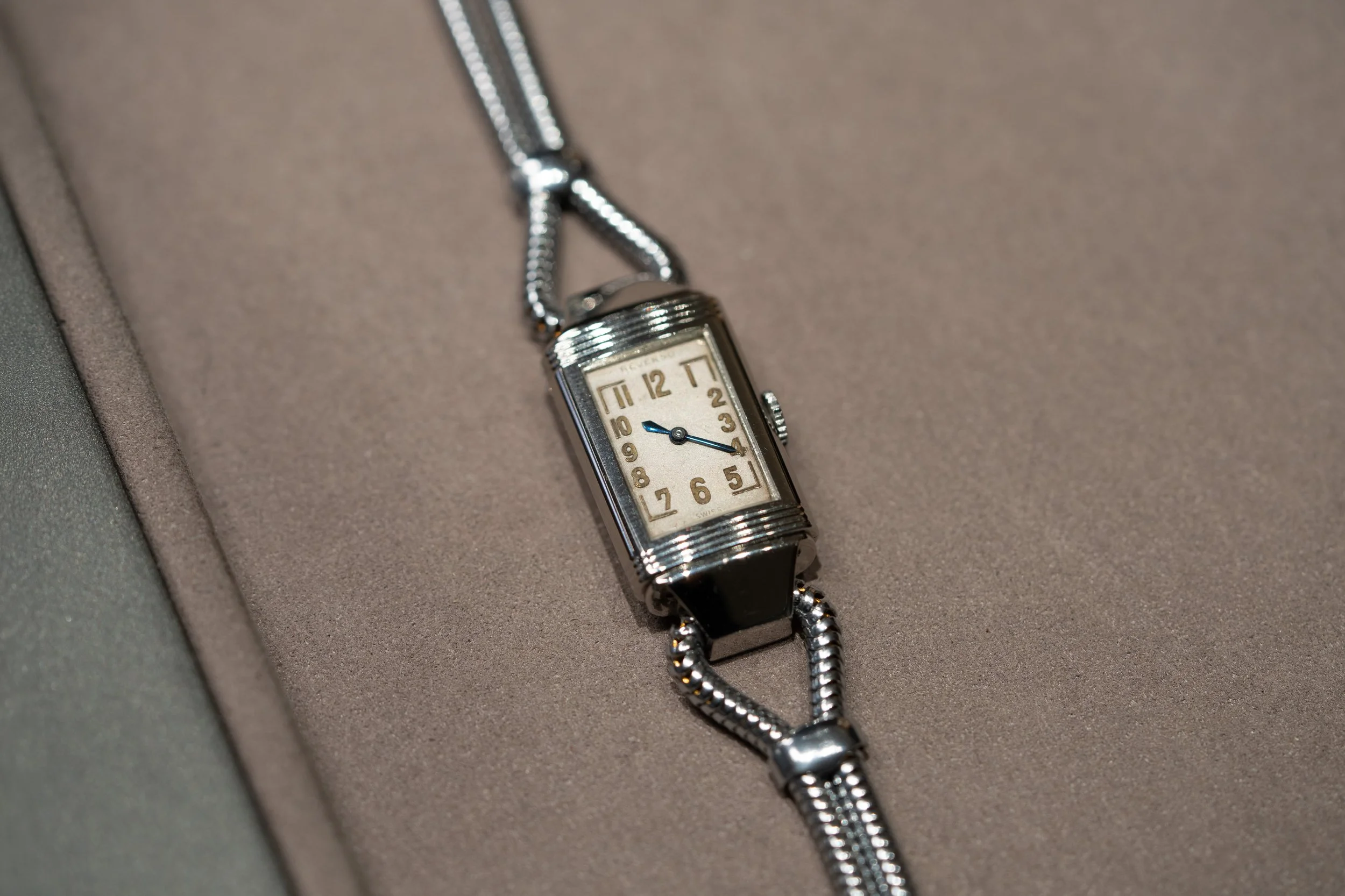
You could argue that if the watches are gone, the show is over. I would argue the opposite: without the pressure of “should I buy this?” or the intimidation of being expected to, you are free to appreciate these Reversos purely as objects and as a part of watchmaking history. Looking closely at the dial patterns and cases size, you notice the small things, like how the early ladies’ Reversos played with mixed metals and cord-style bracelets. And then, you can compare them to the brand new, modern Reversos just a few steps away. It doesn't feel like your typical exhibit, because you can actually touch and feel the watches. And for some reason, very few brands attempt to give their collectors, and the greater watch community, such access. I wish more would follow JLC's lead.
A must see for serious collectors
Ultimately, this Collectibles exhibit is a signal that Jaeger‑LeCoultre is serious about acting as custodian, not just manufacturer. By hunting down important references, restoring them with restraint, and then placing them in front of the public rather than keeping them hidden in a corporate safe or on display behind locked glass, JLC is quietly doing the work many of us wish more maisons would do.
If you are anywhere near New York before February 21st (when the Capsule is still running), it is worth carving out an hour to step into the boutique, handle these extraordinary early-period Reverso in the metals, and listen to the stories baked into these cases and dials. You may not walk out with a vintage piece, those chances disappeared quickly, but you will walk out with a much deeper appreciation of why the Reverso became an icon, and what it looks like when a brand chooses to nourish its own history rather than just trade on it.