
There is a phrase in watch collecting that drives me a little crazy: “entry level luxury.” We hear it constantly for watches in that two to six thousand dollar band: Longines, Tudor, Oris, that whole space. The more I think about it, the more I’m convinced it’s a completely broken way to talk about watches.
Because in almost any other corner of life, spending three to five thousand dollars on an object is not “entry level.” It is a serious purchase. It is the kind of decision most people feel in their monthly budget, not a casual step onto the first rung of a ladder.
So let’s talk about why “entry level luxury” doesn’t really make sense, how the phrase quietly normalizes higher and higher prices, and why the reality of today’s watch market completely undercuts the idea.
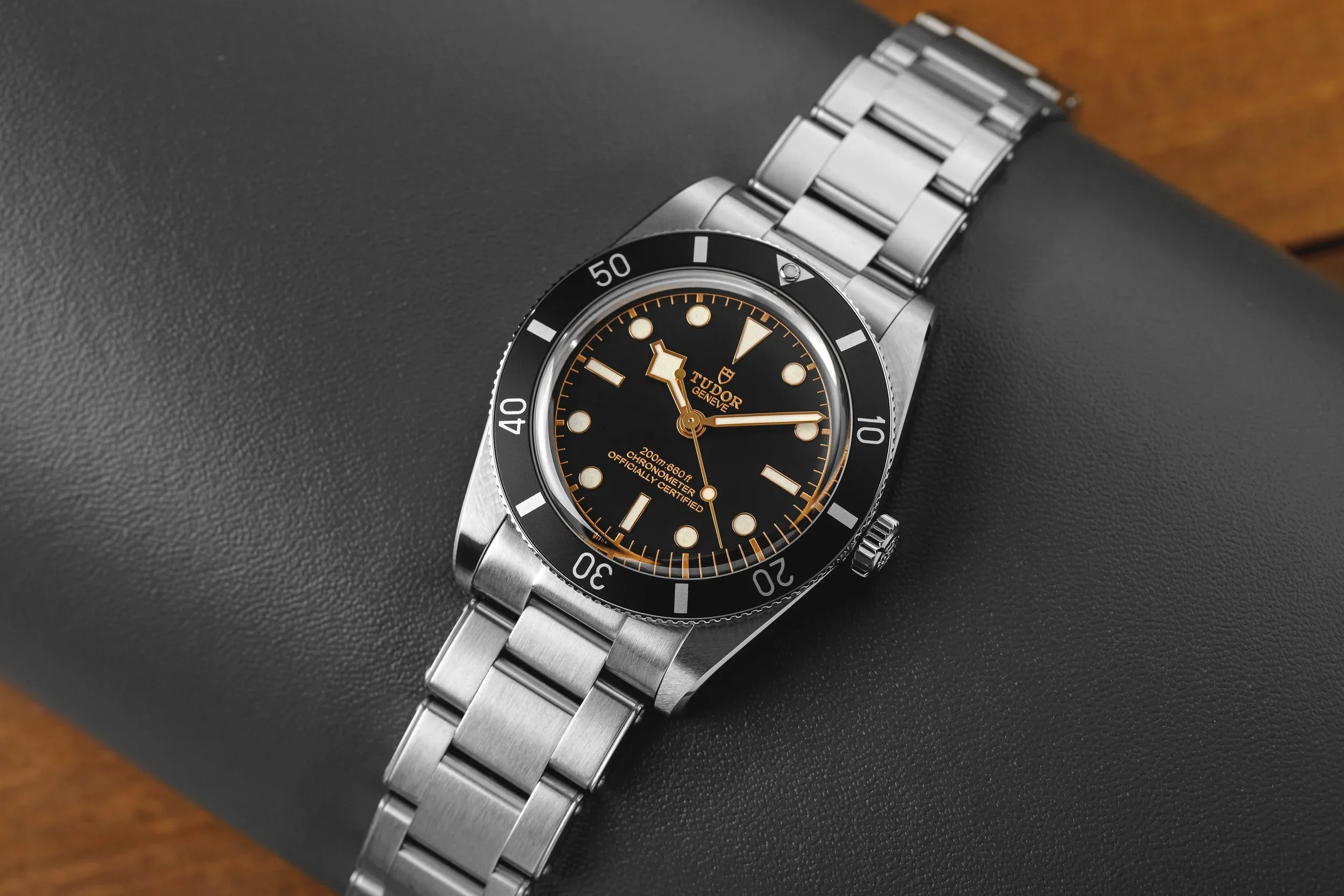
And then, to make this less abstract, we will put a roughly five thousand dollar watch from a major Swiss brand next to a sub two thousand dollar watch and ask a simple, uncomfortable question: does the expensive one actually feel three times better?
What “entry level” really looks like
Before we get to Tudor and friends, I need to admit something: I have used the phrase “entry level luxury” plenty of times myself. In videos, in articles, in conversation. It is the industry’s default language, and it is easy to slide into.
But when you zoom out and look at how people actually enter this hobby, it falls apart.
For a huge portion of collectors, real entry level is simple: a Seiko, an Orient, maybe a Citizen. Usually under a thousand dollars, often well under that. It might be your first mechanical watch, or the first watch you bought after months of saving. You open the box, peel the stickers, size the bracelet at your kitchen table. It feels like a big moment.
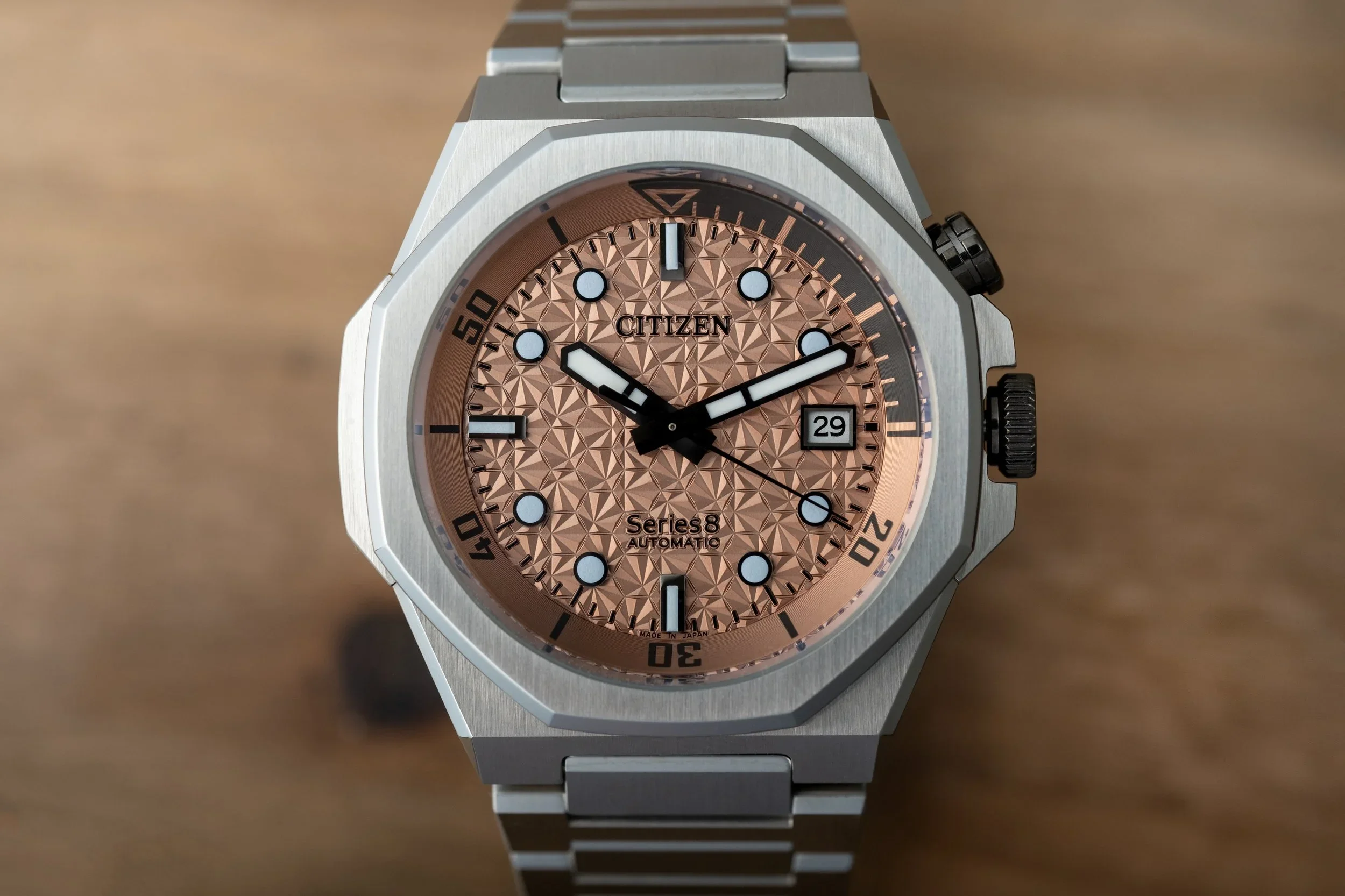
That is what “entry level” looks like in the real world: your first meaningful step into the hobby, not a four figure luxury purchase.
Yet the language changes very quickly. The moment you start talking about Longines, Tudor, Oris, somewhere in that two to six thousand dollar range, the phrase “entry level luxury” starts getting thrown around as if it is the most natural thing in the world.
Two to six thousand dollars.
For a lot of people, that is months of after tax income. That is not dipping your toe into anything. That is making a serious financial decision about an object you do not technically need.
The Chanel thought experiment
If you want to see how strange this sounds outside watches, take that same three to five thousand dollars and move it to handbags.
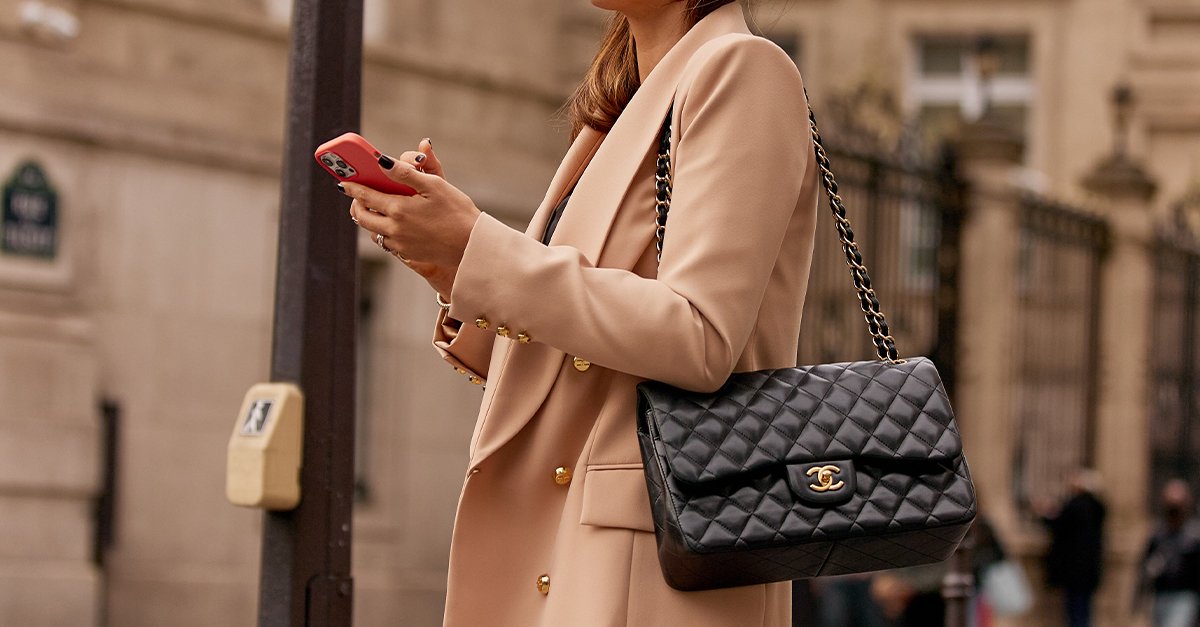
At that price, you are right in the middle of Chanel and Prada, creeping into Hermès territory. These are aspirational purchases. Dream purchases. Nobody is saying, “Yeah, I picked up an entry level Chanel to start out.” Imagine someone calling a four thousand dollar Hermès bag their starter bag. It sounds absurd.
Once you spend that kind of money in leather goods, everyone agrees you are in luxury. Full stop.
Now do a quick thought experiment. Think about the most expensive non watch thing you have ever bought: a laptop, a camera, a vacation. Now imagine someone looking at that purchase and saying, “Yeah, that’s a good entry level version.” You would probably laugh.
But in watches, we say this all the time.
Yes, a mechanical watch has engineering that a handbag does not: moving parts, tolerances, water resistance, regulation. But most people do not experience jewel counts and balance amplitudes. They experience the price tag. When a four thousand dollar Chanel bag is treated as a huge splurge, but a four thousand dollar watch is framed as a “great entry into luxury,” the problem is not that the bag is cheap. It is that the language around watches has drifted away from what these numbers actually mean in real life.
How “entry level luxury” quietly rewires our expectations
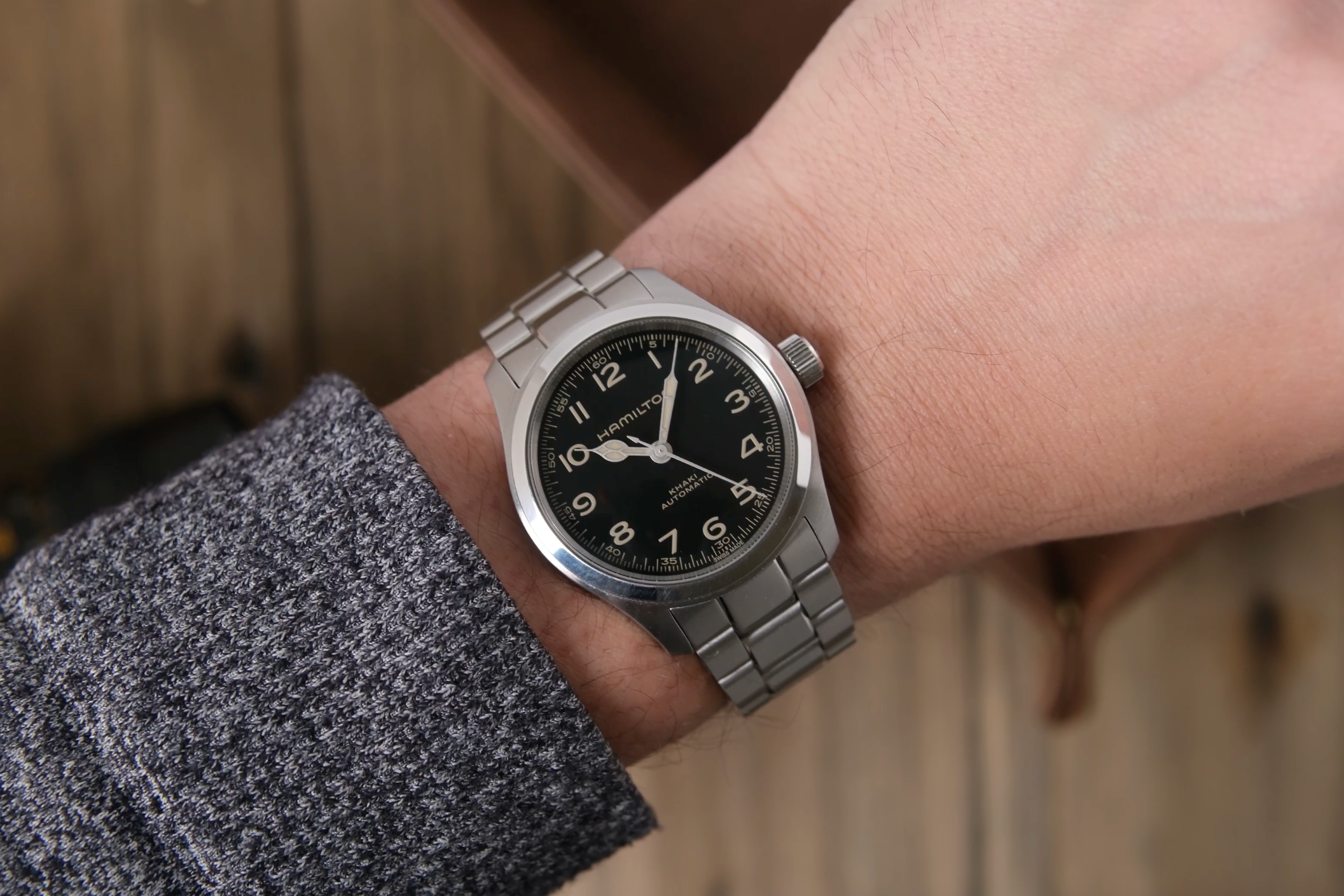
The phrase sounds harmless, but it does a few sneaky things in the background.
First, it resets the floor.
If two to six thousand dollars is “entry,” then ten thousand starts to feel like the natural next step. Twenty thousand becomes “serious collector territory” instead of what it really is: a massive amount of money for something nobody needs to survive.
Second, it creates a hierarchy.
Under a thousand, you are “just getting started.”
One to two thousand, you are “working your way up.”
Only when you hit that two to six thousand band do people say, “Now you are in the game.”
That framing is fantastic if you are a big Swiss brand and you want collectors to feel like the only way to be taken seriously is to climb up to your tier. It is less fantastic if you are the person actually earning the money to buy the watch.
Third, it makes price creep feel normal.
If this is the official entry point, every price increase can be explained as “aligning with the luxury market” instead of what it often is: brands pushing as far as they think collectors will tolerate. A steel sports watch goes from three to four to five thousand dollars, and the language we use makes that ladder feel inevitable.
The microbrand problem for big brands
This is where microbrands start to blow up the whole idea.
There is now a huge ecosystem of watches between five hundred and three thousand dollars that deliver a genuinely premium experience long before you reach what the industry calls “entry level luxury.” You get original designs instead of lazy homages, thoughtful proportions that actually work on normal wrists, sapphire crystals, ceramic bezels, strong lume, and reliable automatic movements that any competent watchmaker can service.

Because many of these brands are run by actual enthusiasts, the details people obsess over often get more attention: how it wears on a six and a half inch wrist, whether the clasp can be adjusted during the day, whether the crown is annoying to use. The stuff you only really understand once you have lived with a watch.
If you judge watches by the experience on the wrist, “luxury” clearly starts well before that two to six thousand dollar band. Which raises a pretty uncomfortable question for the industry: if a fifteen hundred or two thousand dollar watch can feel this good, what exactly are we paying for when the price triples?
A concrete example: Wren Diver 38 vs Tudor Black Bay
Let’s make this less theoretical.
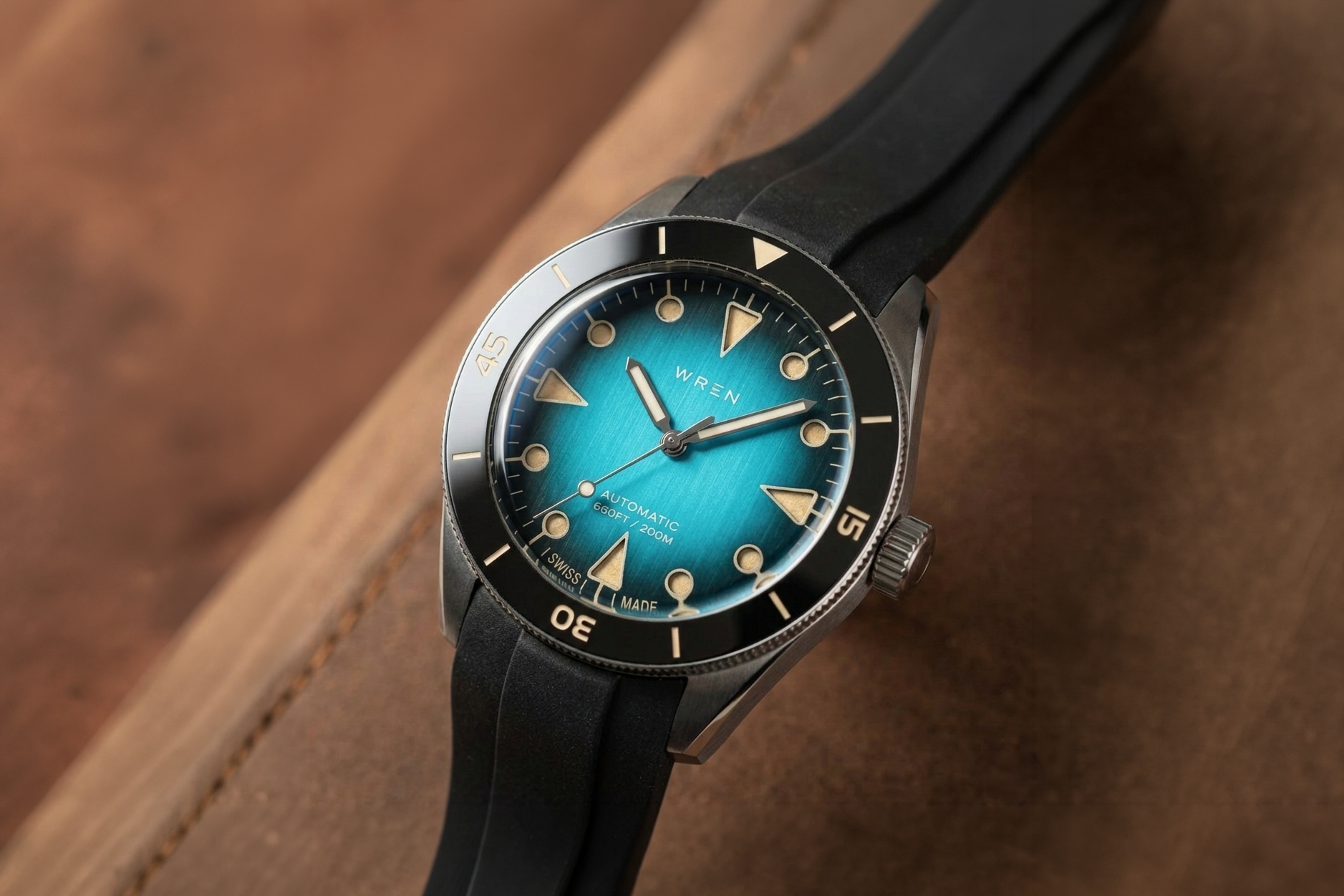
Take something like the Wren Diver 38 from my own brand, Wren. It is a thirty eight millimeter diver with a Swiss automatic movement, real water resistance, sapphire crystal, a ceramic bezel insert, and a bracelet with tool free microadjustment. The proportions are designed so it disappears on the wrist and actually works in everyday life.
Now compare that with something like a Tudor Black Bay 54 or Black Bay 58 in the roughly five thousand dollar range. The Tudor gives you an in house movement, a major brand name, and a global service network. Those are real advantages.
But here is the question that actually matters once both watches are on your wrist: does the Tudor feel three times as good?
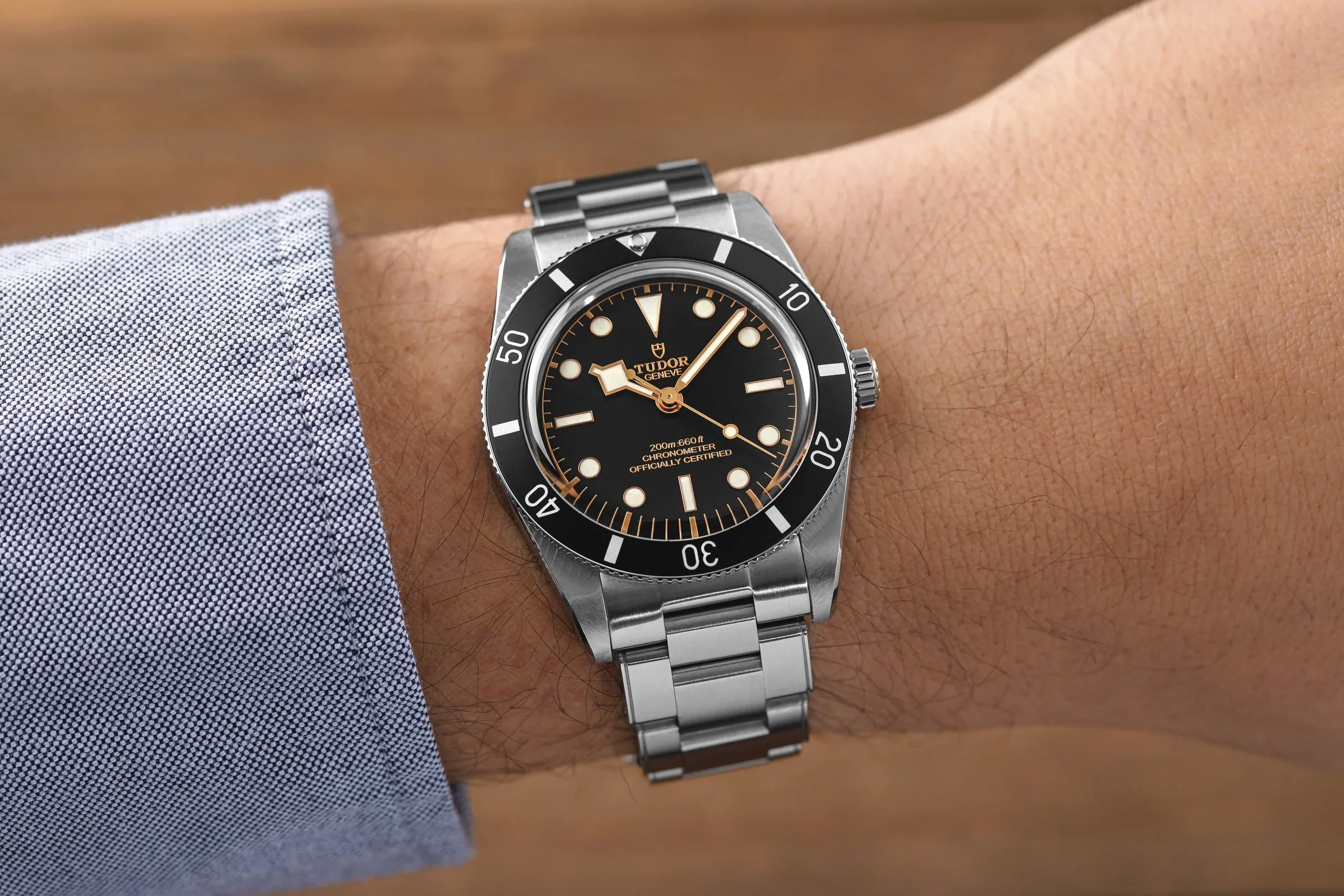
Think about case quality, bezel action, comfort after ten hours, how easy it is to size perfectly, how versatile it looks with a T shirt versus something more formal. In a lot of those categories, the gap is much smaller than the price difference. Sometimes, depending on your wrist and your taste, there may not be a meaningful gap at all.
So what are you really paying for in that extra three thousand dollars?
You are paying for the in house movement. You are paying for the shield on the dial. You are paying for heritage, brand recognition, and the confidence of buying from a large company with an established resale market. All of those things are valid reasons to spend more.
But calling the five thousand dollar Tudor “entry level luxury,” while treating a well executed sub two thousand dollar watch as something outside of luxury, starts to look like language doing public relations for the price tag.
A simpler way to talk about price and value
Maybe the better way to talk about watches is much simpler.
Instead of hiding status inside euphemisms, just talk about price bands and what they tend to offer:
Under $1,000: Enthusiast starter territory.
$1,000–$3,000: Microbrands and accessible Swiss.
$3,000–$7,000: Established luxury brands.
Above that: High end pieces and icons.
Then, more importantly, talk about what the money is actually paying for in each case.
Movement development. Finishing. Service infrastructure. Brand history. Marketing. Prestige. And where the watch sits in your own journey: your first “nice” watch, your first piece you insure, the one you will never sell, the one you hope to pass down someday.
For some people, luxury starts with a four hundred dollar Seiko they saved for all year. For others, it might be a fifteen hundred dollar microbrand that outperforms the five thousand dollar watch they always assumed they needed. And for some collectors, it really is the twenty thousand dollar icon they chased for a decade.
All of those experiences are valid. None of them become more or less real because a marketing phrase says luxury only starts at a certain price point.
Time to retire “entry level luxury”
So maybe it is time to quietly retire the term “entry level luxury.”
It turns a five thousand dollar purchase into something that sounds like practice. It downplays how big those purchases really are. And it quietly supports a pricing ladder that collectors no longer have to climb, because there are strong options at almost every level now.
Buy the Tudor. Buy the Longines. Buy whatever watch you genuinely love. But do it because you understand what you are paying for and you actually want that watch, not because someone told you it was the proper starting point.
I am curious: what was your first “luxury” watch, how much did it cost, and where do you think luxury really starts?