
Why Can’t Brands Just Give Us Better Straps?
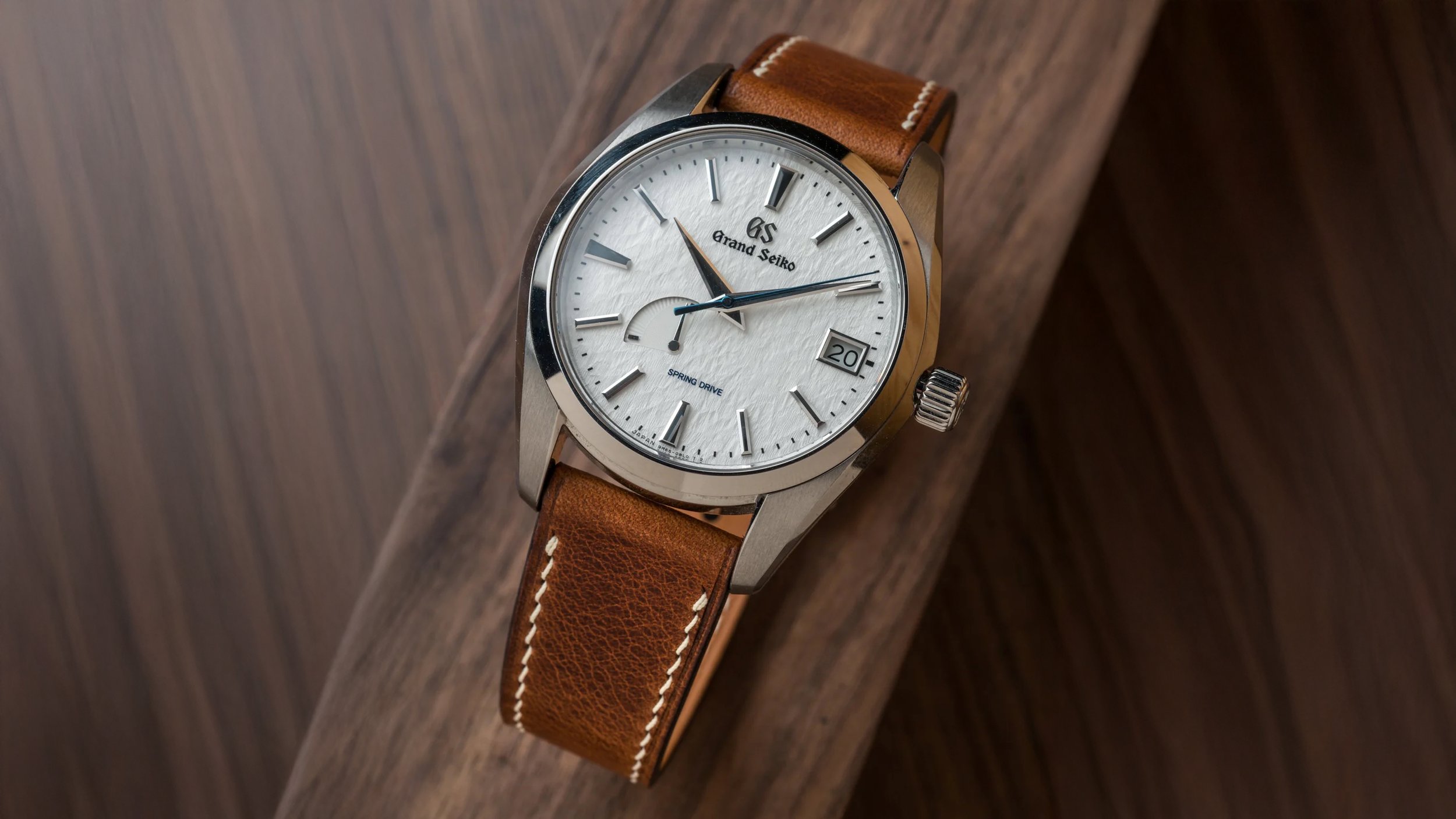
I’m just going to say it: most high-end watch straps are terrible. By that, I mean the straps brands choose to deliver their watches on. You’d think spending ten, twenty, or even fifty thousand dollars on a watch would guarantee a strap that feels great on the wrist. But no. Somehow, even the biggest names in watchmaking still treat the strap as an afterthought, something to tick off the launch checklist rather than a key part of the wearing experience.
The weak link
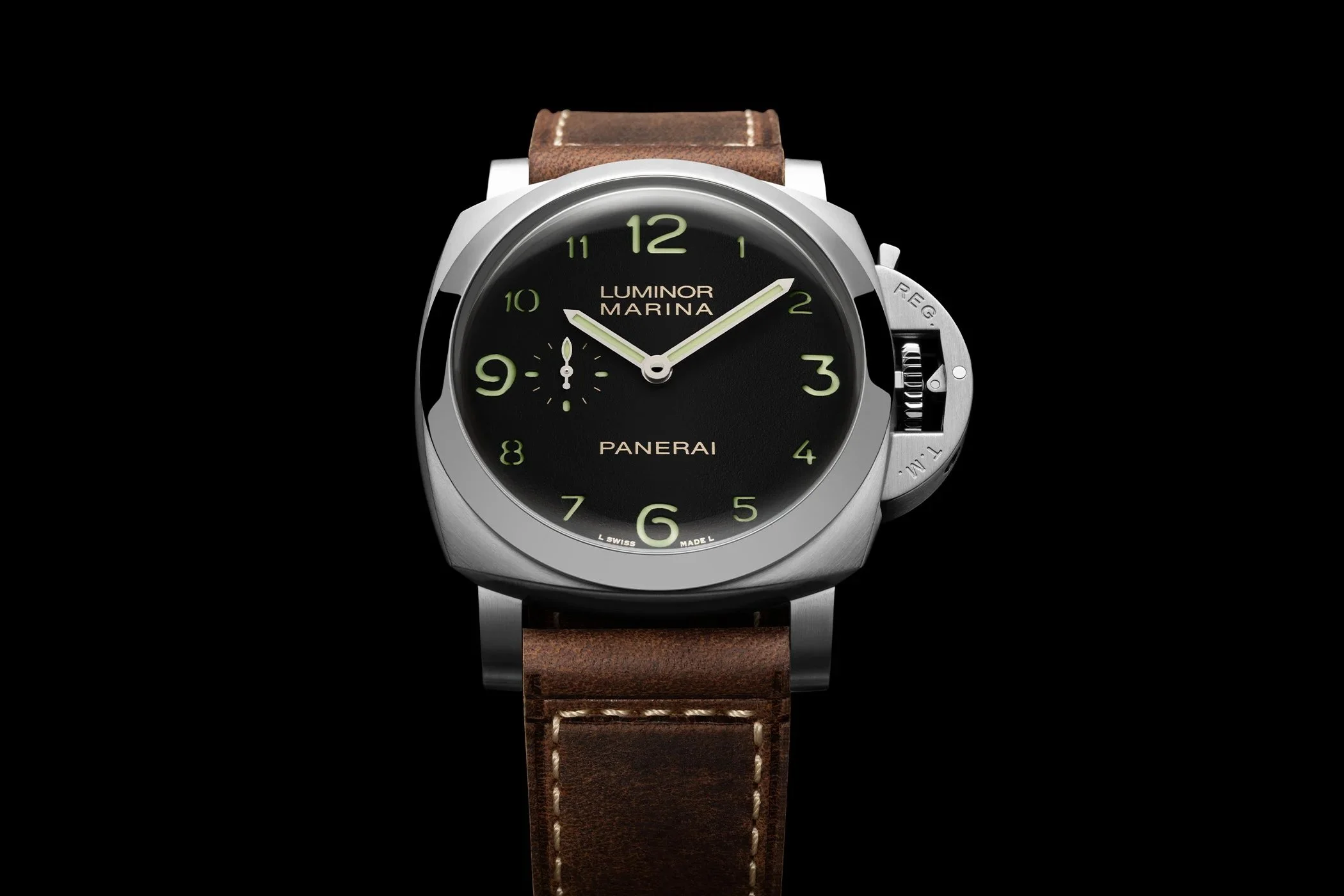
It’s baffling how brands that can machine titanium cases to within microns still ship their watches on leather so stiff it could double as a cheese grater. We’re talking clunky deployants that dig into your wrist, squeaky calfskin that never breaks in, and rubber straps that feel more like industrial conveyor belts than luxury accessories. And don’t even get me started on those oversized buckles that look like medieval door hinges (sorry Panerai).
A watch strap isn’t a decorative extra; it’s half the experience of wearing the thing. The best watches are the ones you don’t want to take off, and that starts with comfort. Yet so many brands seem to forget that once the watch leaves the shop, it’s supposed to live on a wrist, not in a winder.
Ken Kuan, the founder of Delugs, agrees that the problem is rooted in misplaced priorities. “For most big watch brands, their priorities simply lie elsewhere,” he says. “Straps are often seen as a functional component, something to attach the watch to the wrist, rather than an integral part of the overall design.”
Microbrands are doing it better
Here’s the funny part: microbrands have figured this out. They’ve been quietly embarrassing the big players for years. You buy a $900 watch from an indie brand, and it arrives on a soft, flexible strap that feels broken in from day one. They’ll even include quick-release spring bars and maybe a second strap in the box. They do it because they listen, because they actually wear their own watches.
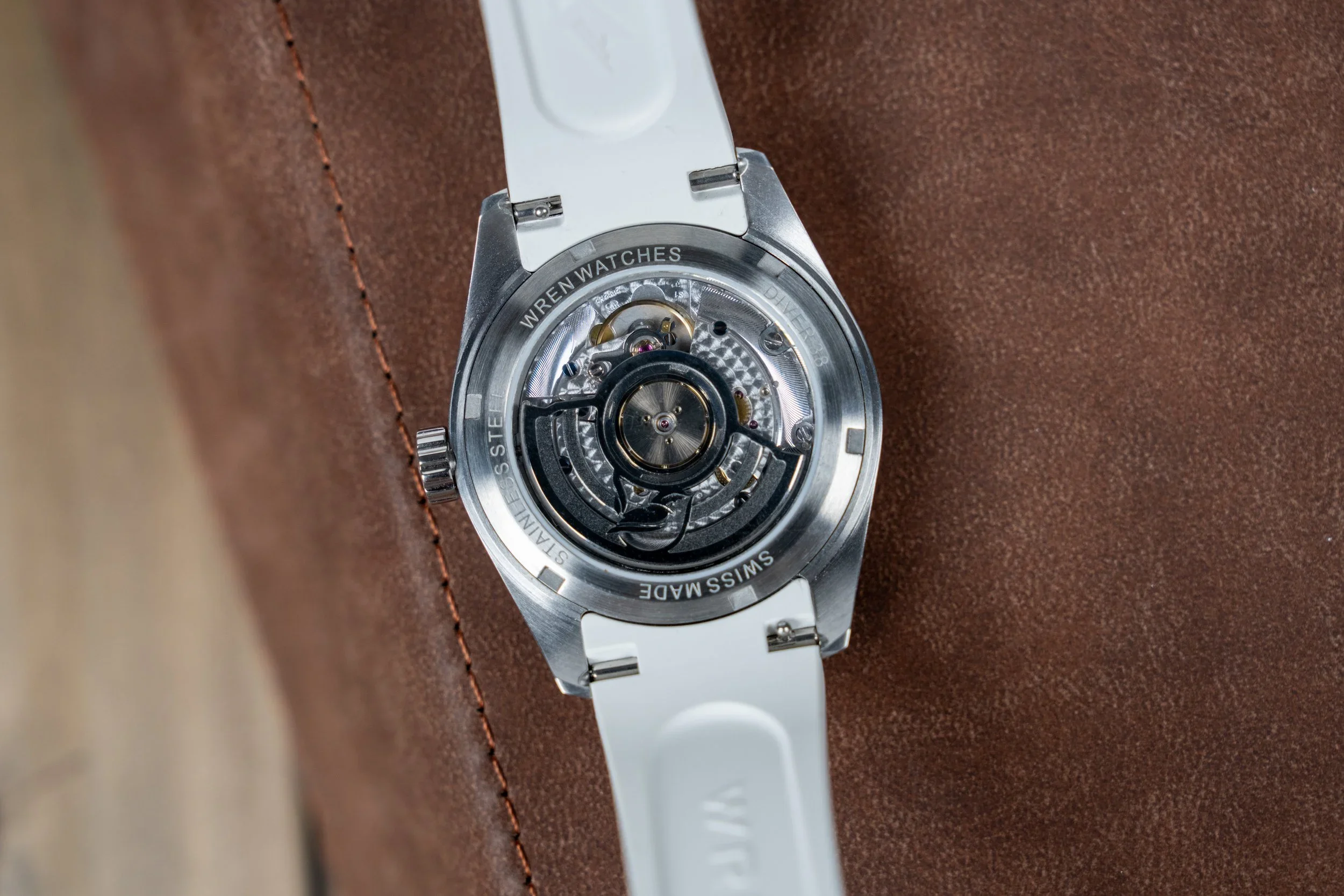
Ken notes that part of the issue is that big brands assume you’ll just change the strap anyway. “Many brands also assume that customers will change out the straps themselves, so there’s little incentive to invest heavily in strap design or quality,” he explains. “Their focus is almost always on the watch head, the case, dial, and movement, where craftsmanship and storytelling are centered. From a commercial standpoint, it’s safer to offer something neutral and inoffensive that appeals to a broad audience.”
The hypocrisy of materials
This is where it gets ridiculous. We’re living in an era of hyper-material science: forged carbon composites, ceramic, titanium, even ceratanium! Yet the straps? Often left as the cheapest-feeling component of the entire watch. You’ll see a $40,000 sports watch with a case made from exotic composite material, but the strap feels like something that came free with a mall watch.
Collectors notice. You can’t call a watch “ultra-light” when the clasp alone weighs as much as a sandwich. You can’t tout “sustainability” while pairing your eco-friendly case with a strap that cracks after six months. And you definitely can’t talk about ergonomics when the strap fits like a straight piece of plastic wrapped around a cylinder.
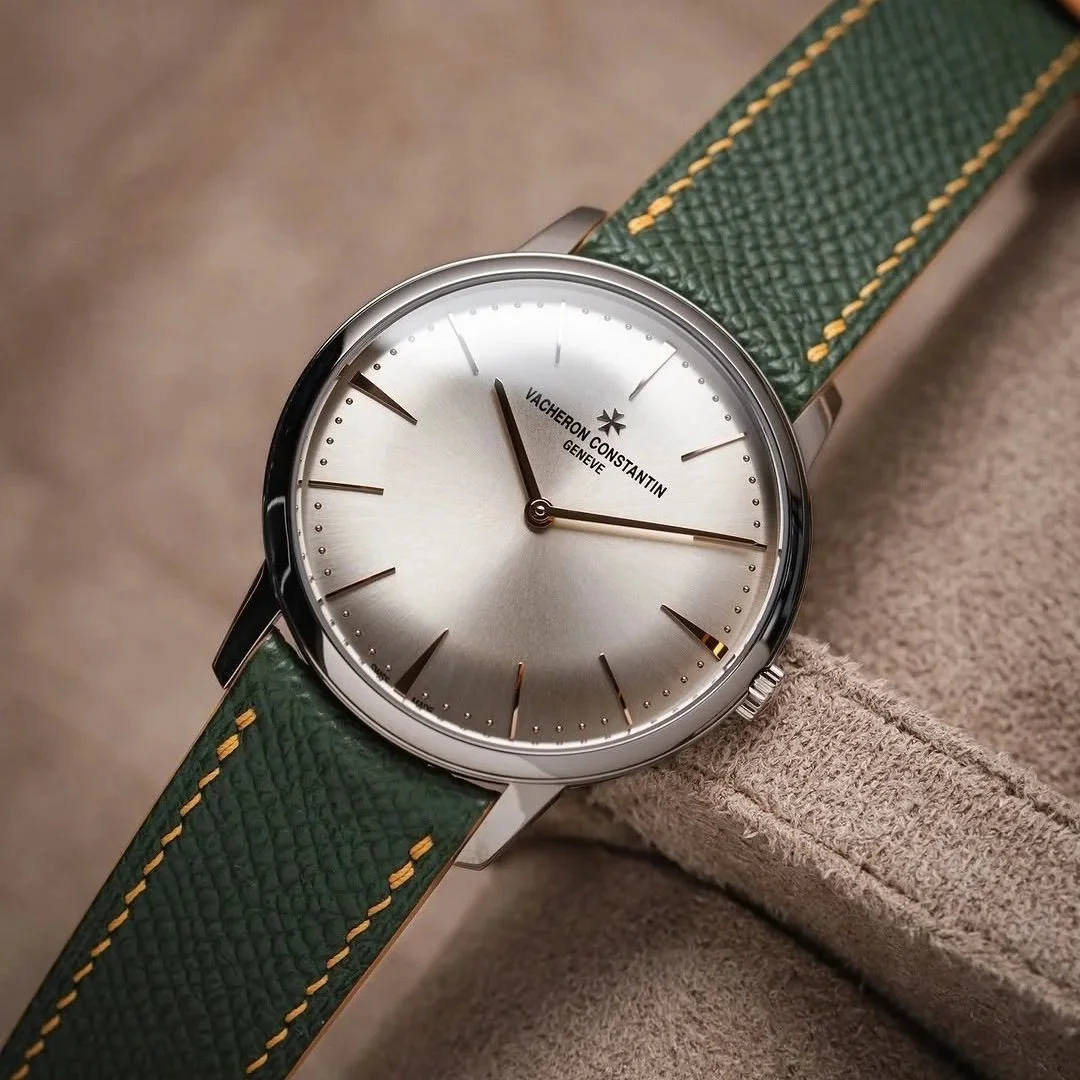
Ken believes this gap is actually an opportunity. “When a brand is deliberate about its strap choices, it immediately stands out and elevates the entire watch,” he says. “A great example is Konstantin Chaykin’s Joker series, where the strap plays a key role in reinforcing the character and personality of the watch. On a more understated level, when we partnered with Armin Strom, they were very intentional with their strap selection, even including two different straps for each Dual Time Resonance watch. These kinds of thoughtful details show how a strap can be more than just an accessory; it can be part of the storytelling.”
The rise of the aftermarket
Maybe that’s why so many of us now factor in an extra few hundred bucks for a Delugs, Artem, or Jean Rousseau strap the moment we make a purchase. It’s almost a ritual at this point. The watch arrives, we take a few photos on the stock strap for posterity and for the ‘Gram, then it goes straight into the drawer. I’ve bought more than one watch where the original strap didn’t so much as get a sniff.
Aftermarket makers have built an entire industry on the back of brand neglect. They understand the tactile side of collecting. They know we want straps that look good but also flex, breathe, and age gracefully. They know we want to swap styles easily without fumbling with spring bar tools.
Ken says those exact factors are what modern collectors now value most. “First and foremost, collectors still care most about quality and comfort,” he explains. “A strap needs to last, feel good, and wear comfortably from day one. If it’s overly stiff or has a long break-in period, it can completely ruin the wearing experience, even for an otherwise exceptional watch.”
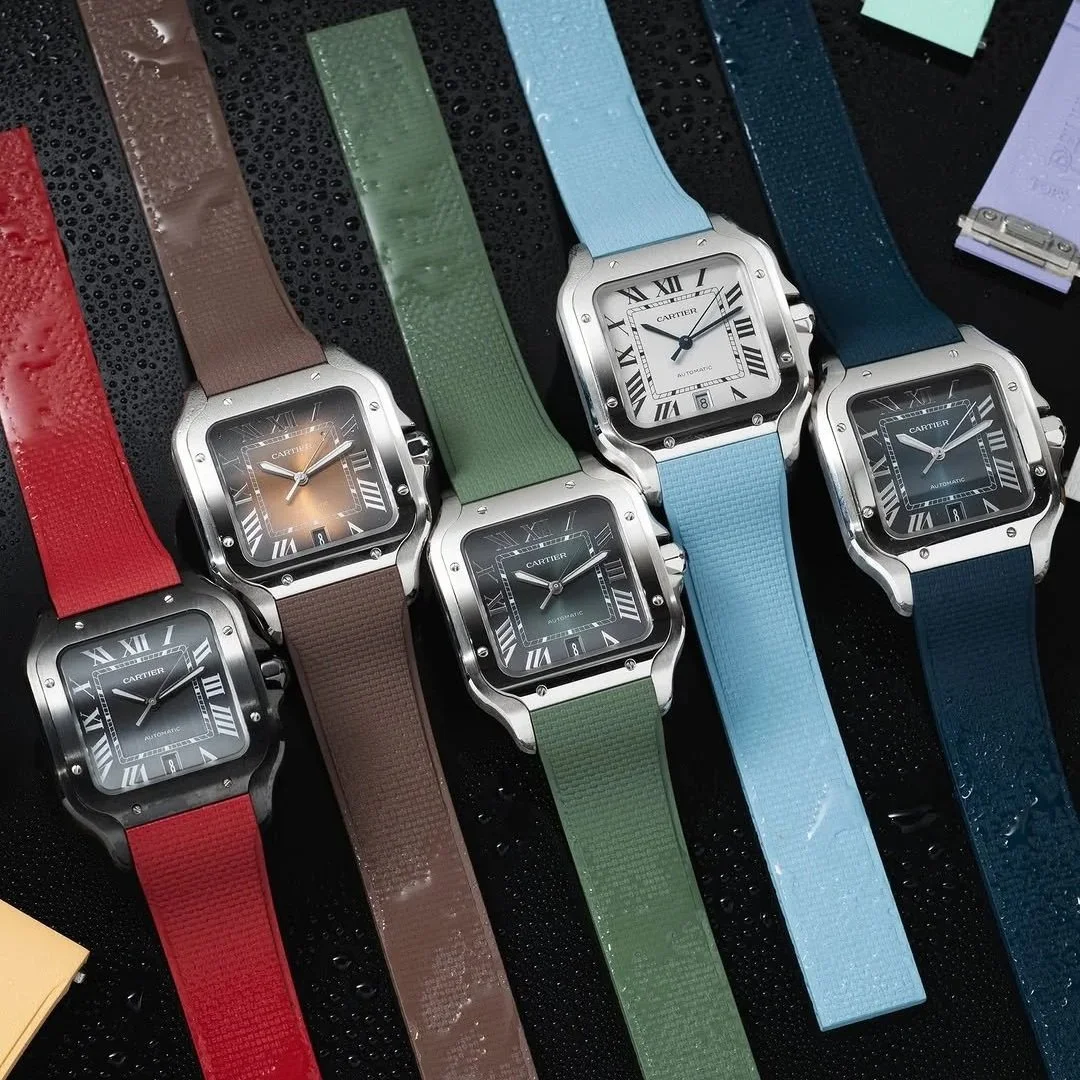
He adds that customization is also growing in importance for many collectors. “It’s less about being flashy and more about expressing individuality,” he says. “One of our ambassadors, TheWrongWrist, for example, is known for his signature green straps. It’s become part of his identity as a collector.”
And then there’s convenience. “Ease of swapping straps has become increasingly important,” Ken notes. “Many collectors want the flexibility to change straps depending on the occasion or mood, without having to visit a watchmaker each time. Quick-release mechanisms and
well-designed lug systems make a huge difference. They turn strap-changing from a chore into part of the fun of owning a watch.”
A simple fix
This isn’t a complex problem. We’re not asking for a revolutionary new escapement or a silicon hairspring. We’re asking for straps that match the quality of the watch they’re attached to. Softer leather, better tapers, slimmer clasps, and a little design thought. That’s all it takes.
Straps are the literal connection between the watch and the wearer. They determine whether a watch feels natural or awkward, loved or ignored. And right now, too many brands are sending the message that they don’t really care what happens after you buy it, and it’s time they did. Because for all the talk about “heritage,” “craft,” and “passion,” nothing ruins a great watch faster than a strap that feels like it belongs on something half the price.