
Who Really Needs a Watch Winder?

I was introduced to the idea of a watch winder well before luxury watches were even an interest of mine. You, too, may have seen the iconic scene at the start of Marvel’s Dr. Strange, where Benedict Cumberbatch opens a huge drawer of watches on winders. It definitely blew my small mind at the time. Fast forward to now, and the idea of opening my cupboard and being faced with a wall of gorgeous watches gently rotating still floats my boat.
On Instagram and YouTube, we constantly see huge safes loaded with watches, and the temptation for the average collector to go out and buy a watch winder is certainly there. But who really needs one? Why should you get one? Well, we have tried to answer these questions and more below. Let’s get stuck in.
What does a watch winder do? And how does it actually work?
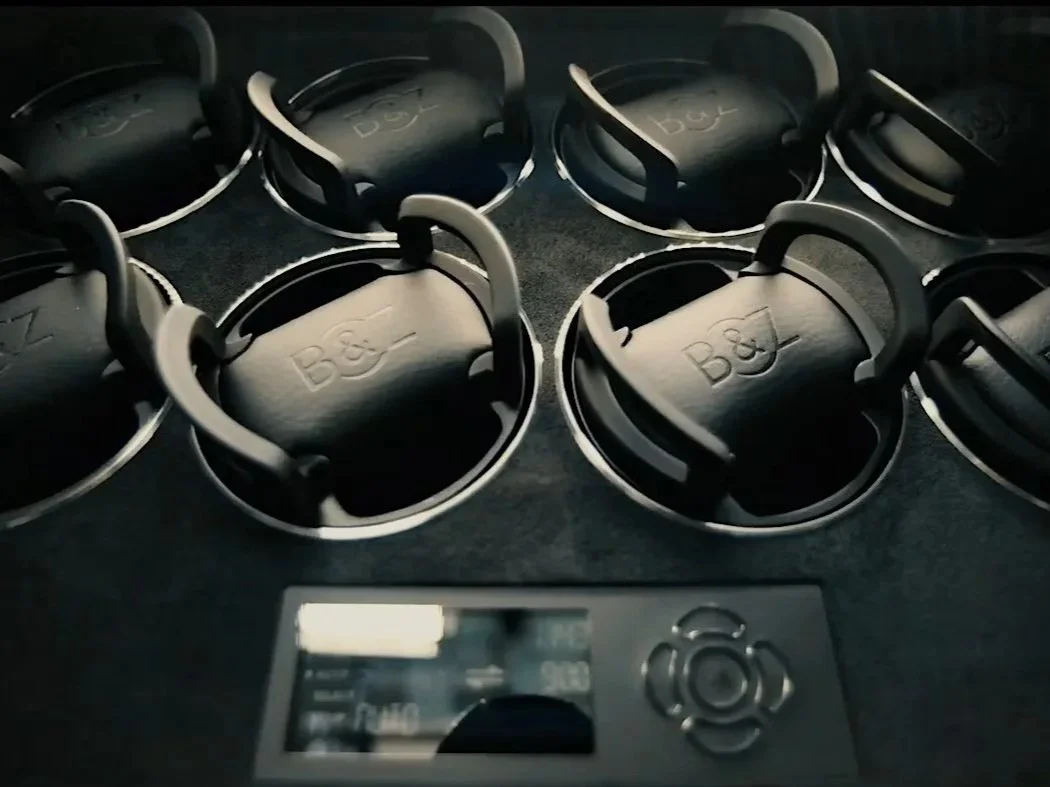
In short, a watch winder mimics the motion of your wrist. It rotates the watch periodically, keeping the mainspring wound enough for the movement to continue running when the watch isn’t being worn. That being said, watch winders are only useful if you own an automatic watch: you will not be able to wind a manual watch with it. It goes without saying that using a watch winder for a quartz watch is probably even more futile.
With watch winders there is a small caveat. While wearing your automatic watch, occasional rotations of the wrist throughout the day keep the watch wound. However, if you put it on a watch winder that spins 24/7, you might damage the watch or overwind it. Thus, most modern winders operate with specific settings based on turns per day, or TPD (from here on). This essentially determines how many rotations the watch makes in a 24-hour period. This can happen either by slow continuous rotation or by periods of activity and inactivity.
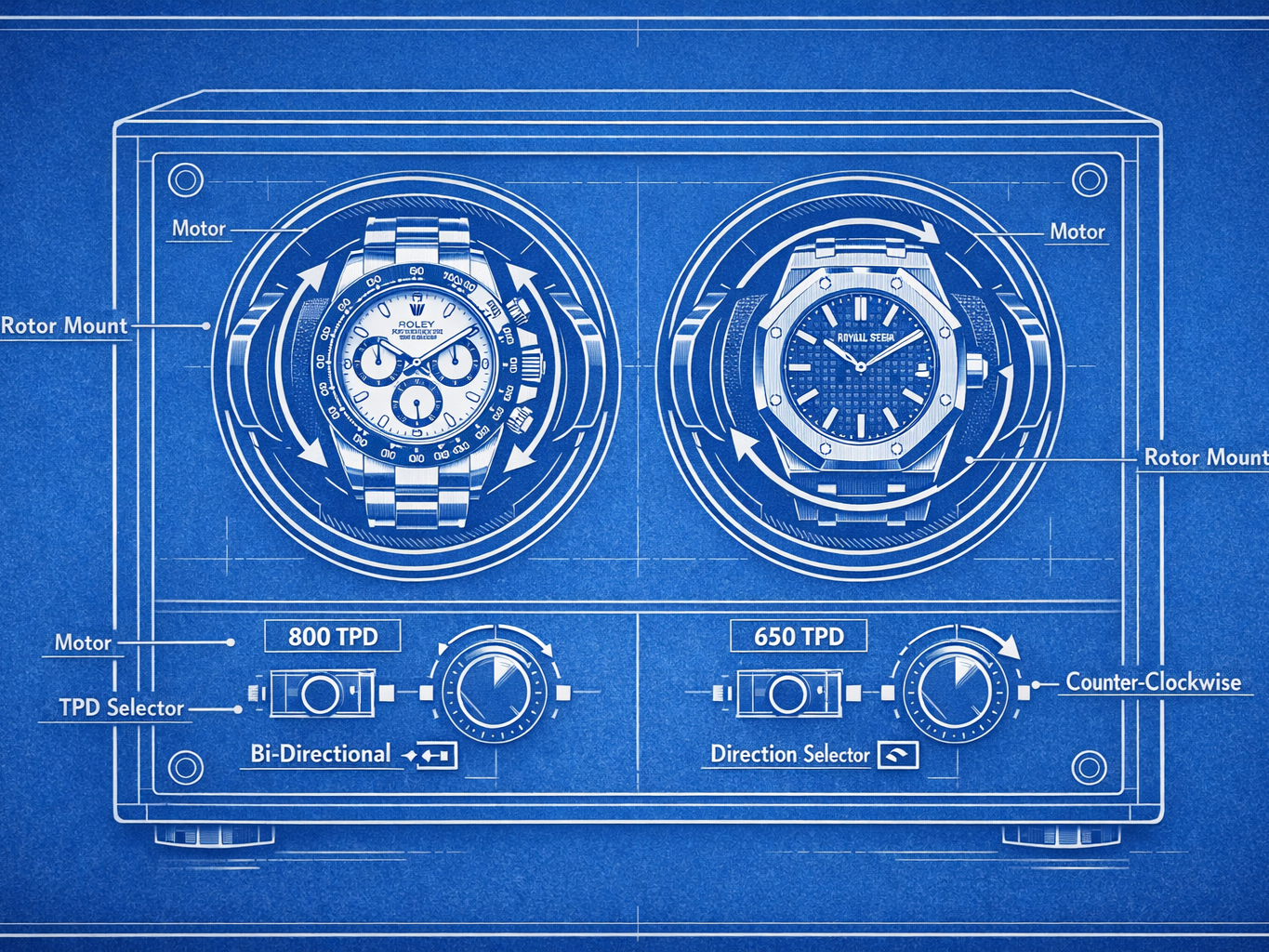
Different movements require different TPD ranges and rotation directions: clockwise, counterclockwise, or bi-directional. For example, a watch with a 10-day power reserve will need a vastly different TPD number than a perpetual calendar with just 40 hours. A good winder lets you adjust all these variables to protect the calibers inside your watches.
What a watch winder does not do is “service” your watch. You do not need one for the daily upkeep of the timepiece, to extend service intervals, or to magically improve longevity. It doesn’t lubricate parts or prevent wear. All it does is keep the movement running. That’s it.
Now, who really needs a watch winder?
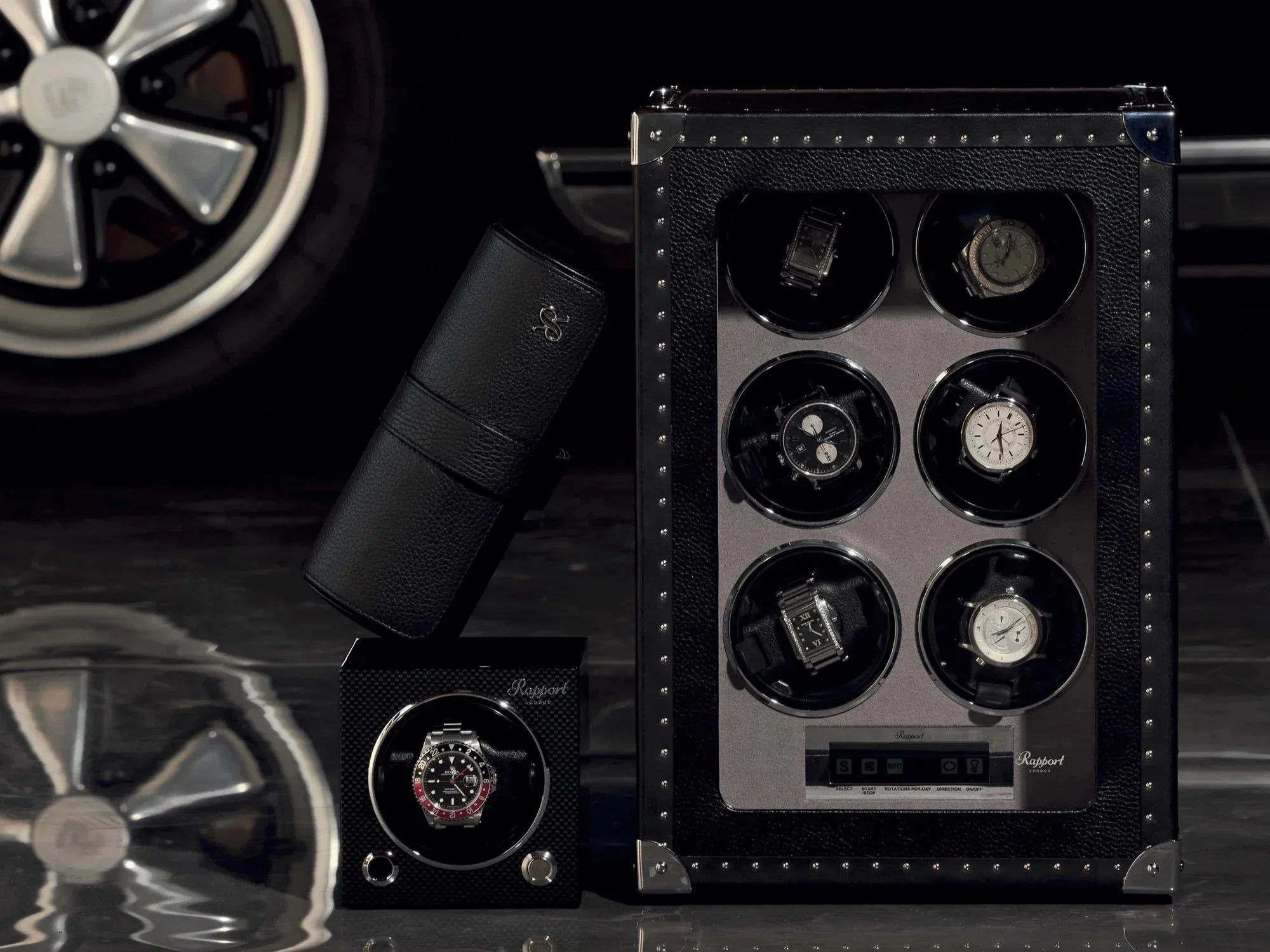
The clearest case for a watch winder is complication-heavy watches. Imagine putting down a watch that takes an age to wind up and set correctly. Something like a perpetual calendar, annual calendar, or moonphase. Once the power reserve is empty, it’s empty, and you will have to start from scratch to set it.
Anyone who has ever set down their favorite watch with a date complication for two to three weeks will know the minor frustration of having to spend two minutes getting it back to the right day. Now imagine spending twenty minutes resetting a perpetual calendar. In these cases, a watch winder isn’t about laziness. It’s about genuine practicality and avoiding unnecessary handling.
The other clear use case for a watch winder, in my opinion, is if you have a large rotation of automatic watches. If you’re someone with 10–20+ automatics that you rotate through almost daily with ease, then it also makes sense for them.
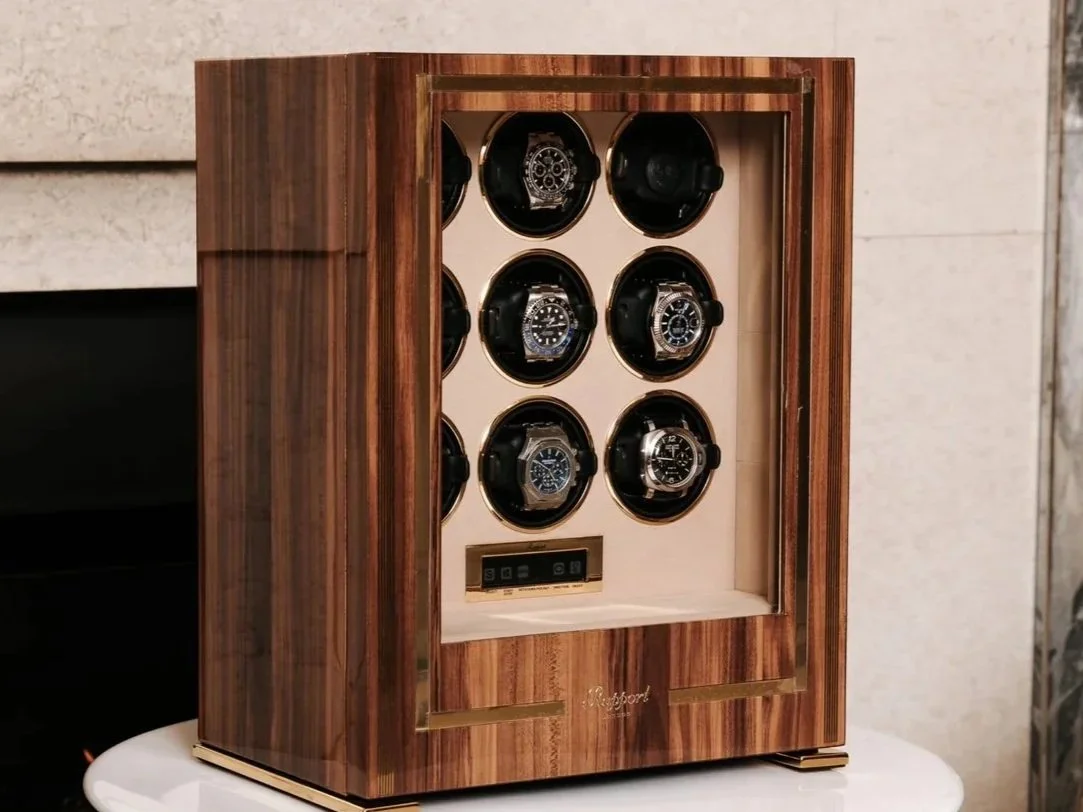
Beyond these two cases, it becomes more subjective whether you need a watch winder or not. If you value not having to wind up your automatic watch when you put it on every weekend and walking out the door with the correct time and date. Sure, that works. There’s nothing wrong with that. Watches are meant to be worn after all. But does it feel like a shame to skip out on the winding and setting ritual?
The biggest myth surrounding watch winders is that they’re “necessary” for automatic watches. They’re not. Modern automatic movements are designed to stop and start without issue. Letting a watch rest is not harmful. It can even be beneficial to let it rest for a while, as that decreases wear and marginally increases the longevity of the watch between services.
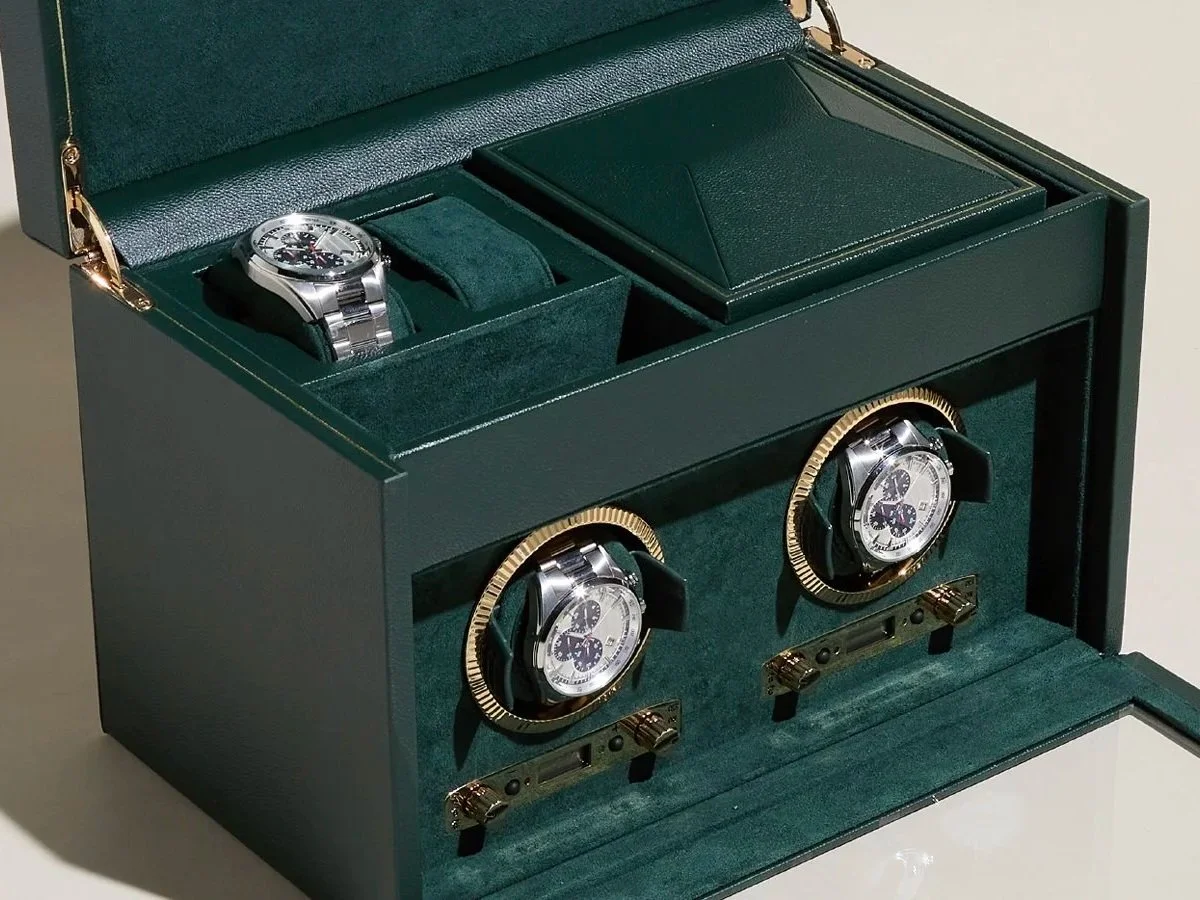
Which brings me onto my next point: unnecessary wear. While normal operation is exactly what a watch is built for, keeping a movement running 24/7 does increase total running hours. And that can be detrimental to watches that you don’t wear often: its running time will be significantly increased, while its wear time will not have changed. Some food for thought there.
Cheap winders are a real problem. They are poorly designed, poorly equipped, and just ill-suited to high-end timepieces. They have inadequately regulated motors, incorrect TPD settings, and weak shielding that can expose watches to magnetization or overwinding stress. Winding stress is particularly a problem on older movements. A bad winder is infinitely worse than no winder at all.
So, who needs a watch winder?
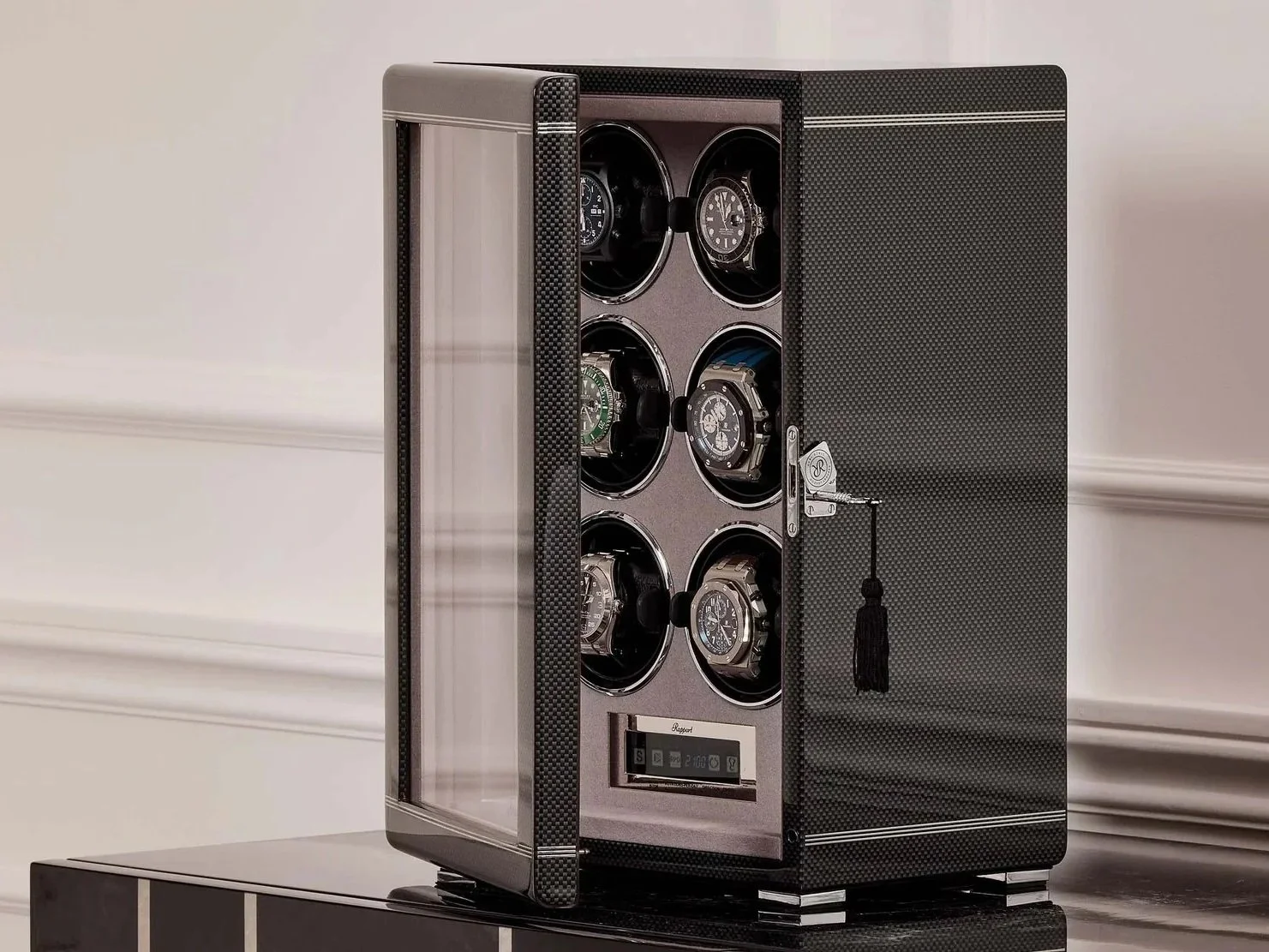
Fewer people than marketing would have you believe need a watch winder. On the flip side, that number is higher than internet purists like to admit.
For complication owners and high-rotation collectors, a winder can be a genuinely useful tool and is probably a no-brainer if you have any sort of calendar complication in your collection. For daily wearers and simple three-hand watches, it’s largely redundant and probably not worth it. Unless, you think it looks cool. And that is alright, because for many it’s somewhere in between: a functional object that doubles as a display choice.
Like most things in watches, there is not a black-and-white answer as to whether you need one or should have one. It’s about understanding your collection, your habits, and your priorities. If you like how it looks, get one—just make sure you get a good one. If you have a perpetual calendar, by all means get one if it makes your life easier, but there is no obligation. If you use a watch winder thoughtfully, it’s a convenience. But if you buy one blindly, it’s just expensive furniture that happens to spin.